
Introduction
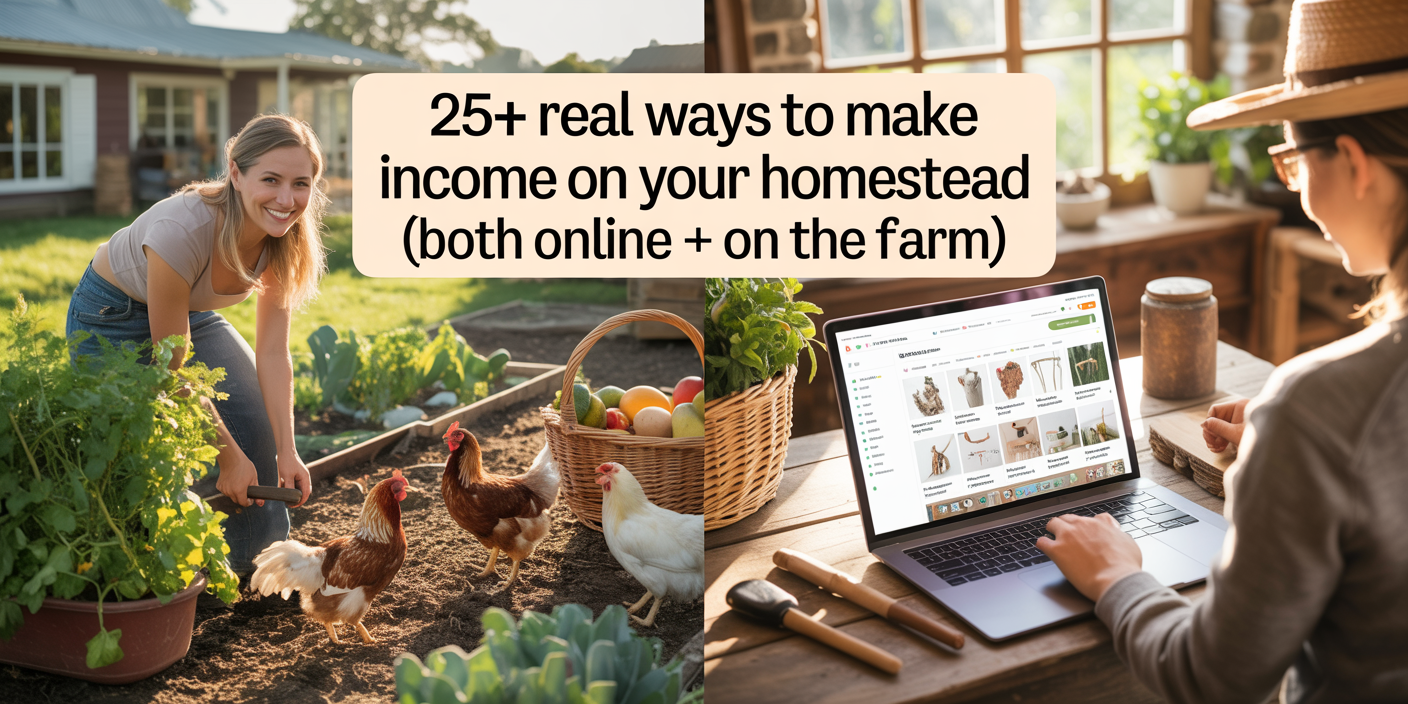
Most homesteaders dream of earning extra income from the land they love—but don’t always know where to start. The good news? You don’t need a huge farm (or even years of experience) to turn your homestead into a profitable, sustainable income source.
This post breaks down the TWO main ways to earn:
- On-farm income
- Off-farm digital income through content creation, affiliate marketing, and sponsorships
By the end, you’ll know exactly which income streams fit your lifestyle, skills, and long-term goals.
1. On-Farm Income Ideas
Homesteads are naturally set up for income opportunities because nearly everything you produce, grow, or raise has value. Whether you have one acre or fifty, you can turn your daily homestead tasks into real profit. Below, each category is expanded to explain why it’s a strong income stream and how homesteaders typically make money from it.
A. Animals & Livestock
Animals are one of the most consistent ways to earn money because they produce something of value—eggs, milk, fiber, meat, or offspring.
- Selling eggs (chicken, duck, quail): Egg sales are a classic homestead income. Duck eggs sell at a premium for baking, and quail eggs attract specialty customers such as restaurants and health-conscious families.
- Raising meat birds: Raising Cornish hens, broilers, or turkeys is fast, efficient, and profitable. Customers love buying humanely raised, pasture-raised meat directly from a farm.
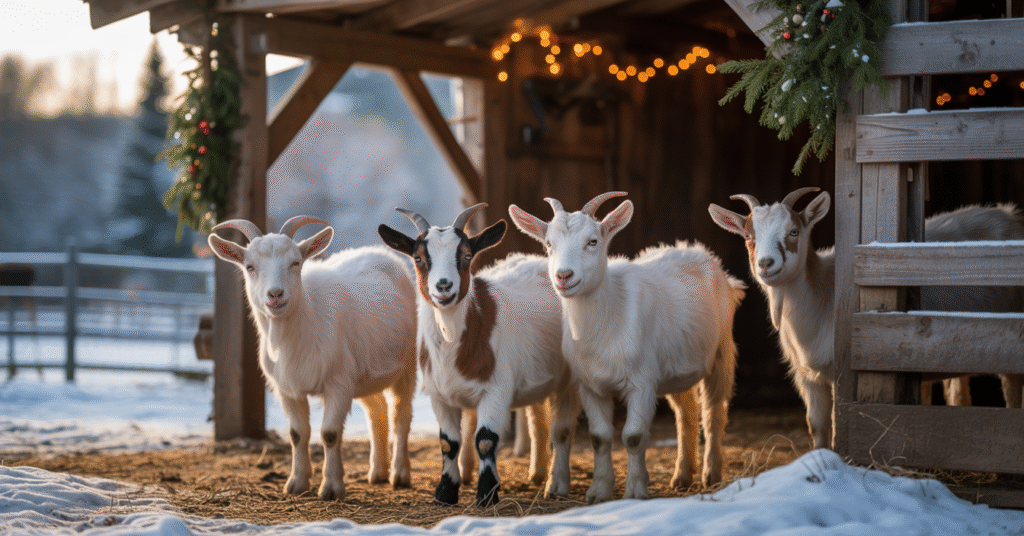
- Goat milk, cheese, and soaps: Dairy goats are small but mighty income producers. You can sell milk through herd shares, make fresh cheeses, or turn milk into profitable soaps, lotions, and skincare products.
- Selling goat kids or offering stud services: Good genetics sell quickly. Registered kids, bottle babies, or proven bucks for stud services can create strong seasonal income.
- Sheep wool, roving, and hand-dyed yarn: Fiber arts are extremely popular. Raw fleece, washed wool, and dyed skeins often sell out quickly—especially from unique breeds.
- Selling pork or butcher shares: Pigs are efficient converters of feed to meat. Many homesteaders raise pigs seasonally and sell half or whole hog shares.
- Raw milk and herd shares: Where legal, herd shares allow customers to pay for a portion of your herd in exchange for regular milk pick-ups.
B. Garden & Produce Income
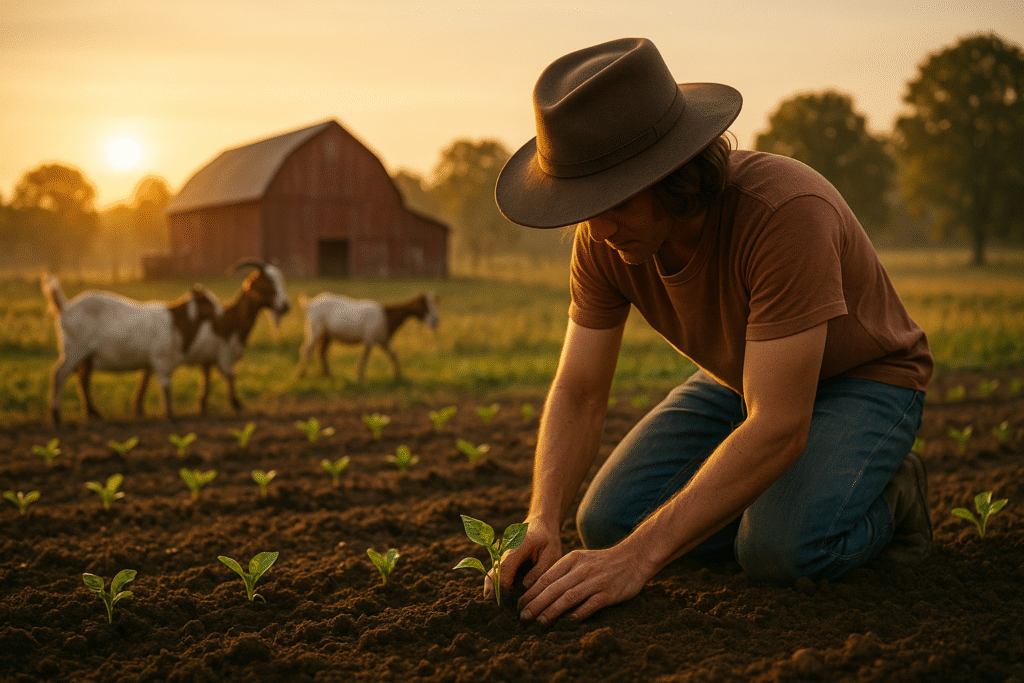
Even a small garden can produce high-profit items that customers love.
- Selling vegetables: A simple farm stand, CSA, or market booth can bring steady weekly income during growing season.
- Seedlings, plant starts, or microgreens: These are incredibly high-margin products. Many people prefer buying strong, locally grown plant starts.
- Cut flower bouquets: Flowers remain one of the most profitable crops per square foot. Bouquets are in high demand for markets, weddings, and local customers.
- Saving and selling seeds: Seed saving turns one plant into hundreds of potential seed packets—perfect for online shops, local sales, or farm stands.
C. Value-Added Products
Turning raw ingredients from your homestead into finished goods greatly increases your profit margin.
- Jams, jellies, syrups, and butters: These products transform excess fruit into premium, shelf-stable goods that sell extremely well.
- Freeze-dried foods: Freeze drying preserves food long-term and allows you to sell high-demand items like freeze-dried candy, fruit, herbs, and meals.
- Baked goods: Cottage laws vary, but when allowed, homemade bread, cookies, pastries, and pies sell out quickly—especially when labeled farm-fresh.
- Herbal salves, tinctures, and soaps: Herbal products appeal to natural-living customers and can be produced from your own herb garden.
- Candles and beeswax goods: These are inexpensive to produce and offer excellent profit margins, especially at markets and holiday events.
D. Farm Services
Offering services can be even more profitable than selling physical products.
- Goatscaping: Renting goats for brush clearing is in high demand. It’s environmentally friendly, low-cost for you, and extremely profitable.
- Goat parties or mobile petting zoos: Perfect for birthdays, school events, corporate gatherings, and libraries. Animal experiences are always popular.
- Farm tours or seasonal events: Many people want a taste of farm life. Fall festivals, baby goat snuggle days, and guided farm tours generate strong seasonal revenue.
- Homestead workshops: Teach what you know—canning, soap making, cheese making, sourdough, gardening, or livestock care.
- Renting out animals: Some customers want the benefits of animals temporarily—such as chicken tractor rentals or goats for brush control.
2. Digital Income Ideas for Homesteaders
Digital income is the perfect pairing to traditional homesteading because it works year-round, doesn’t rely on weather, and can grow while you sleep. Many homesteaders eventually discover that their online income surpasses their on-farm income simply because digital platforms have unlimited reach.
Below is an expanded breakdown of the most profitable digital income streams for homesteaders.
Facebook Monetization (Reels bonuses, in-stream ads, stars, subscriptions)
Facebook is one of the most profitable platforms right now, especially for homesteaders. Short, engaging videos about daily chores, animal chaos, gardening tips, or farm life often perform very well.
You can earn through:
- Reels bonuses (when available)
- In-stream ads on longer videos
- Stars from supporters
- Fan subscriptions
Homestead content performs exceptionally well because it is relatable, calming, educational, and often funny.
YouTube Monetization (ads, memberships, affiliates)
YouTube is a long-term income powerhouse. Once your video is live, it can continue earning for years.
You earn through:
- Traditional ad revenue
- Channel memberships
- Affiliate links in descriptions
- Sponsored integrations
Popular homesteading video topics include tutorials, problem-solving guides, garden tours, fencing projects, product reviews, and seasonal animal care.
TikTok Creator Rewards Program
TikTok is perfect for fast growth and visibility. Even brand-new creators can gain momentum with quick, simple videos.
Homesteading performs extremely well because viewers love:
- Baby animals
- Before/after projects
- Cleaning/organizing content
- Garden progress
- “Day in my life” style routines
Once enrolled in the Creator Rewards Program, TikTok pays based on video performance and watch time.
Pinterest Traffic → Blog Ad Revenue
Pinterest is not social media—it is a search engine. That makes it one of the best ways to grow long-term blog traffic.
Pins that do well include:
- Recipes
- Canning tutorials
- Chicken care guides
- Gardening hacks
- DIY homestead builds
- Cleaning/organizing tips
Each pin that sends traffic to your blog boosts your AdSense earnings and affiliate clicks.
Blogging (AdSense, affiliates, sponsored posts)
A blog creates a stable base for all your digital income. Every blog post can become an income-producing asset.
Homesteaders write successful blogs about:
- Chicken care
- Goat problems
- Gardening and soil health
- Preserving food
- Raising quail
- Homestead setups and organization
Income comes from ads, affiliate links, and sponsored articles.
Selling Digital Downloads (templates, guides, planners)
Digital products are loved by homesteaders because they require no inventory and can be sold forever.
Popular homestead digital products include:
- Garden planners
- Seed-starting charts
- Homestead budgeting sheets
- Chicken breed comparison charts
- Canning logs and fermentation journals
- Quick-start guides (quail, goats, chickens)
Digital products are simple to create and pair perfectly with your blog, YouTube, and Pinterest.
3. Affiliate Marketing on a Homestead
Affiliate marketing is one of the simplest, most beginner-friendly ways for homesteaders to earn money because it doesn’t require you to create a product or carry inventory. You get paid a commission anytime someone purchases through your custom link—usually for items you already use daily.
The key to making affiliate marketing work is genuine recommendations. Homestead audiences trust real experience, not generic product promotions.
A. Programs You Can Join
Each of these programs pairs perfectly with homestead content and offers strong earning potential.
- Amazon Associates: The easiest place to start. Nearly every homesteading tool—waterers, feeders, fencing, gardening supplies, canners—exists on Amazon. You earn a commission on anything your viewer buys within the cookie window.
- Tractor Supply: Their affiliate program is excellent for feed, minerals, tools, chicken supplies, and fencing. This is a natural fit because homesteaders shop here regularly.
- Premier 1: Beloved for poultry and livestock equipment, especially electric netting. Their products are high quality, making them easy to recommend.
- Hatcheries, gardening brands, and livestock supply stores: Many hatcheries and seed companies offer affiliate programs with generous commissions. These are perfect for spring content when people are buying chicks and seeds.
- Freeze-drying companies: Expensive products like freeze dryers offer some of the highest affiliate commissions available.
B. How to Share Affiliate Links
Sharing affiliate links should feel natural, helpful, and integrated—not forced.
- Blog posts: Tutorials like “Best Goat Care Products I Use Every Day” or “How to Set Up a Brooder” naturally include affiliate recommendations.
- YouTube descriptions: Add a resources section under every video. Many viewers click to see which products you use.
- Facebook Reels captions or comment sections: Short videos using products (feeders, garden tools, fencing) perform well, and viewers often ask, “Where did you get that?”
- Pinterest product round-ups: Pins like “Top 10 Tools Every Goat Owner Needs” drive traffic for months or even years.
- Email newsletters: Your email subscribers trust your advice. A simple section like “What I’m loving on the homestead this week” can generate steady affiliate clicks.
Why Affiliate Marketing Works So Well for Homesteaders
People entering homesteading often feel overwhelmed and rely heavily on trustworthy recommendations. They want to know:
- What fencing to buy
- Which waterers actually last
You know… things that make their life easier. Think about the questions you asked Google when you were looking for a solution.
4. Sponsors & Brand Deals
Sponsorships are one of the highest-paying digital income streams for homesteaders—and the best part is, you don’t need a huge following to get them. Brands care more about trust, engagement, and niche alignment than follower count. Homesteaders tend to have extremely loyal audiences, which makes you very valuable to brands.
Below is an expanded breakdown of how to attract sponsors and what brands typically want.
A. How to Get Sponsors
Landing sponsors is easier than most people think. Brands want to work with creators who show up consistently and speak directly to an audience that buys.
- Post consistently: Brands want to know you’re active, reliable, and producing fresh content.
- Show your unique niche: Whether it’s goats, quail, pigs, gardening, DIY projects, or homestead mom life, your specific angle helps brands know if you’re a match.
- Highlight your community’s buying power: Homesteaders spend money on fencing, seeds, tools, minerals, supplements, feeders, dehydrators, freeze dryers, and more. Brands love an audience willing to invest.
- Create searchable, evergreen content: Product demos, tutorials, and problem-solving videos remain valuable long after posting.
- Show past performance: If something you recommended sold well (like your Nofence success!), that instantly boosts your credibility.
B. What Brands Usually Pay For
Brands typically pay for content that feels authentic—not overly polished or salesy. Homestead creators thrive here because real-life, practical content performs incredibly well.
- Product demos: Showing how you actually use the product makes it relatable and trustworthy.
- Tutorials and how-to videos: Brands love videos that teach viewers a skill while integrating their product naturally.
- Before/after transformations: These work well for garden beds, fencing, barn projects, freeze dryer setups, or cleaning routines.
- Recipe videos: Canning companies, kitchen tools, spice brands, freeze-drying companies, and cookware brands love this type of content.
- Reviews and comparison videos: Honest, experience-based reviews build trust and often outperform polished brand ads.
Each of these deliverables can be used across Facebook, YouTube, TikTok, or your blog—brands especially love multi-platform packages.
C. Where to Find Deals
You don’t need to wait for brand emails. Being proactive dramatically increases how quickly you start getting paid.
- Emailing brands directly: A short pitch explaining who you are, what you create, and why your audience is a match works extremely well.
- Contact forms on brand websites: Many companies have a “collaborate” or “partner with us” page.
- Influencer platforms: Sites like Aspire, Influenster, Intellifluence, and BrandMatch can help you find relevant sponsorships.
- Brands reaching out after seeing your content: As you grow, companies will begin DMing or emailing you first.
- Showcasing products naturally in your content: Brands often sponsor creators whose videos already feature their products.
Sponsorships can easily become one of the most lucrative income streams on your homestead—especially once you build a small portfolio of successful collaborations.
5. Content Creation
Content creation is one of the most powerful ways for homesteaders to build income because it turns your everyday life—chores, projects, and even mistakes—into digital assets that earn money over time. You don’t need a fancy setup or high-end equipment; in fact, real, unpolished homestead content performs best.
Here is an expanded breakdown of each platform and how homesteaders can use them to earn.
A. Facebook
Facebook is currently one of the highest-paying platforms for short-form video content. Homesteading performs exceptionally well because it’s relatable, calming, funny, educational, and visually interesting.
You can earn through:
- Reels bonuses (when available)
- In-stream ads on longer videos
- Stars from supporters
- Subscriptions if you build a loyal community
What to post:
- Daily chores
- Goat, chicken, and farm animal chaos
- Garden updates
- Before/after projects
- Problem-solving content (fixing fences, predator-proofing, etc.)
Facebook rewards consistent posting and engaging content more than follower count. Even small pages can take off quickly.
B. YouTube
YouTube is a long-term, evergreen income stream. A single well-made video can earn money for months—or years.
Income comes from:
- Ads on your videos
- Channel memberships
- Affiliate links in the description
- Sponsorships and product placements
Best content types for homesteaders:
- Tutorials (“How to Build a Goat Shelter,” “How to Freeze Dry Eggs”)
- Full farm vlogs
- Long-form educational videos
- Product reviews
- Garden walkthroughs
- Animal care series
YouTube favors creators who provide value, whether through entertainment, education, or storytelling.
C. TikTok
TikTok is excellent for quick growth and visibility, especially for creators who love posting short, simple videos.
Why homesteaders do well:
- Cute animals = huge views
- Short cleaning, feeding, and chore clips perform well
- Garden transitions and before/afters are extremely popular
- “Oddly satisfying” farm tasks (filling feed bins, cutting fresh hay, collecting eggs)
Once you enter TikTok’s Creator Rewards Program, you earn based on watch time and video performance.
TikTok is also an incredible funnel to push traffic to your Facebook or YouTube pages, where income potential is higher.
D. Content Ideas That Always Perform Well
No matter the platform, these categories tend to go viral or consistently perform:
- Chores: Viewers love watching the daily rhythm of farm life.
- Harvest videos: Pulling carrots, collecting eggs, picking tomatoes—people LOVE these.
- Animal drama: Goats screaming, chickens misbehaving, pigs demanding food.
- Educational tutorials: Teaching simple skills builds trust and authority.
- Before/after transformations: Garden beds, barn clean-outs, fencing, DIY builds.
- Problem-solving content: Fixing broken waterers, dealing with predators, troubleshooting gardening issues.
- Start-to-finish projects: Hatching quail, building a coop, starting seeds, butchering day.
Homestead content is naturally bingeable. Your life already contains endless material—content creation simply captures and monetizes it.
6. Additional Creative Income Streams
These income ideas don’t rely on animals or crops—which makes them perfect add-ons for homesteaders who want to diversify their revenue. Many of these options require little to no up-front investment and can become steady earners alongside your on-farm and digital income streams.
Digital Planners, eBooks & Printables
Digital products are one of the easiest ways to monetize your knowledge. They require no inventory, no shipping, and can be sold repeatedly.
Popular homestead-themed digital products include:
- Garden planners
- Seed-starting schedules
- Food preservation logs
- Canning inventory sheets
- Homestead budgeting templates
- Chicken or goat care cheat sheets
Once created, these products can sell on Etsy, your website, or your email list indefinitely.
Homestead Coaching or Consulting
If you’ve gained experience in a specific area—like raising goats, gardening, quail, or food preservation—you can offer 1:1 coaching sessions.
Popular coaching topics:
- Beginning homesteading
- Garden planning
- Animal care basics
- Quail or chicken setup guidance
- DIY homestead builds
- Acreage planning and layout
Homestead coaching is especially profitable because people want personalized advice tailored to their land, goals, and location.
Renting Land (Pasture, Garden Plots, or Barn Space)
If you have extra acreage, you can rent it out for:
- Garden beds
- Animal grazing
- Beekeeping spots
- RV parking
- Off-grid camping
This is passive income, and in many cases, renters maintain their own area—making it extremely low effort.
Campsite / RV Spots (Hipcamp/Harvest Hosts)
Homestead camping is growing fast. Travelers love staying on quiet, private farm properties.
Benefits include:
- Minimal hosting required
- Potential for add-ons like farm tours or egg sales
- Great exposure for your farm brand
Photography Sessions on Your Property
If your property has scenic areas, barns, animals, wildflowers, or garden features, photographers will pay to use it.
Great for:
- Family photos
- Engagement sessions
- Maternity shoots
- Holiday minis
Your farm becomes the outdoor studio.
Goat Yoga or Animal Experiences
Goat yoga continues to be a fun, in-demand activity. But you can think beyond yoga:
- Donkey snuggles
- Baby goat playtime
- Chick hatching experiences
These activities can be offered seasonally and often sell out.
Farm-to-Table Dinners or Workshops
If you enjoy hosting, this is a high-end income option.
You can host:
- Garden-to-table dinners
- Canning classes
- Bread baking workshops
- Farm cooking demonstrations
People love learning new skills while experiencing real homestead hospitality.
Conclusion
Homesteading is full of opportunities—many of which people don’t realize can become legitimate, reliable sources of income. Whether you’re selling eggs from your backyard flock, creating content about your goats, teaching beginners how to start their first garden, or hosting goat yoga on the weekends, there is always a way to turn your lifestyle into a revenue stream.
The best part? You don’t have to choose just one. Most successful homesteaders build a combination of on-farm income, digital income, and creative services that support one another. Your animals, your projects, your land, and even your daily chores can all become part of a sustainable system that grows your income year after year.
Start with one idea, get good at it, and then layer in another. Every homestead is unique—and the income streams you build should reflect your strengths, interests, and resources.
You don’t need a massive farm or decades of experience. You just need consistency, creativity, and the willingness to share the life you’re already living.