
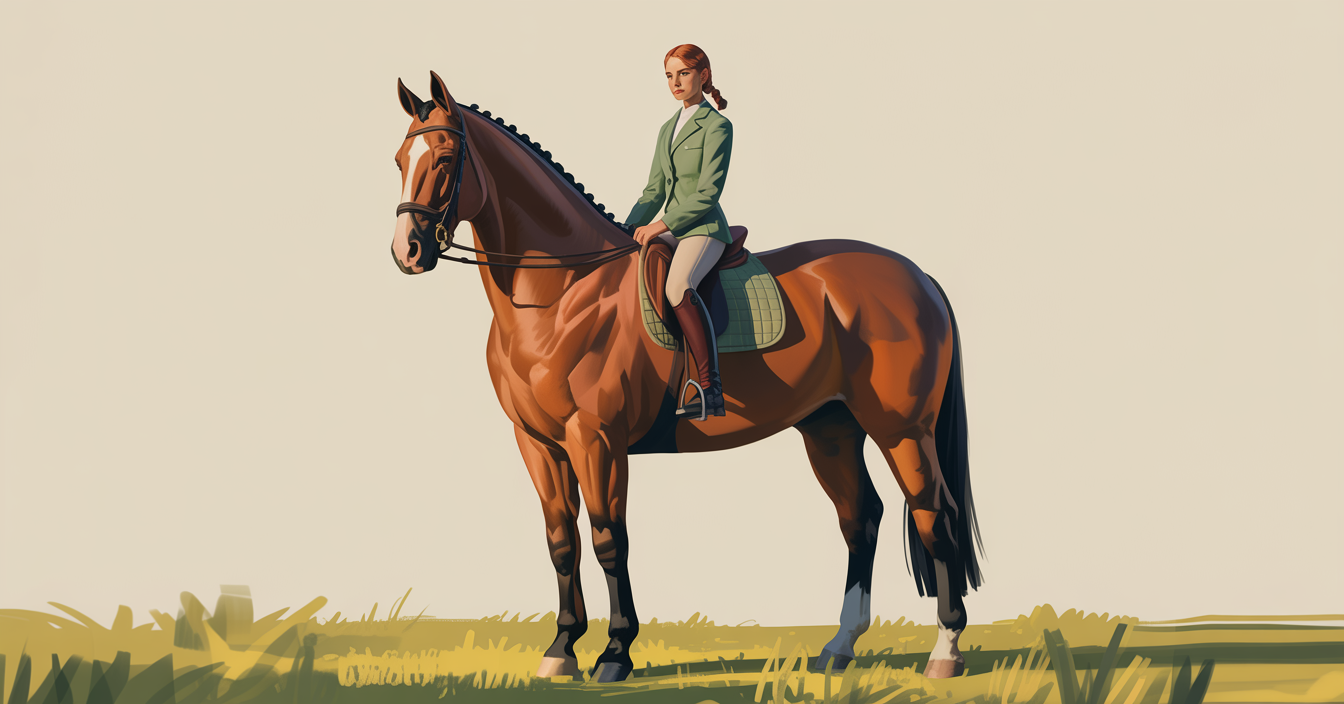
Being a responsible rider is usually framed around external things — tack fit, training programs, turnout schedules, feed, and veterinary care. Those things absolutely matter.
But there’s another part of the conversation that’s quieter, more personal, and often uncomfortable: the rider.
Our bodies, our conditioning, and how we show up physically all affect the horse we ride. Not in a shame-based way. Not in a judgmental way. But in a practical, ethical way. This post is about that side of responsible riding — and why it deserves a place in the conversation.
Responsible Riding Goes Beyond Equipment and Training
Most riders want to do right by their horses. We invest in good tack, thoughtful training, and proper care because we know those things directly impact comfort and soundness.
But horses don’t just carry saddles and bridles — they carry us.
How balanced we are, how stable we are, and how well we support our own bodies all influence how much effort a horse has to expend. Responsibility doesn’t stop at the girth or the bit. It includes the rider’s ability to carry themselves well.
Why Rider Conditioning Matters for Horse Welfare
A well-conditioned rider is easier for a horse to carry.
This isn’t about body size alone. Two riders can weigh the same and feel completely different to a horse depending on balance, strength, posture, and coordination. Conditioning affects how weight is distributed, how movement is absorbed, and how forgiving small mistakes are.
When riders improve their fitness, they aren’t just improving their own comfort — they’re reducing strain on the horse.
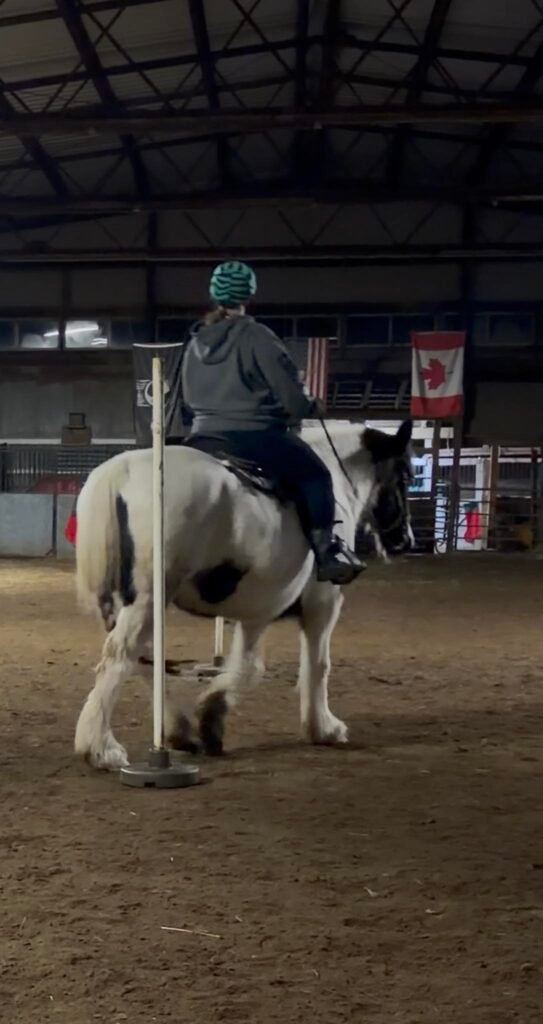
Understanding the 20% Rule (Without Shame)
The 20% rule is often misunderstood.
At its core, it’s a general guideline suggesting that a rider — including tack — should not exceed about 20% of a horse’s body weight. It isn’t a hard rule, a moral judgment, or a complete measure of horse welfare.
What it is meant to do is acknowledge something simple: weight changes the load a horse carries.
Conditioning, bone structure, muscling, saddle fit, training level, and rider balance all matter. The guideline exists to encourage thoughtful consideration — not to shame riders or reduce horsemanship to a calculator.
Being Active Is Not the Same as Being Conditioned
Many riders live physically active lives. Barn chores, hauling equipment, feeding, cleaning, and general farm work involve movement and effort.
But activity alone doesn’t always build the specific conditioning needed for riding.
Riding demands core stability, leg strength, postural control, balance, and cardiovascular endurance. These are skills that often require intentional training, not just daily movement.
Understanding this difference helps riders prepare their bodies in ways that truly support their horses.
Returning to Riding After Time Away
Coming back to riding after a long break presents unique challenges.
Muscle memory may still be there, but conditioning often isn’t. The body needs time to rebuild strength, balance, and stamina — especially when riding more consistently or working with a horse in training.
Preparing the rider is just as important as preparing the horse. Thoughtful conditioning allows both sides of the partnership to progress safely and comfortably.
Small, Sustainable Changes Matter Most
Improving rider fitness doesn’t require extremes.
Hydration, basic nutrition, consistent movement, and strength-building all add up over time. Small changes made consistently tend to have a bigger impact than dramatic, short-term efforts.
For riders, this often means:
- Drinking enough water
- Reducing reliance on highly processed foods
- Incorporating strength, mobility, and cardio work
- Allowing for recovery
These changes support energy levels, balance, and endurance — all of which translate directly to better riding.
Horse First, Ego Last
Responsible riding isn’t about perfection.
It’s about effort. Awareness. And a willingness to look honestly at the role we play in our horses’ comfort and success.
When riders prioritize conditioning and preparation, they aren’t doing it to meet an aesthetic standard — they’re doing it to show up fairly for the animal they ride.
That mindset shift — horse first, ego last — is where real responsibility lives.


Post your Comment About This Product