
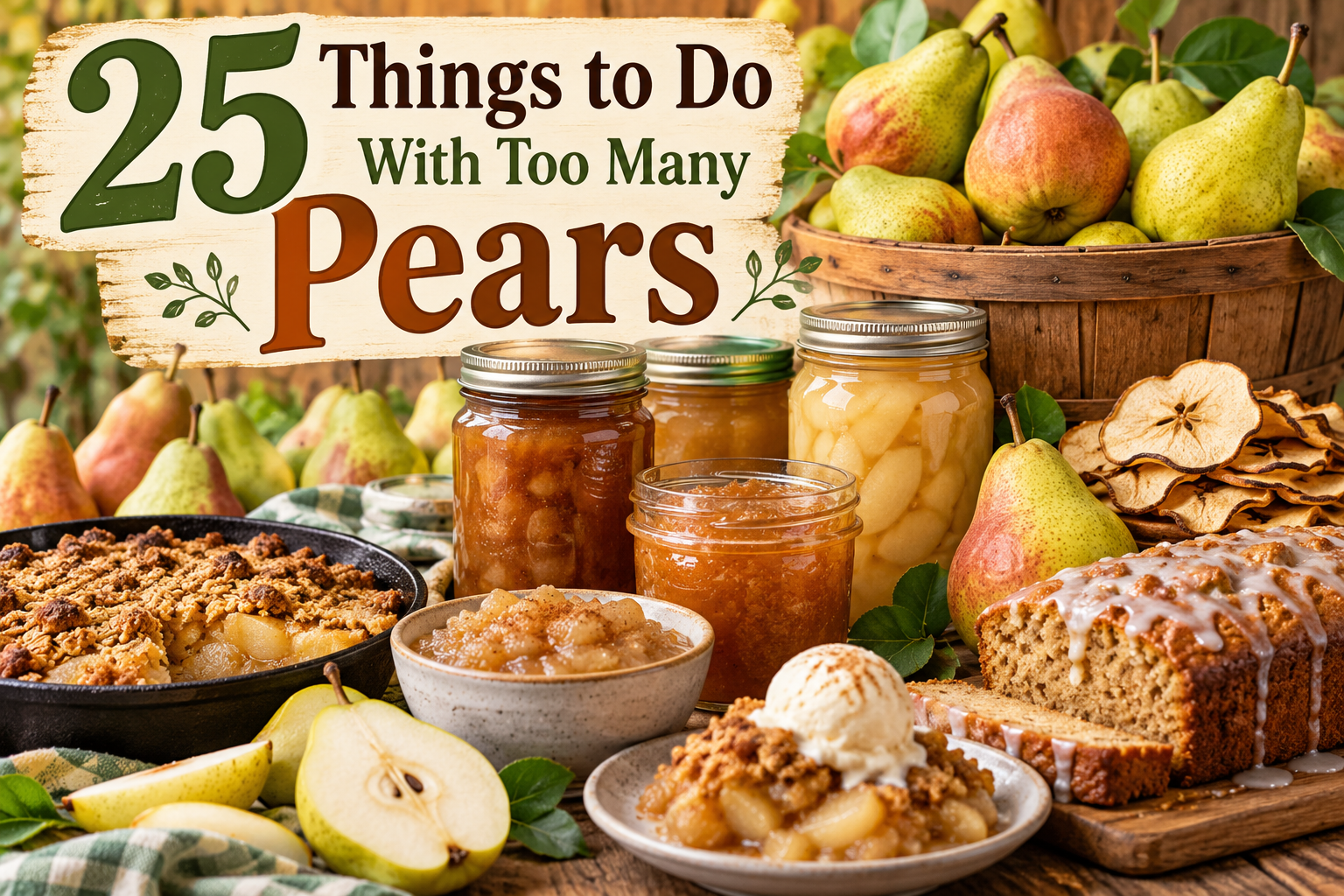
Pear season can sneak up on you. One day you are waiting for them to ripen, and the next you have a counter full of pears that all seem ready at once. Whether you picked them from your own trees, visited an orchard, or were gifted a big box, there are plenty of ways to use a pear surplus before it turns into compost.
Pears are great for fresh eating, baking, savory meals, freezing, dehydrating, and several tested home-canning recipes. Here are 25 practical things to do when you have way too many pears.
1. Make Pear Sauce
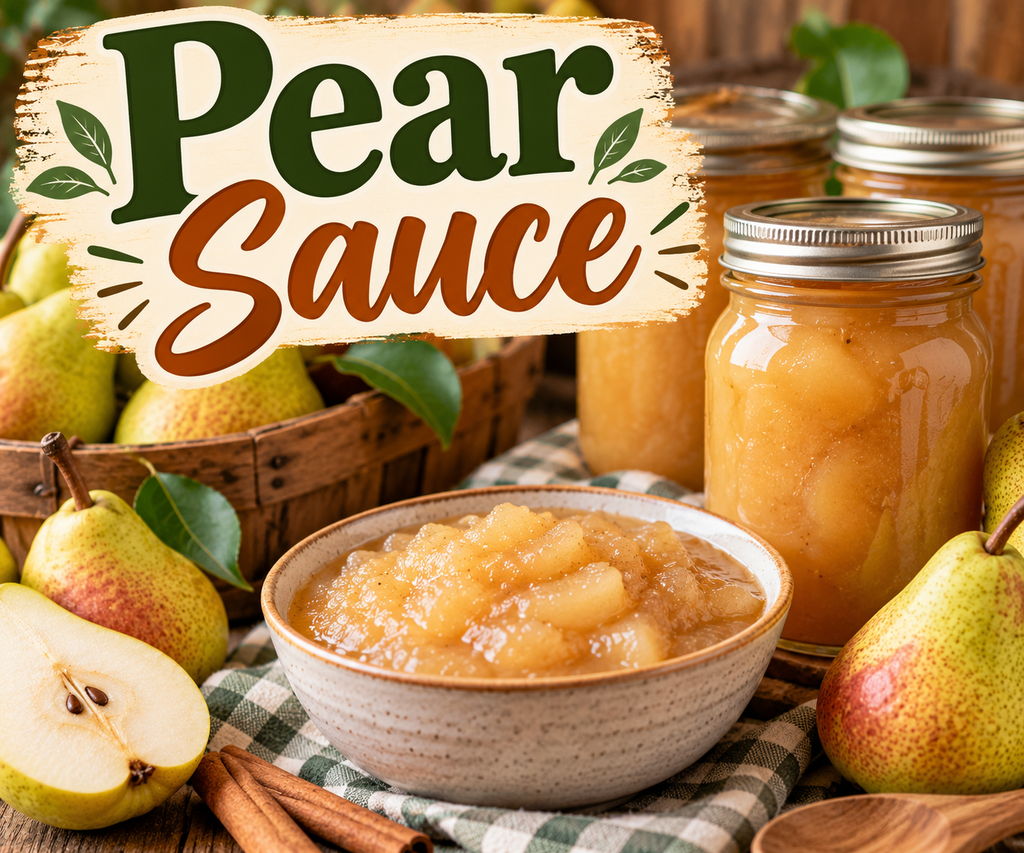
Think applesauce, but with pears. Cook ripe pears until soft and purée or mash them to the texture you like. Pear sauce is great on its own, with oatmeal, or in baking.
Check out this recipe from Two Peas and Their Pod.
2. Freeze Pear Sauce
If you make more pear sauce than you can eat quickly, freeze it in useful portions. Cool it properly and use freezer-safe containers, leaving appropriate room for expansion.
3. Can Pear Halves or Slices
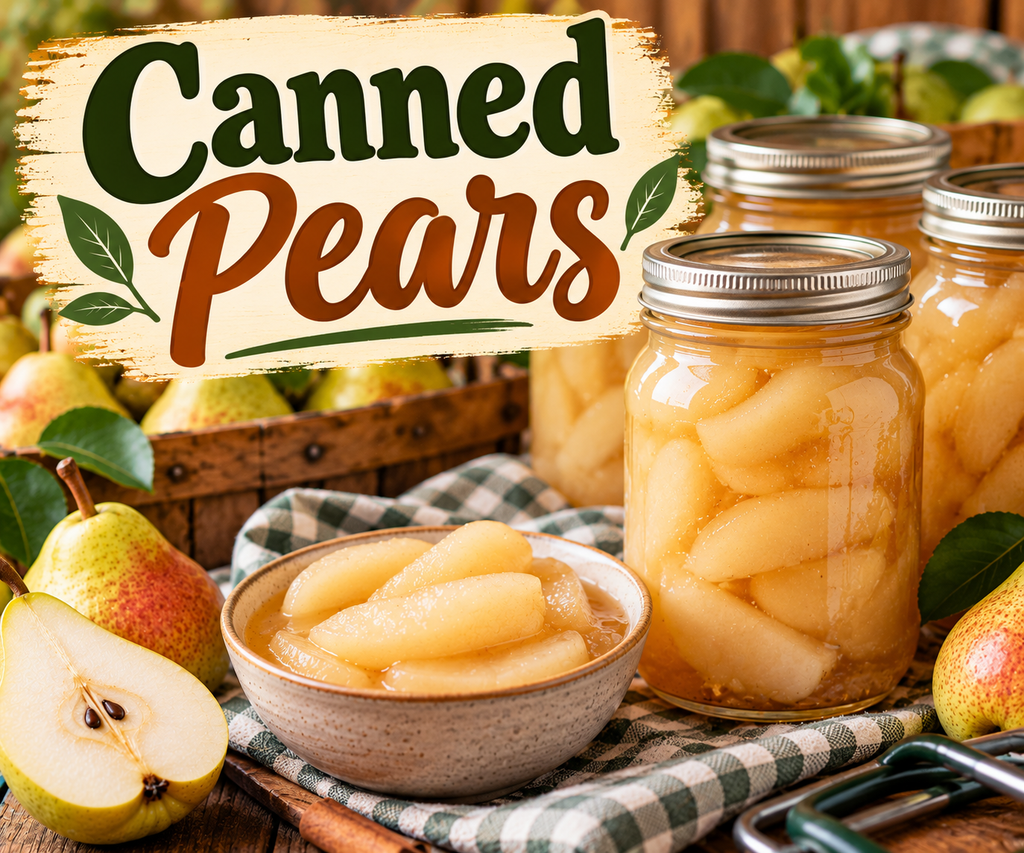
Pears are a classic home-canned fruit. If you want shelf-stable jars, use a current scientifically tested recipe for canned pears and follow the specified preparation, packing liquid, jar size, processing time, method, and altitude adjustment.
Check out this recipe from Wyse Guide.
4. Make Pear Butter
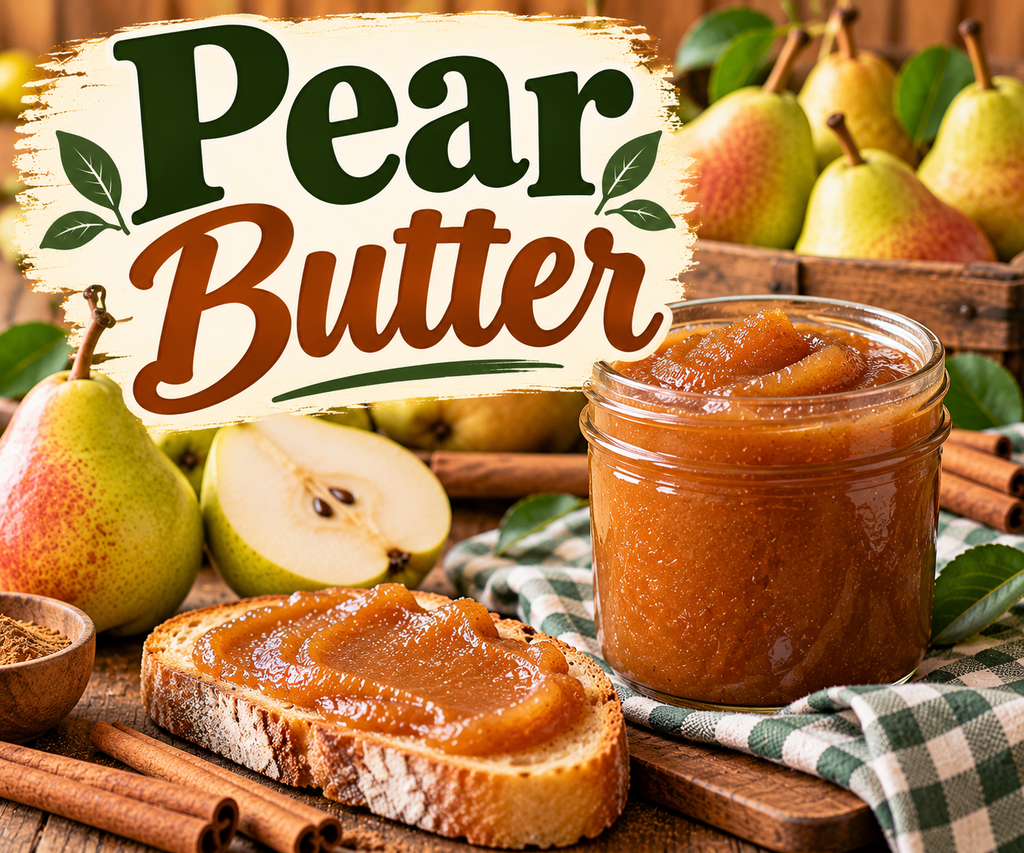
Pear butter is a rich spread for toast, biscuits, pancakes, and oatmeal. Spices such as cinnamon and ginger pair beautifully with pears. For shelf-stable jars, use a tested canning recipe rather than improvising ingredient proportions or processing times.
check out this recipe from Gimme Some Oven.
5. Bake a Pear Pie
Pears can make an excellent fall pie, either on their own or combined with apples. Choose pears that are ripe but still firm enough to hold up during baking.
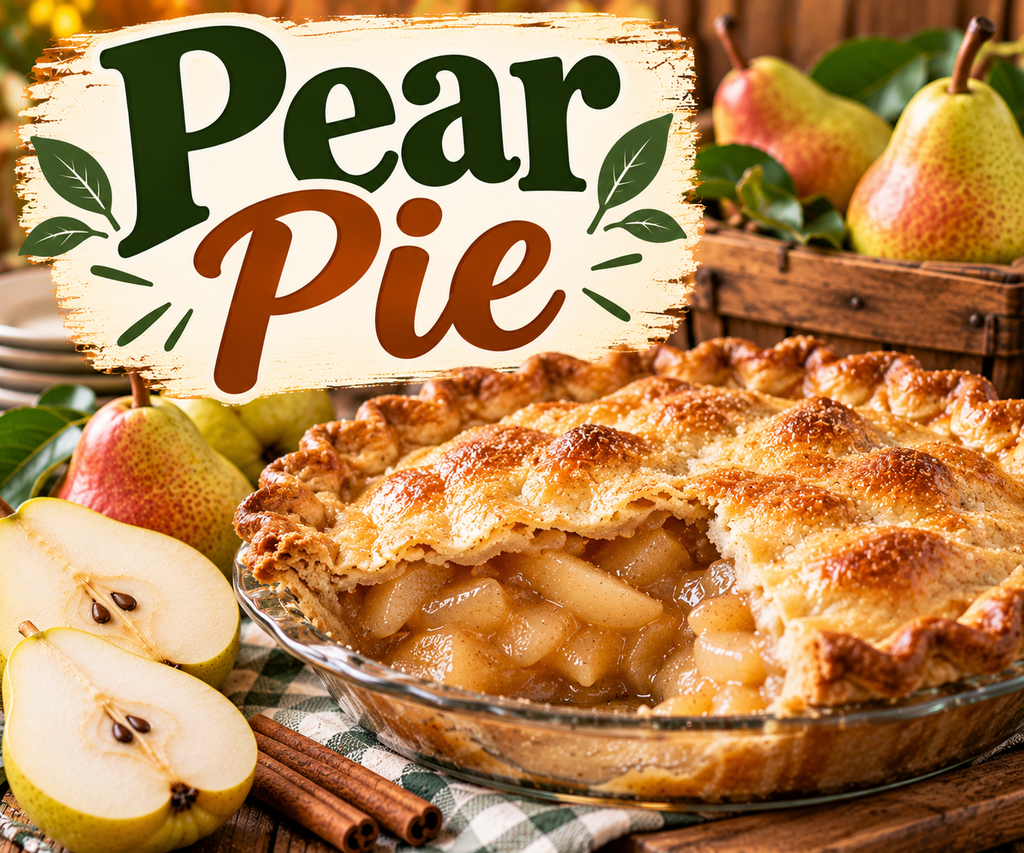
Check out this recipe from Hostess at Heart.
6. Make Pear Crisp
Pear crisp is one of the easiest desserts for fruit that needs to be used quickly. Add an oat or crumb topping and bake until the pears are tender.
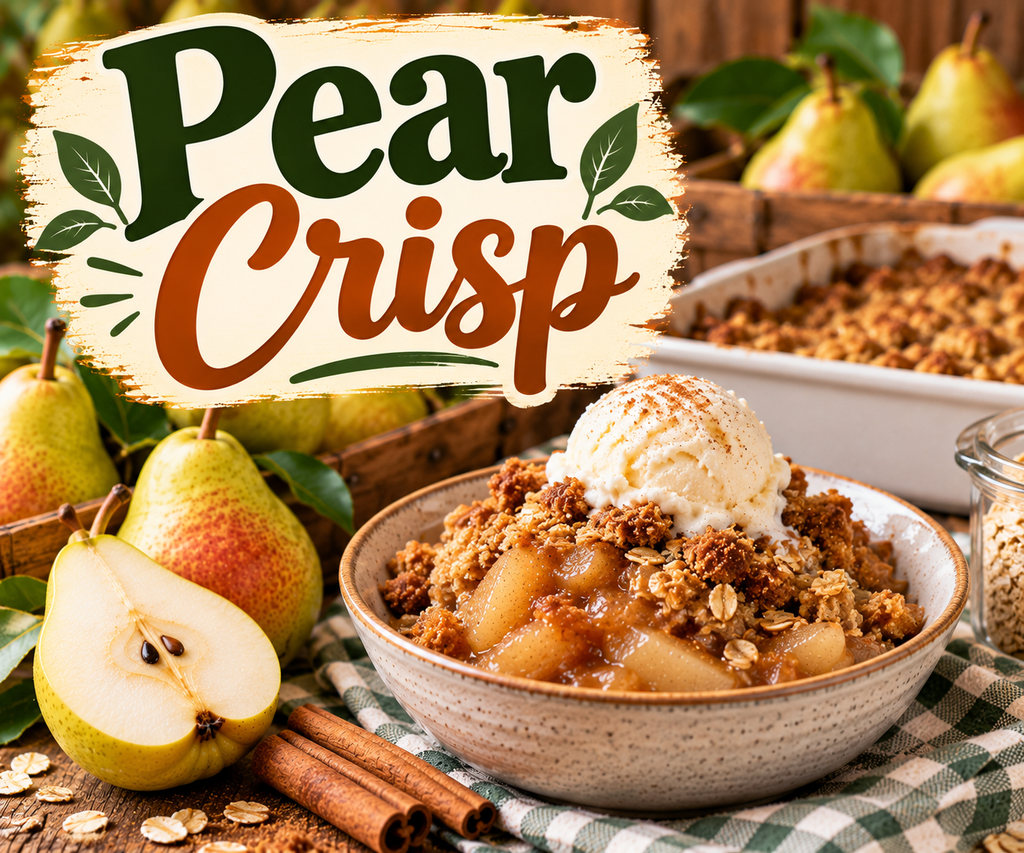
Check out this recipe from Chocolate with Grace.
7. Make Pear Cobbler
A big baking dish of pear cobbler can use several pears at once and is perfect for cool fall evenings.
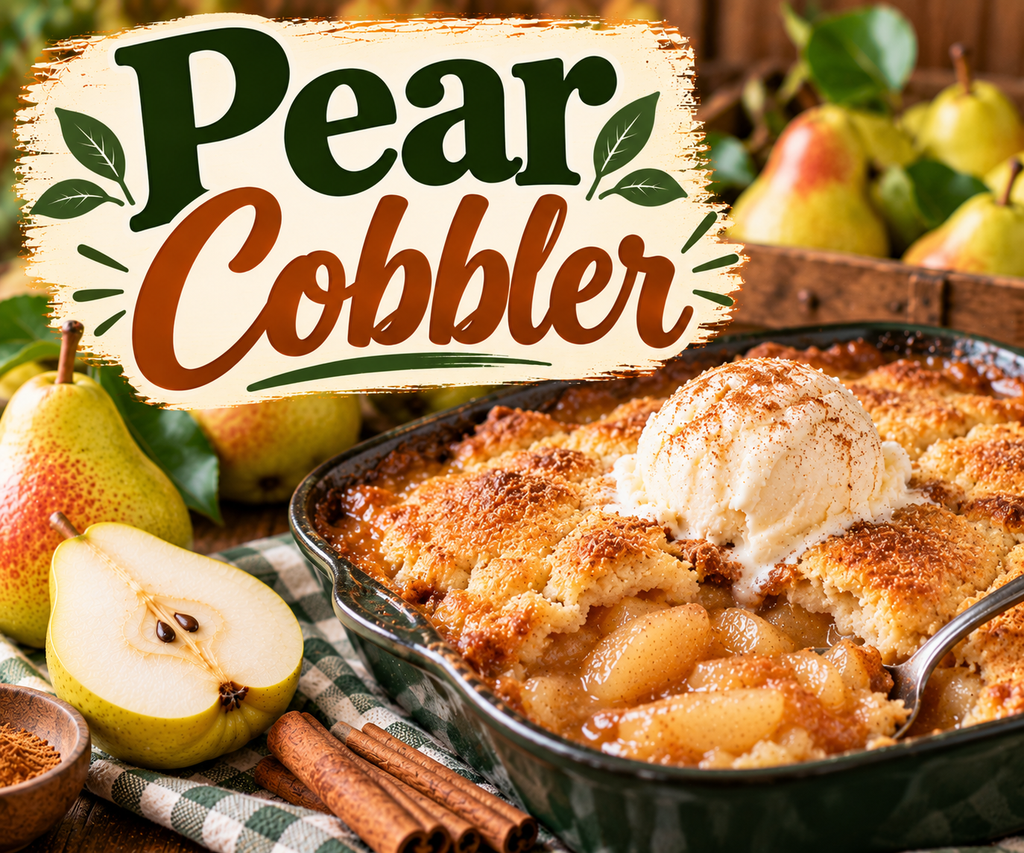
Check out this recipe from Baked Abundance.
8. Bake Pear Bread
Chopped or shredded pears add moisture and sweetness to quick breads. Bake extra loaves and freeze them for later.
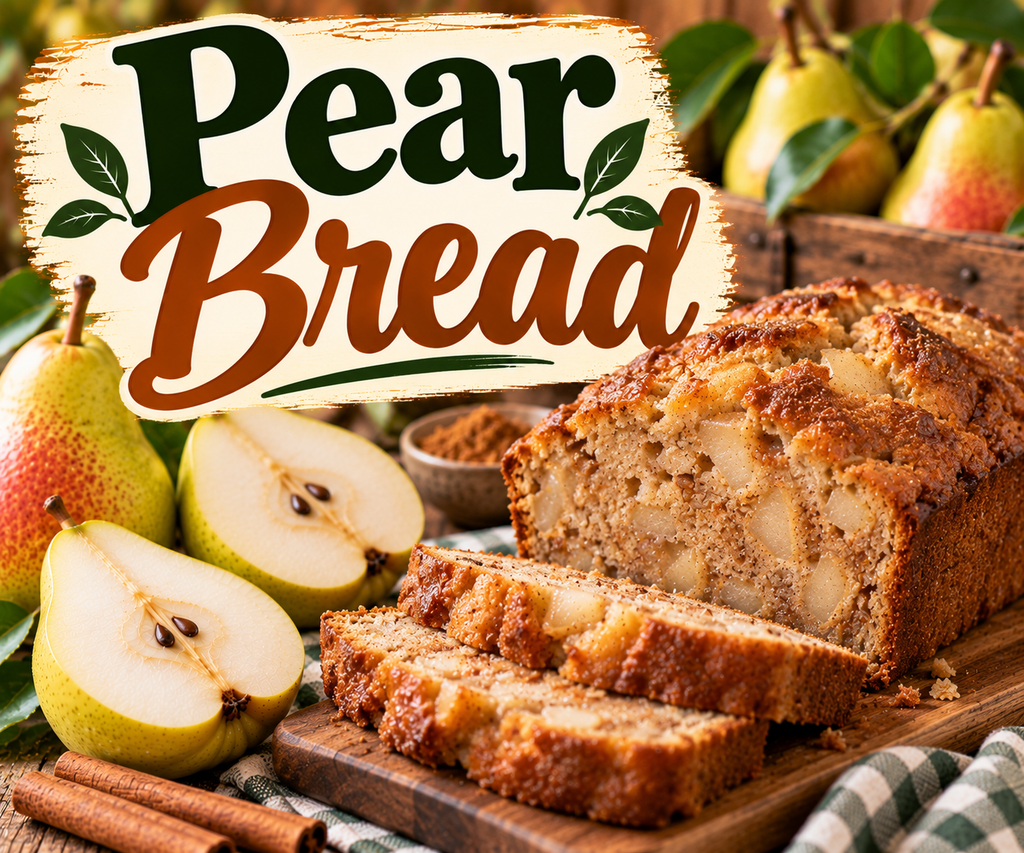
Check out this recipe from Our Zesty Life
9. Make Pear Muffins
Pear muffins are another freezer-friendly way to use ripe fruit. Warm spices, oats, and nuts all pair well with pears.
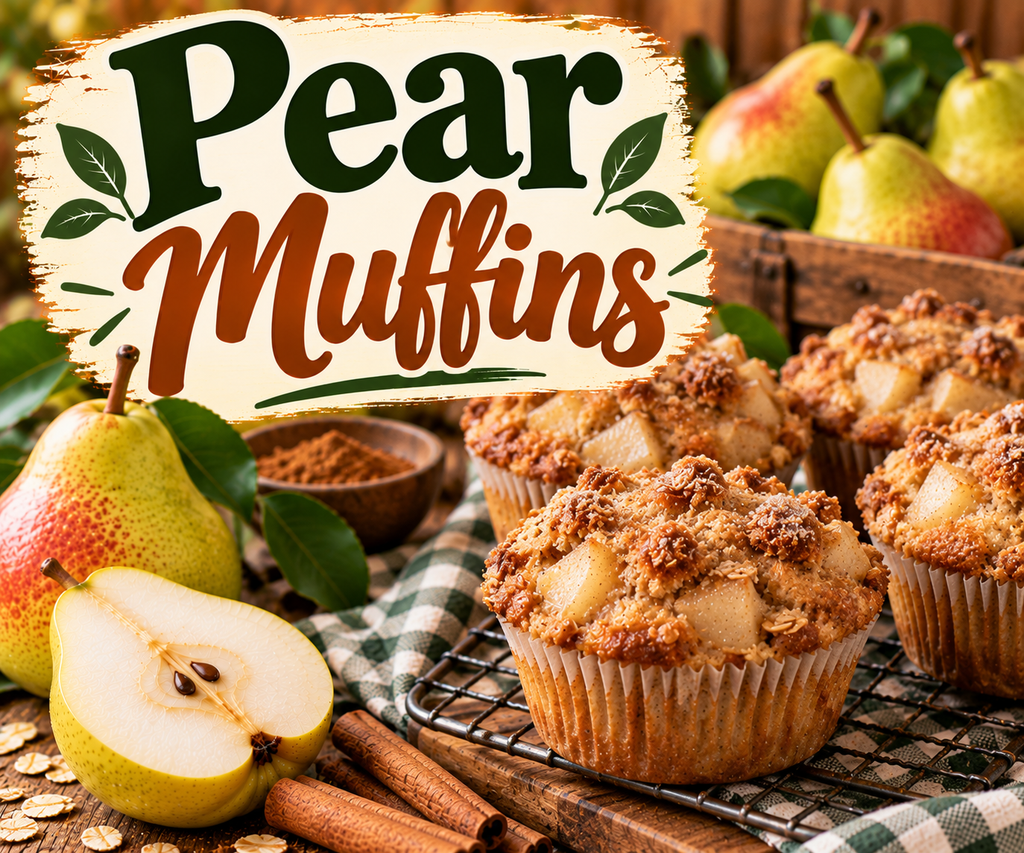
Check out this recipe from Margin Making Mom.
10. Add Pears to Oatmeal
Dice fresh pears into oatmeal or cook them first with cinnamon. This is an easy way to use a pear or two every morning when you have a lot ripening at once.
11. Make Baked Pears
Halved or whole pears can be baked for a simple dessert. Use a reliable recipe and choose fruit that is ripe but not so soft that it falls apart.
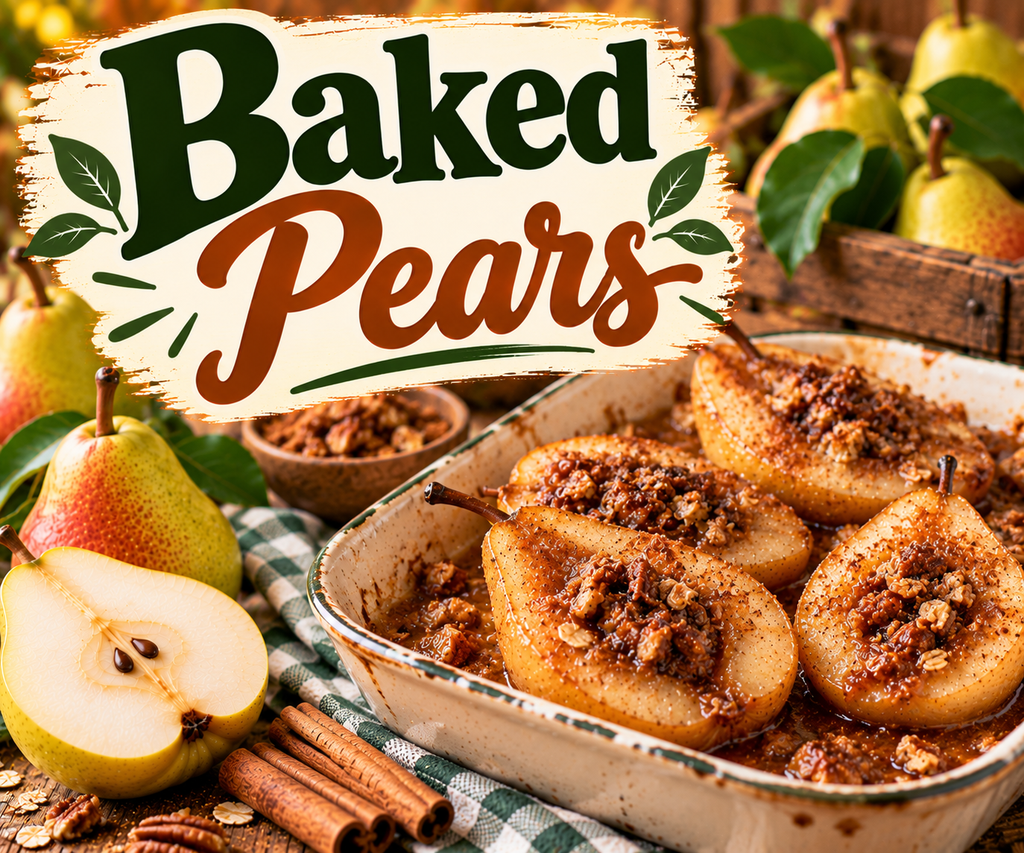
Try these Maple Baked Pears from Sally’s Baking Addiction.
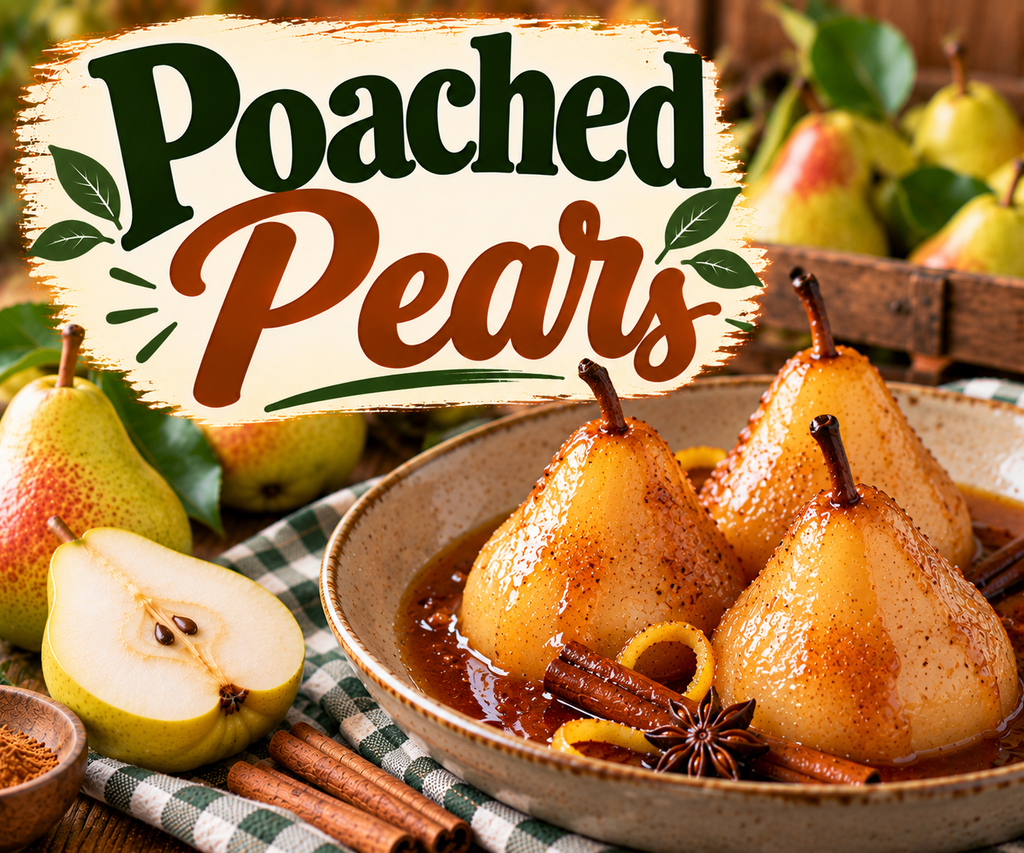
12. Poach Pears
Poached pears make a beautiful dessert without requiring complicated ingredients. They can be gently cooked in an appropriate poaching liquid with spices and served warm or chilled.
Try these wine (or tea, if you prefer!) poached pears from Bojon Gourmet.
13. Make Pear Pancakes
Add finely chopped, shredded, or cooked pear to a pear pancake recipe. Make extra pancakes and freeze them for quick breakfasts.
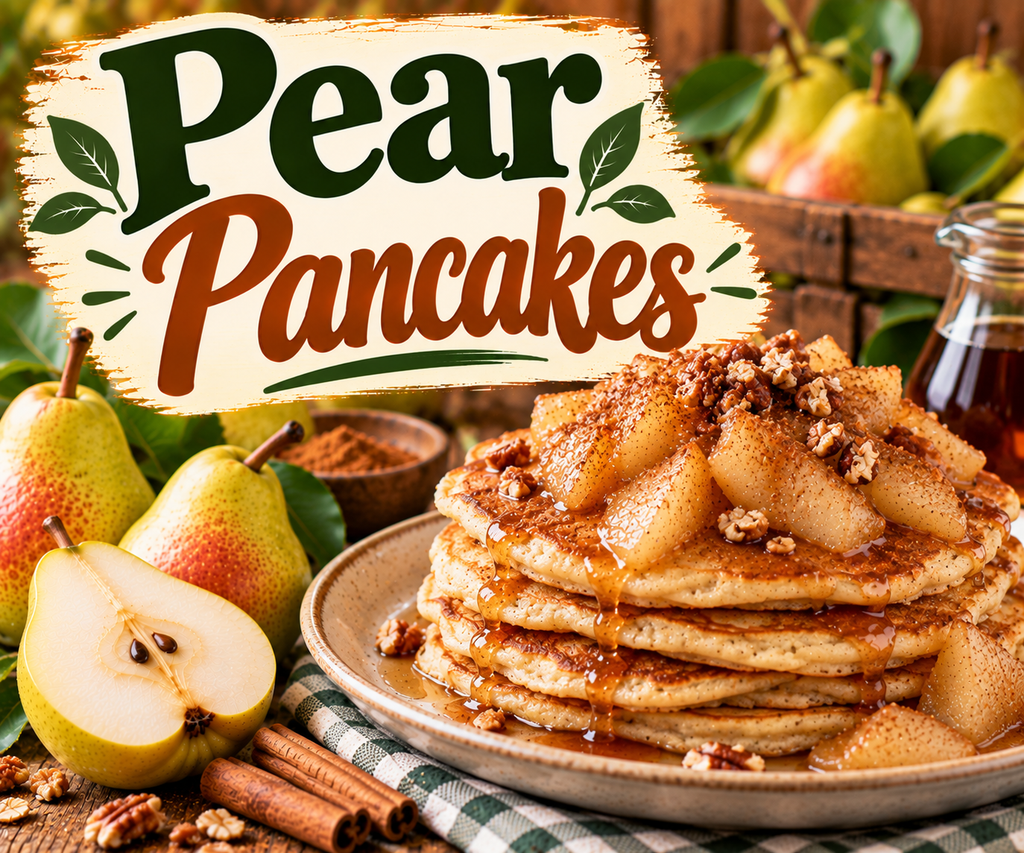
Check out these pancakes from Running to the Kitchen.
14. Make Pear Chutney
Pears work well in sweet-and-savory chutneys served alongside meats and other meals. If you want shelf-stable chutney, use a tested home-canning recipe specifically designed for that product.
Try this recipe from Savory Spin.
15. Make Pear Jam or Preserves
Pear jam (not Pearl Jam- that’s a band!) is a great option for very ripe fruit. For shelf-stable jars, choose a tested recipe and follow the required fruit, sugar, acid, pectin if called for, jar size, and processing instructions.
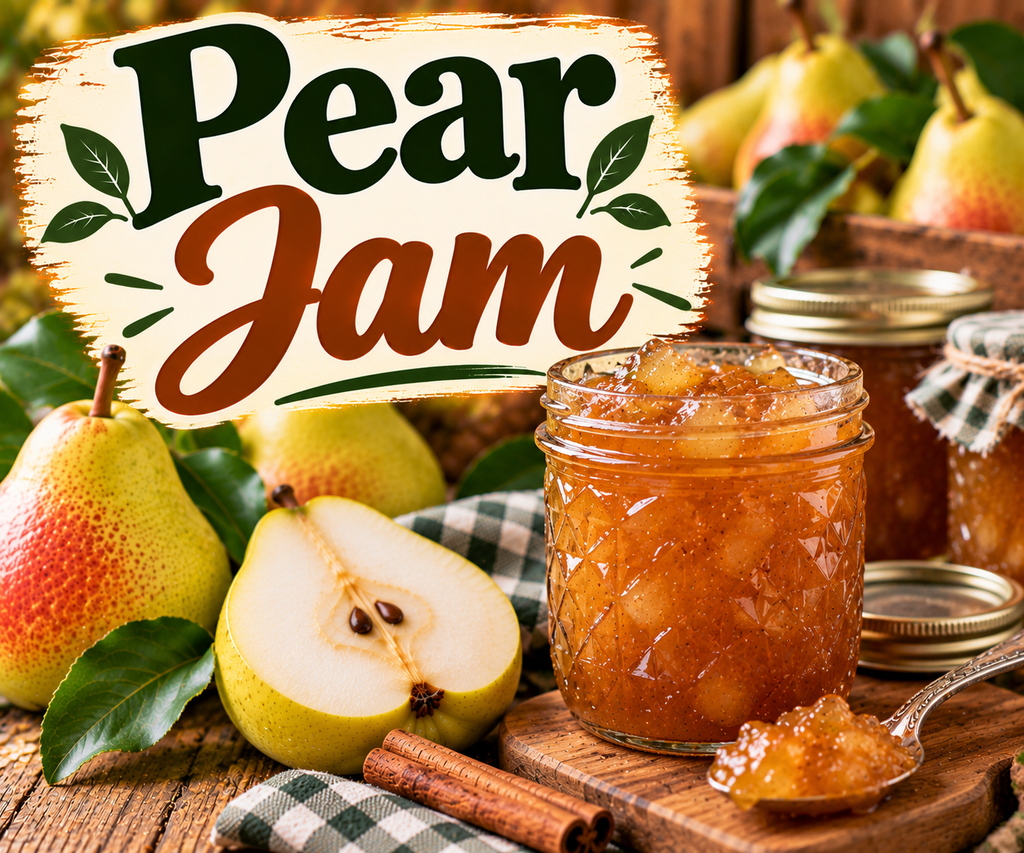
Try this recipe from Creative Canning.
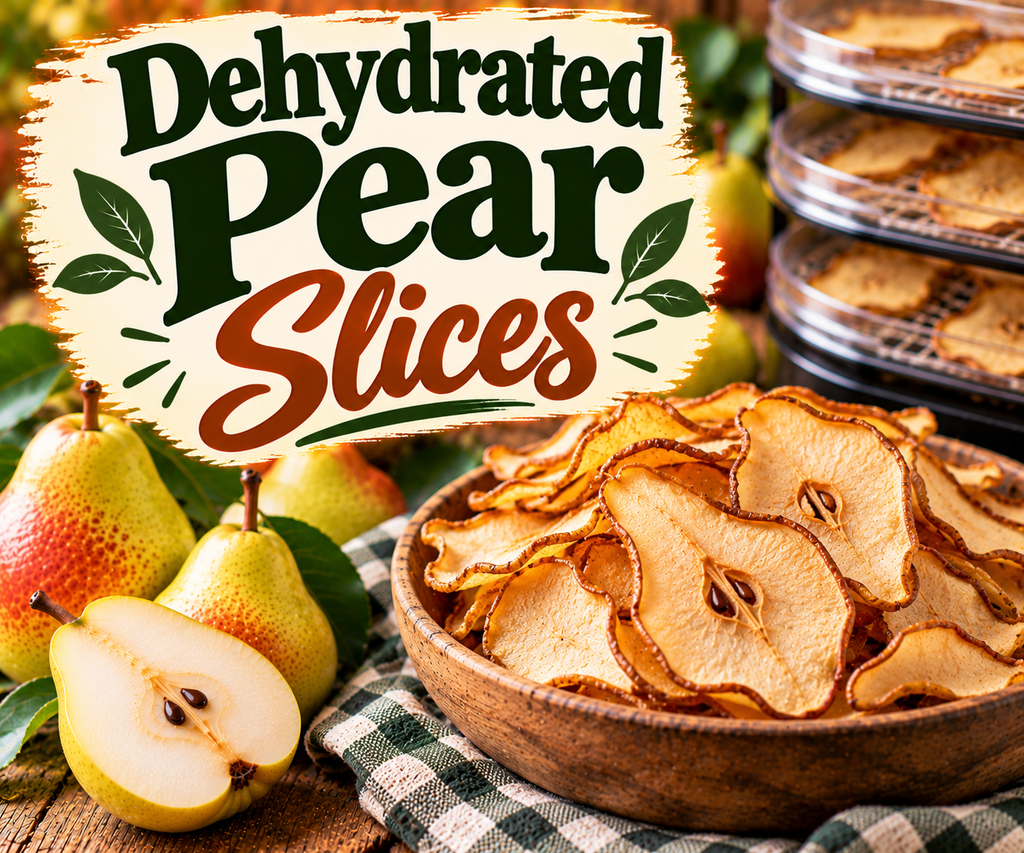
16. Dehydrate Pear Slices
Dehydrated pears are sweet, compact, and easy to store. Slice the fruit evenly and follow current dehydrating guidance for pretreatment, temperature, dryness, conditioning, and storage.
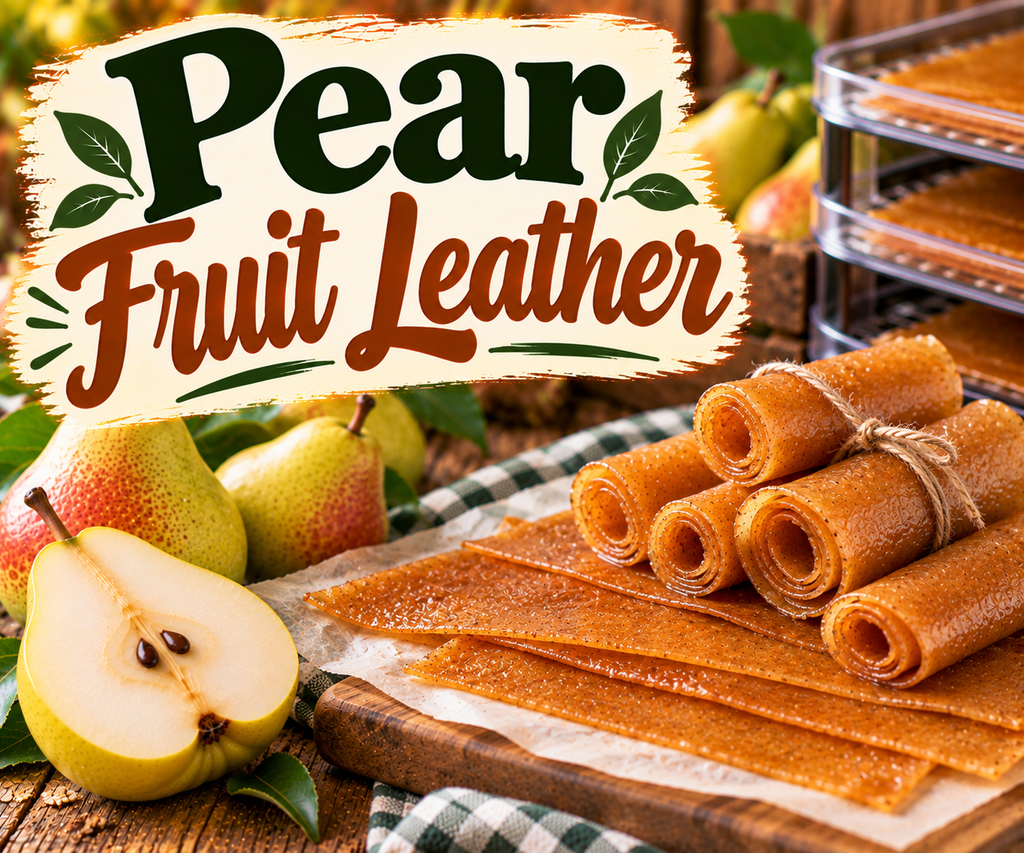
17. Make Pear Fruit Leather
Pear purée can be dried into fruit leather using a reliable dehydrating recipe. This can be especially useful for very ripe pears that are no longer ideal for slicing.
18. Freeze Pears for Later
Pears can be frozen for future cooked dishes and desserts. Because preparation and pretreatment affect browning, texture, and quality, follow current freezing guidance for the type of pear product you want to store.
19. Add Pears to Salads
Fresh sliced pears add sweetness to fall salads and pair well with greens, nuts, cheeses, and savory dressings.
20. Serve Pears With Cheese
A ripe pear and cheese make an easy snack or addition to a fall appetizer board. This is one of the simplest ways to work through fruit while it is at peak ripeness.
21. Add Pears to Savory Meals
Pears can work in savory recipes with pork, chicken, roasted vegetables, grains, and fall herbs. Their sweetness can balance salty or savory ingredients.
22. Make Pear Salsa
Fresh pear salsa can combine diced pears with peppers, onions, herbs, and other ingredients depending on the recipe. Keep fresh salsa refrigerated. For shelf-stable canned salsa, use a tested recipe specifically developed for home canning.
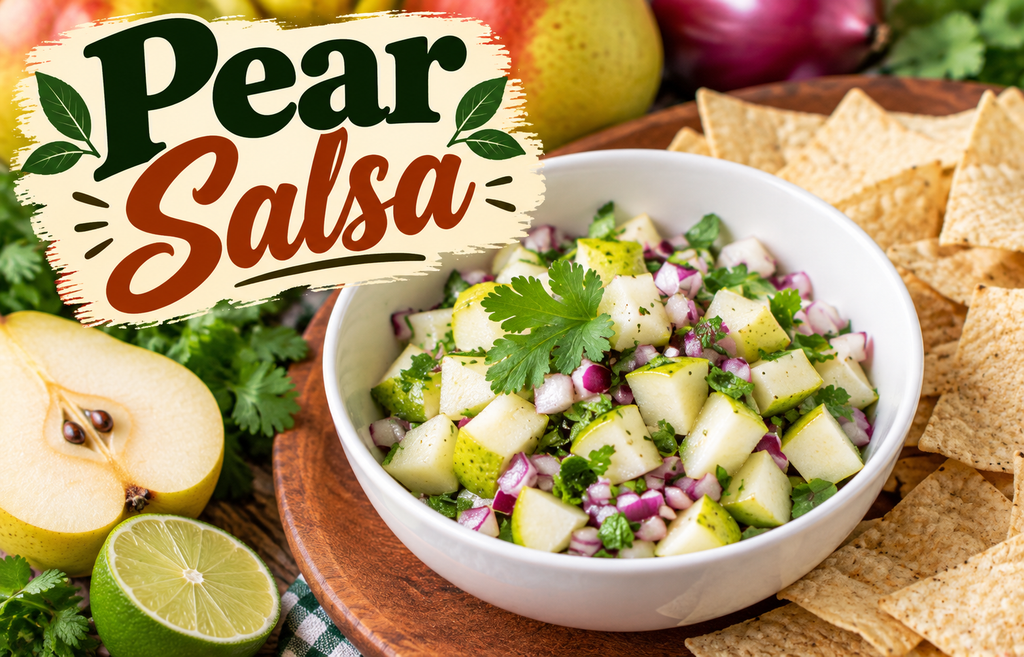
Check out this recipe for pear salsa from Kitchen Konfidence.
23. Make a Pear Smoothie
Very ripe pears are perfect for smoothies. Peel or core them as needed, remove any damaged areas, and blend with your preferred ingredients.
24. Share Your Extra Pears
If you have more sound fruit than you can reasonably process, share it before it spoils. Friends, neighbors, family members, community organizations, or food programs may accept fresh homegrown pears depending on their policies.
25. Store the Best Pears for Later
Pears have unusual ripening habits, and many varieties are harvested mature but firm and allowed to finish ripening after picking. Storage recommendations vary by variety. Keep your best undamaged fruit under appropriate conditions and check it frequently so you can use pears as they ripen.
How Do You Know When a Pear Is Ripe?
For many common pear varieties, gently checking the neck near the stem is more useful than squeezing the widest part of the fruit. A slight give near the neck can indicate that the pear is ready to eat. Exact harvest and ripening characteristics vary by variety, so learn what is normal for the pears you are growing or buying.
What Should You Do With Overripe Pears?
Soft pears can still be excellent for pear sauce, smoothies, breads, muffins, jams, fruit leather, and cooked desserts as long as they are sound. Discard fruit with mold, rot, fermentation, off odors, or other signs of spoilage rather than trying to salvage it.
Can You Freeze Pears?
Yes. Freezing can save a large harvest when you do not have time to process everything immediately. Use a current food-preservation guide for preparation and any recommended pretreatment, since pears can brown and soften during storage.
Can You Can Pears?
Yes. Tested home-canning recipes exist for pears and certain pear products. Use current instructions from the USDA, National Center for Home Food Preservation, or a university cooperative extension program. Follow the tested recipe’s preparation method, ingredients, jar size, processing time, processing method, and altitude adjustment.
Use the Softest Pears First
When you have a huge harvest, sort it before you start cooking. Set aside bruised or very ripe but otherwise sound pears to use immediately, keep firm undamaged pears for later ripening or appropriate storage, and discard spoiled fruit. That simple system can keep an entire box from becoming overripe at once.
Keep Building Your Fall Harvest Plan
Pears are just one crop that can pile up during harvest season. If your kitchen counters are disappearing under garden produce, check out our harvest-series guides to 25 Things to Do With Too Many Apples, 25 Things to Do With Too Many Pumpkins, 25 Things to Do With Too Many Jalapeños, 25 Things to Do With Too Much Zucchini, 25 Things to Do With Too Much Summer Squash, and 25 Things to Do With Too Many Tomatoes. You can also read our What to Do With Banana Peppers: 15 Easy Recipes.
Food-preservation recommendations can change as testing and guidance are updated. For shelf-stable canning, freezing, dehydrating, and other preservation methods, use current instructions from the USDA, National Center for Home Food Preservation, or a university cooperative extension program.


Post your Comment About This Product