
Goats are everywhere, but most of us only ever meet the same handful of familiar breeds. The backyard Nigerian dwarf, the common Boer, the meat and milk standbys are easy to spot at fairs and on small homesteads. But around the world there are dozens of lesser known and downright astonishing breeds that look, behave, and have histories that feel like they belong in another century. Some of these breeds are famous in their home ranges, others are relics left teetering on the edge of extinction. In this article I walk through 10 rare and unusual goat breeds you are unlikely to ever encounter in person, why they are special, and what has shaped their story.
The list covers ancient feral herds, long-eared milk specialists, goats with spiraling horns that could be museum pieces, and isolated island survivors that nearly disappeared forever. Each entry includes where the goat comes from, what it looks like, what farmers use it for, and any conservation or historical notes that help explain why these animals are so rare. If you are an animal lover, a breeder, or simply curious about biodiversity, this tour through some of the planet’s most unusual goats should be a delightful surprise.
1. Damascus Goat (Shami, Aleppo, Baladi)
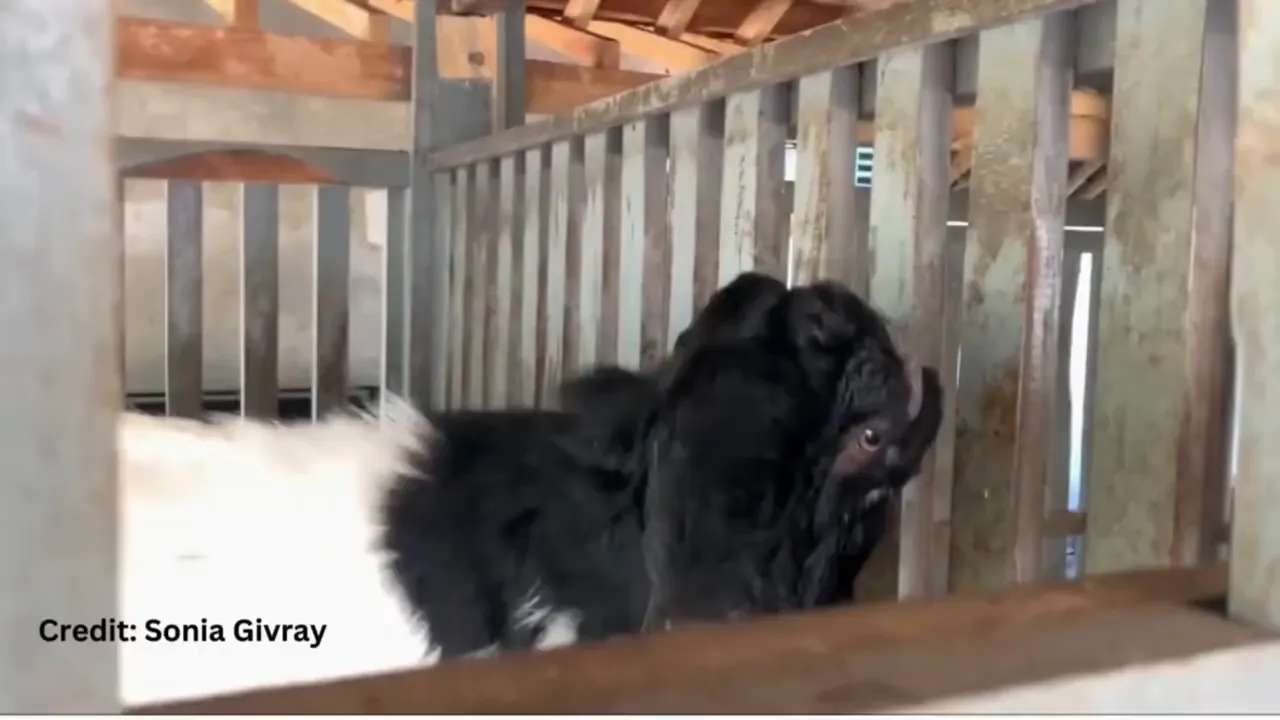
The Damascus goat, also called the Shami, Aleppo, or Baladi, is one of the most striking and controversial looking breeds in the world. Originating in the Levant region of the Middle East, especially Syria and Lebanon, the Damascus stands out for its heavy, convex facial profile and large, pendulous features. Many people describe the face as almost exaggerated, a look that has made the breed both famous and the subject of unusual beauty contests.
These are big goats. Does can weigh up to about 154 pounds, and bucks may reach roughly 264 pounds. That hefty frame means they are considered a dual purpose breed: valued for both meat and milk. Milking Damascus does can yield more than a gallon per day under good conditions, and the milk is often rich in butterfat, prized for cheese and traditional dairy products.
One of the more curious aspects of the Damascus story is how its distinctive features influenced other breeds. The Nubian goat, a common and popular dairy breed in many countries, carries a Roman nose and long, pendulous ears that trace back to Damascus ancestry. So even if you have never met a pure Damascus, you may have met their descendants.
In their native countries Damascus goats are still used in traditional farming systems, but they are not commonly found in most Western herds. Their unusual appearance and large size make them a breed many people remember once they see one.
Why the Damascus stands out
- Distinctive convex facial profile and pendulous features
- Dual purpose: meat and rich butterfat milk
- Large body size compared with many dairy breeds
2. Bilberry Goat (Bilbury Hill Herd, Ireland)
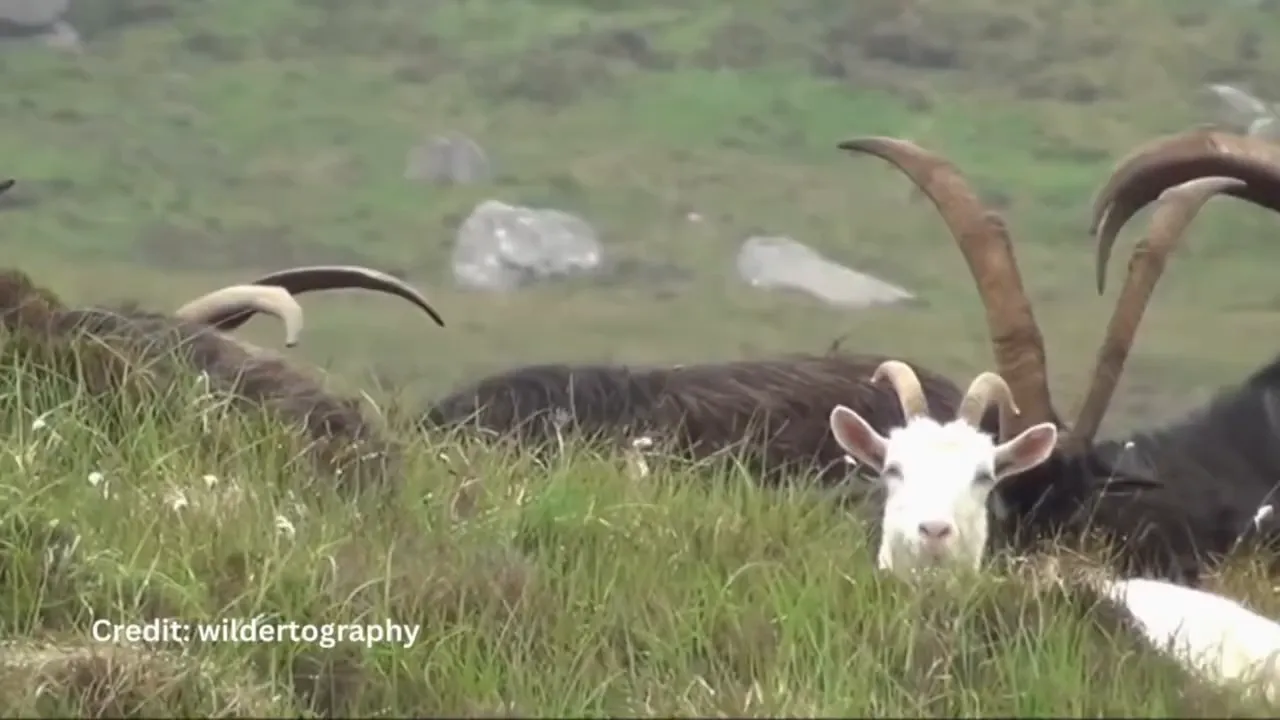
The Bilberry goat is a feral and ancient herd that has roamed Bilberry Hill near Waterford, Ireland since the early 1700s. The story goes that French Protestant refugees brought their goats to Ireland when fleeing religious persecution. Their animals established a population on the hill, where generations of animals adapted to the local environment and formed a feral herd with distinct characteristics.
The herd is now linked to a breed heritage trust that works to care for and preserve the animals. Like many feral and isolated populations, the Bilberry herd has faced severe threats to its survival. There have been periods when only a handful of animals remained, bringing the herd perilously close to extinction. In modern times theft and habitat pressures have also contributed to ups and downs in herd numbers.
Bilberry goats are interesting because they illustrate how human migration and local isolation can produce a breed with a unique identity. Feral grazing on the slopes overlooking a city means these goats evolved to cope with the local vegetation, climate, and terrain. While they are not a high-production dairy or meat breed, they have cultural and genetic value that makes conservation work important.
Conservation notes
- Ancient origins tied to early 18th century migrations
- Herd maintained by a local trust focused on heritage
- Suffered severe population declines and losses to theft
3. Beetal / Bal Goat (Pakistan and India)
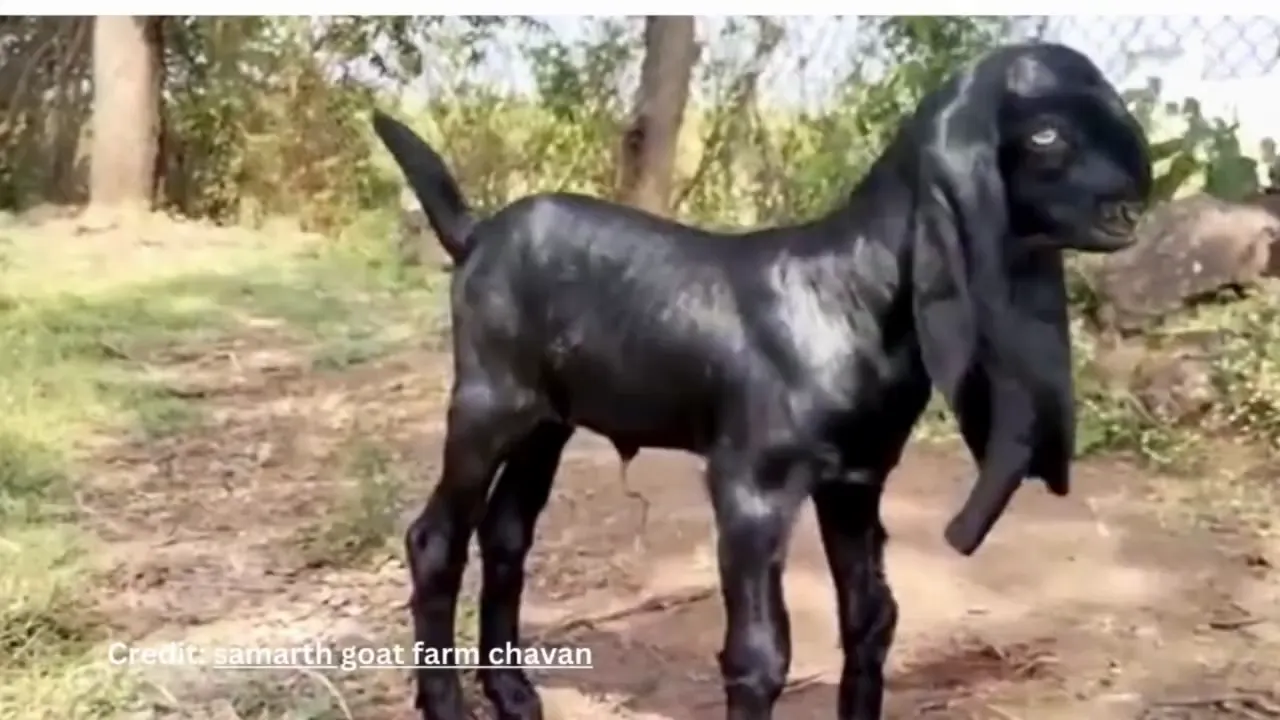
Known as Beetal or Bal in different regions, this breed is native to Pakistan and is very popular across northern India as well. These goats are farm favorites because of their gentle temperament and their utility. Beetal does can produce solid quantities of milk, often between two and four quarts a day. They are also used as meat animals, making them a reliable dual purpose option for smallholders.
Beetal goats are noted for their long, drooping ears. That trait, common among South Asian and Middle Eastern breeds, is thought to be both a breed standard and an adaptive feature in hot climates. Their ability to tolerate dry and tropical conditions is one reason the breed became so widely adopted in India and Pakistan. Their calm nature also makes them easier to handle than some of the more flighty local breeds.
Because Beetals combine milk and meat production with manageable size and temperament, they play a practical role in many rural livelihoods. They are not exotic in their home range, but they are rare outside South Asia, so most readers in the United States or Europe would unlikely see one in person unless breeding stock was imported.
Practical points for farmers
- Milk yield: 2 to 4 quarts per day under good management
- Dual purpose for meat and milk makes them versatile
- Well adapted to dry, tropical and semi-arid climates
4. Girgentana (Gent Tana) Goat from Sicily
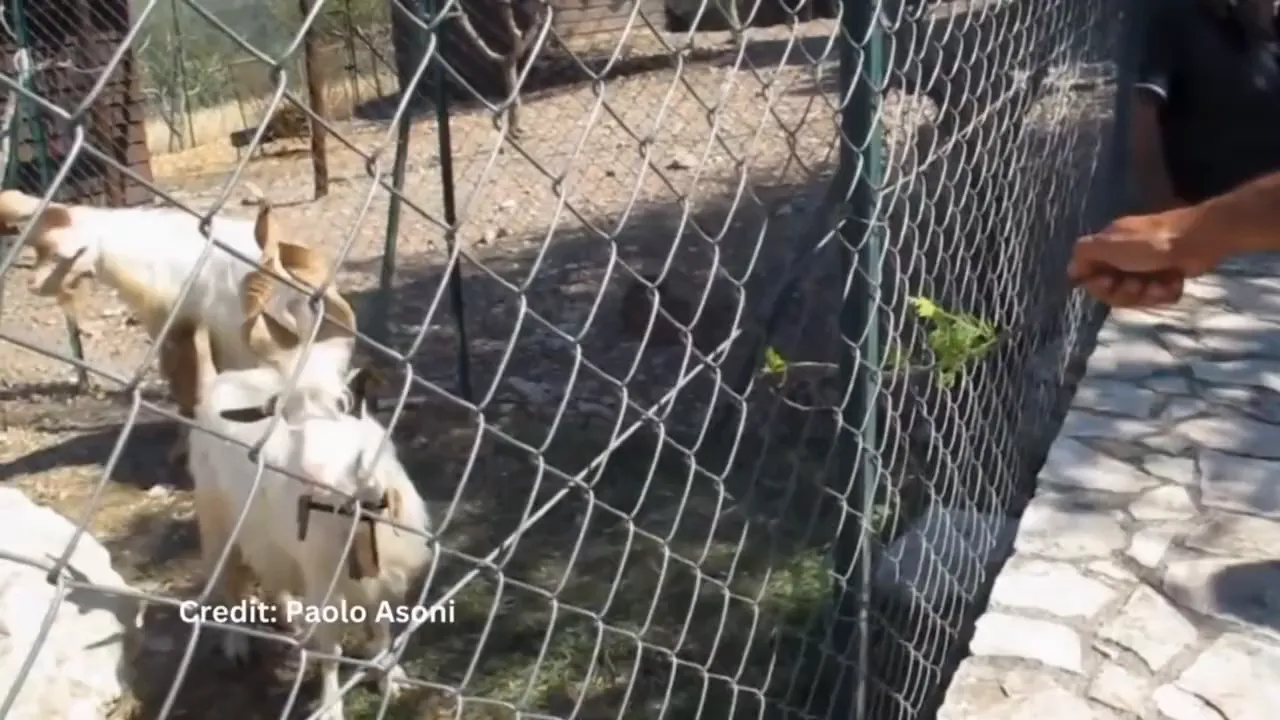
The Girgentana, sometimes written Gent Tana, is a rare and eye catching Italian breed from the Agrigento province of Sicily. The single most distinctive feature of the Girgentana is the pair of long, spiral horns that curve elegantly from the head. Those horns are a dramatic trait that makes the breed one of the most photographed goats among serious breed enthusiasts.
Historically the Girgentana played a local role in urban Italy in the early 20th century. Farmers would deliver goats door to door for fresh milk, sometimes milking in the customer’s home at the time of purchase. The milk was valued for its mild flavor and was often used to feed infants and the elderly when cow milk was less accessible.
Urbanization, changing laws, and the decline of urban farming dealt heavy blows to the breed. In the 1950s the population was still relatively strong, but by the 1980s numbers had collapsed dramatically. Today, conservation efforts have kept a remnant population alive; estimates suggest only a few hundred Girgentana remain. Their status makes them a priority for breed conservation programs that value genetic diversity and cultural importance.
Key facts
- Native to Sicily with iconic spiral horns
- Used traditionally for milk, often delivered door to door
- Population reduced to a few hundred due to urban change
5. Dera Din Panah Goat (DDP, Pakistan)
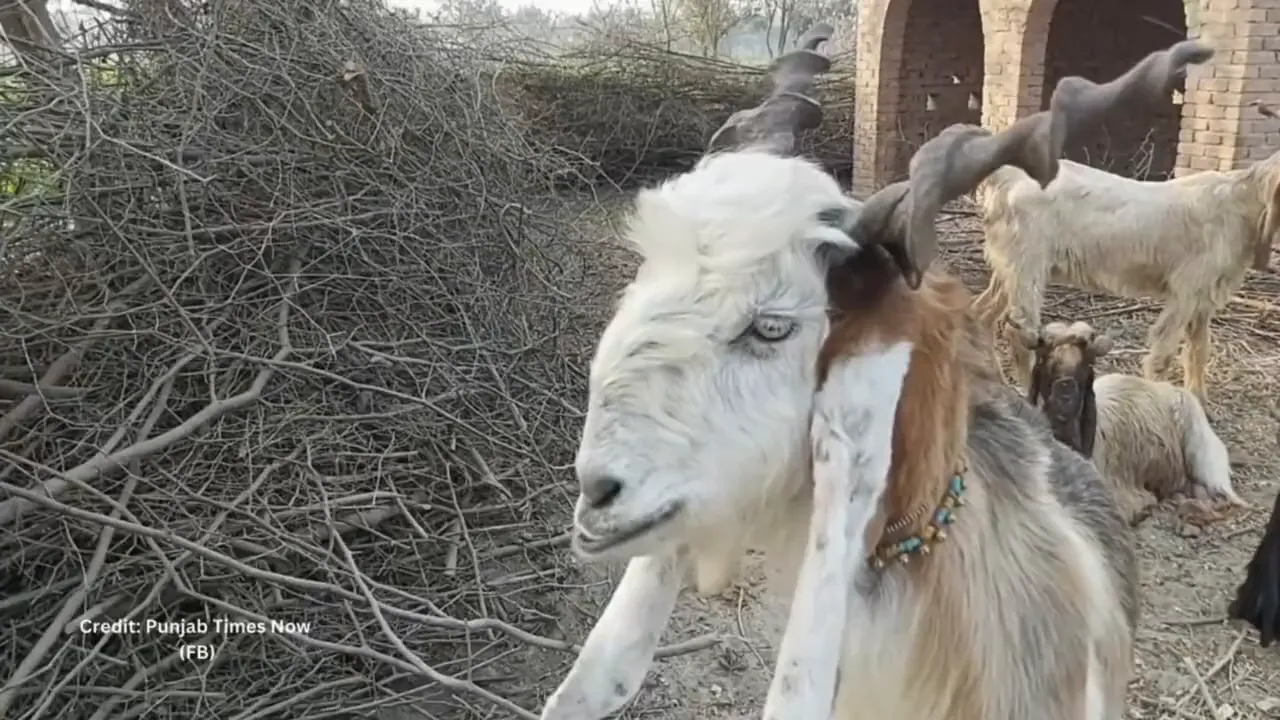
The Dera Din Panah, often abbreviated DDP, is a large and striking breed from Pakistan. These goats are typically black and are notable for their twisted, robust horns and substantial body size. They are primarily used as meat animals in their native region, where size and conformation make them desirable for local markets and ceremonial occasions.
Because they are adapted to local conditions and have been selected for meat traits over generations, Dera Din Panah goats are a good example of how breeders prioritize specific attributes based on cultural and economic needs. They are less common outside their native area and are not widely available in international breeding circles, which makes them uncommon for most hobbyists and farmers around the world.
Breeding and use
- Large, often dark colored with twisted horns
- Primarily a meat breed with local importance
- Adapted to regional husbandry and market demands
6. Khaghani / Khagan Goat (Kagan region, Northern India)
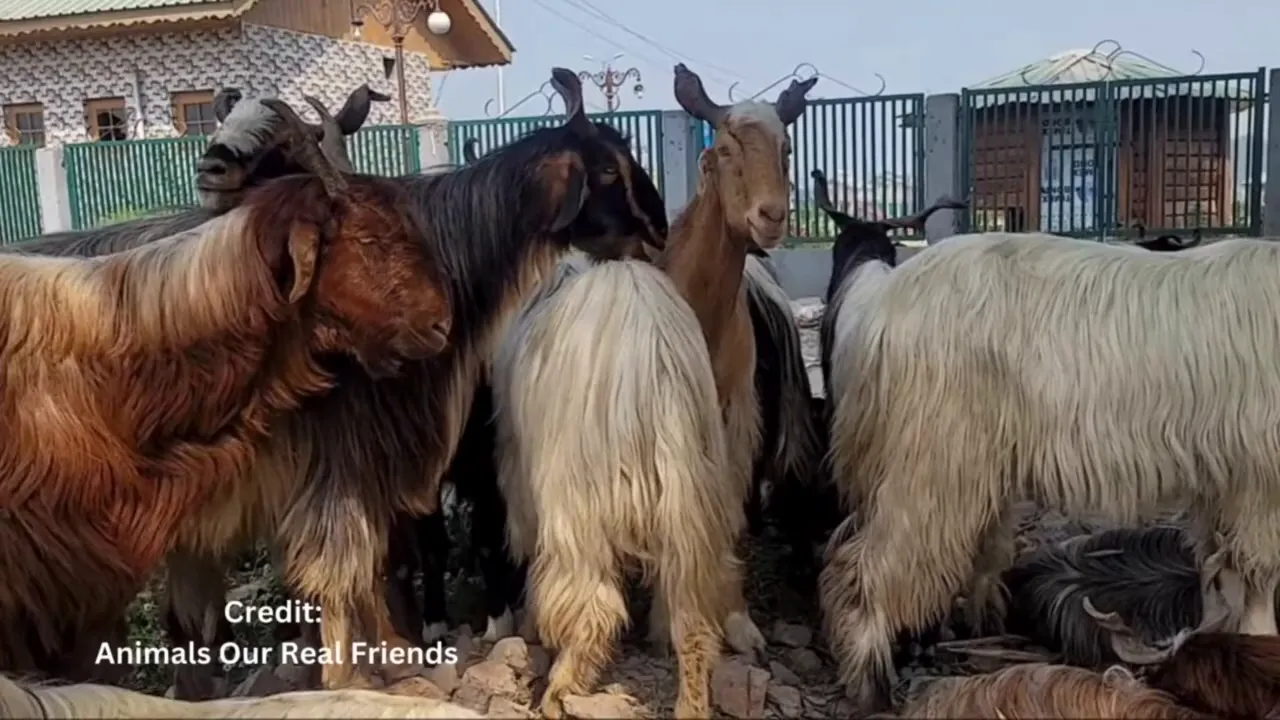
The Khaghani or Kagan goat comes from the high altitude regions of northern India, where cold temperatures and rugged terrain define the environment. These animals are the result of local breeding practices that combined traits from regional breeds, including the Beetal and the Dera Din Panah, yielding a hardy goat suited for mountain life.
Khaghani goats are dual purpose, used for milk as well as meat, and they thrive in cooler, highland climates where other lowland breeds might fail. They come in a variety of colors and possess physical adaptations for coping with steep, rocky pastures, such as sure-footedness and thick coats that provide thermal protection.
For small communities living at altitude, goats like the Khaghani are indispensable. They supply milk, meat, and often fiber, while requiring relatively little land and investment. Their hardiness also makes them a good example of how landscape drives breed characteristics and selection.
Adaptation highlights
- Well adapted to high altitude and cold temperatures
- Dual purpose: both milk and meat
- Varied colors and sturdy conformation for rugged terrain
7. Jamnapari (Jamnapari / Jimnappi) – The “Queen of Goats”
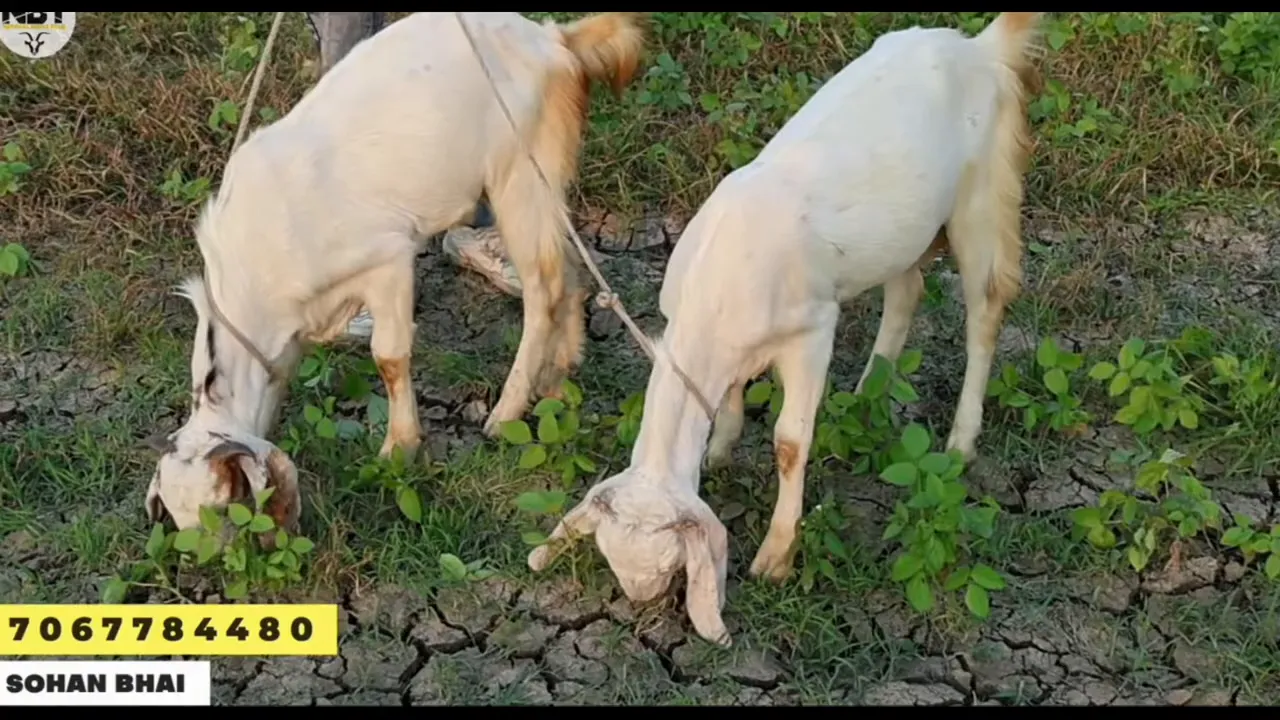
The Jamnapari, sometimes spelled Jamnapi or casually pronounced Jimnappi, is often called the queen of goats due to its regal and distinctive appearance. Native to India, Jamnapari animals are tall, elegant, and frequently white with red or tan patches. They have long ears, a unique facial shape, and small to moderate horns usually running about six inches in length.
One of the breed’s most eye catching features is the long, thick hair on the hind legs. This fleece-like growth acts as a natural shield to protect the udder from thorns and rough vegetation when the goat stands upright to browse. Their long legs and large frame make them stand out in a herd, and they are commonly used for both meat and milk in Indian farming systems where the breed is familiar and valued.
Jamnapari are particularly prized for their size and milk potential compared with many indigenous breeds. Their appearance alone often causes interest from breeders and hobbyists looking for dramatic animals, but they require management practices suitable for larger-bodied goats, including nutrition and housing that support their frame.
Practical traits
- Tall, long-legged, often white with tan patches
- Distinctive long hair on hind legs protects udder
- Used for milk and meat; celebrated in local breeding
8. Barbari Goat (India, Somalia, Pakistan)
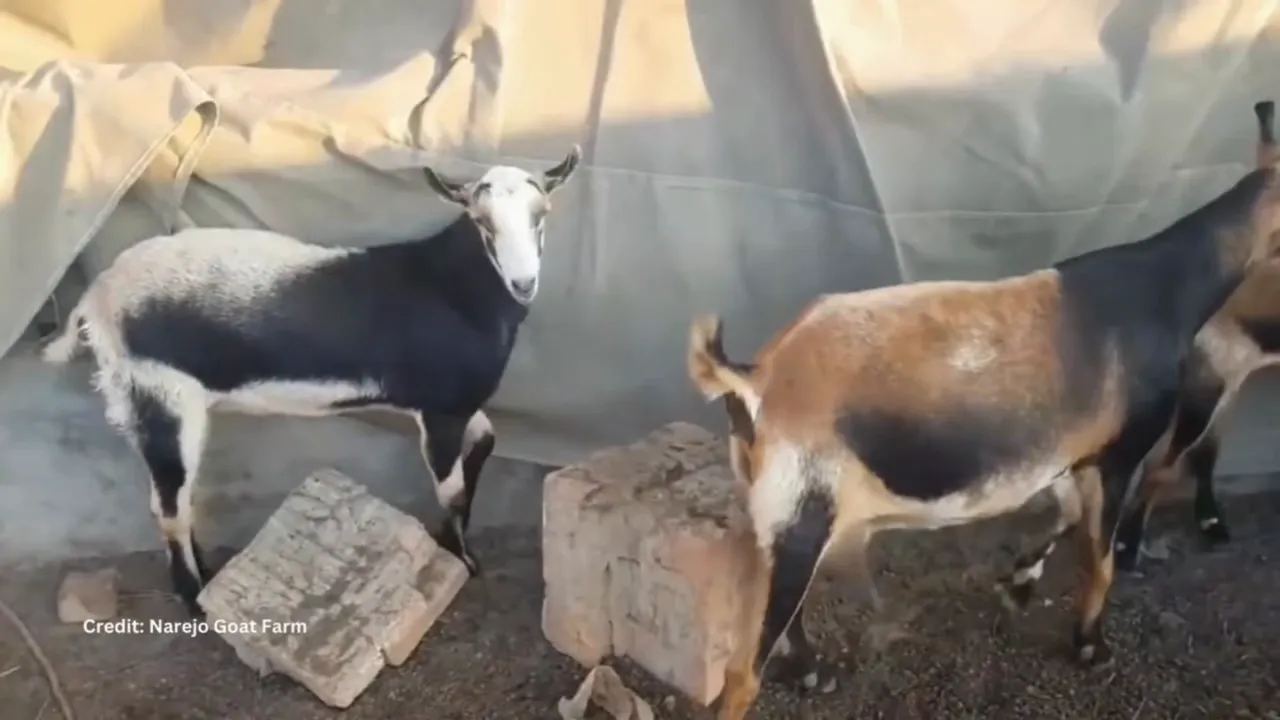
The Barbari goat is a compact, small framed breed that is commonly seen in parts of India, Pakistan, and Somalia. Their short ears and neat conformation give them a look a bit like more familiar miniature goats, such as Nigerian dwarfs, but the Barbari is a hardy, productive local breed with its own strengths.
Barbaris are often raised for meat and are known for being economical and hardy. They tend to produce twins or triplets with regularity, which is a critical trait for smallholder farmers relying on herd expansion without high input costs. For novice keepers they are sometimes recommended as a starter breed because of their tolerance for harsher conditions and ease of management.
While Barbari goats are common in their home regions, they have not been widely exported, so encountering one outside South Asia or East Africa is uncommon. Their breeding importance is tied to local economies where small ruminants are central to livelihoods and culture.
Why Barbari are preferred by smallholders
- Small frame, easy to manage and feed
- High kidding rates with frequent twins or triplets
- Used mainly for meat in local markets
9. Sahelian Goat (Sahel region, West Africa)
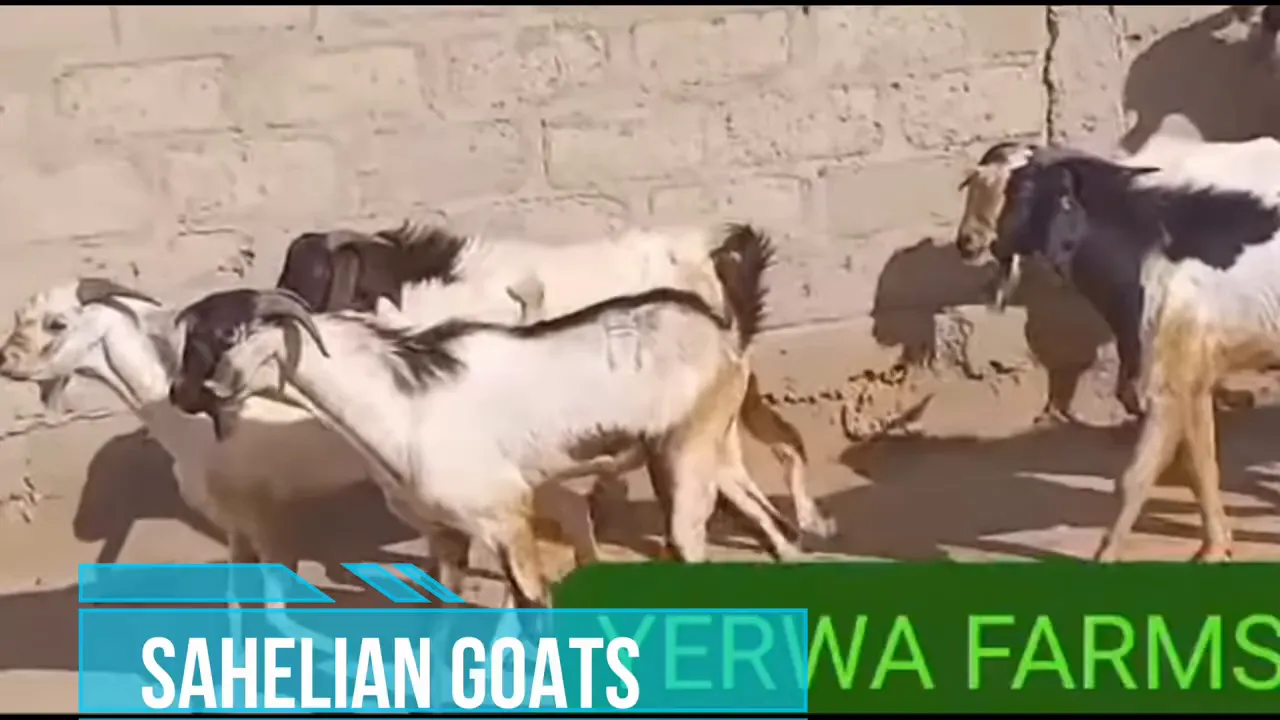
The Sahelian goat is not a single narrowly standardized breed but a regional type adapted to the Sahel zone of West Africa. These goats are characterized by long ears, elegant horn shapes, and a lean body well suited to hot, dry climates with limited forage and water. Despite their graceful appearance, Sahelian goats are surprisingly small, often around 52 pounds, which roughly aligns them with the size of a Nigerian dwarf goat.
Farmers in semi-arid zones rely on these goats for meat and for their skins, which are used locally for leather and other goods. Over centuries these animals have been selected for drought resistance, low water needs, and the ability to browse a wide variety of plants that other livestock may avoid. Their evolutionary story is one of survival under harsh conditions rather than maximum production.
Given climate pressures and the economic importance of small ruminants in the Sahel, these goats are vital to community resilience. Their genetic traits are the product of millennia of adaptation and are valuable in a world where climate extremes are increasing.
Survival features
- Adapted to heat, low rainfall, and sparse grazing
- Typically kept for meat and skin
- Small body size but high resilience in marginal environments
10. Arapawa Goat (Arapawa Island, New Zealand)
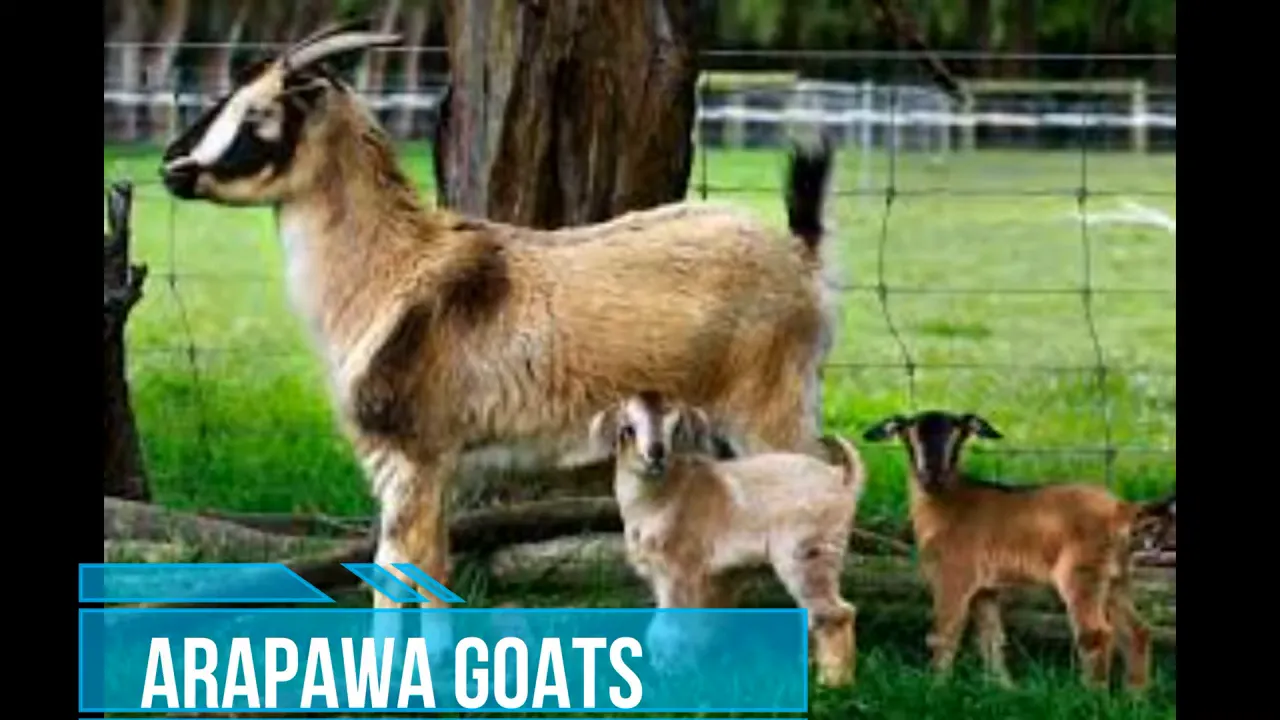
The Arapawa goat is a fascinating story of isolation, near extinction, and conservation. Thought to be derived from the old English milch goat, these animals trace their presence in New Zealand back to historic voyages of exploration. During the late 18th century, explorers and sailors often released livestock on islands as a living food reserve for future settlers, and history credits Captain James Cook with introducing goats to New Zealand during his Pacific expeditions.
A herd of these English-derived goats became isolated on Arapawa Island. Over time the population dwindled, and for a period there were only a few hundred animals left in the world. Conservation efforts have since helped restore numbers and move some animals to other areas of New Zealand, England, and the United States for breeding and protection. Current estimates put the worldwide Arapawa population at roughly a thousand animals, though numbers vary with ongoing conservation work.
What makes Arapawa goats special is their direct link to a piece of livestock history and to the practice of releasing animals for future colonists. Unlike many breeds that have been selectively bred for specific production traits, the Arapawa represents an historical genetic snapshot. Today you can actually be part of breed conservation programs in the United States and England if you are interested, which makes the Arapawa one of the rare breeds with a realistic chance of being seen outside its original home.
Conservation and history
- Derived from old English milch goats introduced to New Zealand
- Herd isolated on Arapawa Island saved from near extinction
- Some animals exported to England and the United States for conservation
Breed Conservation: Why It Matters
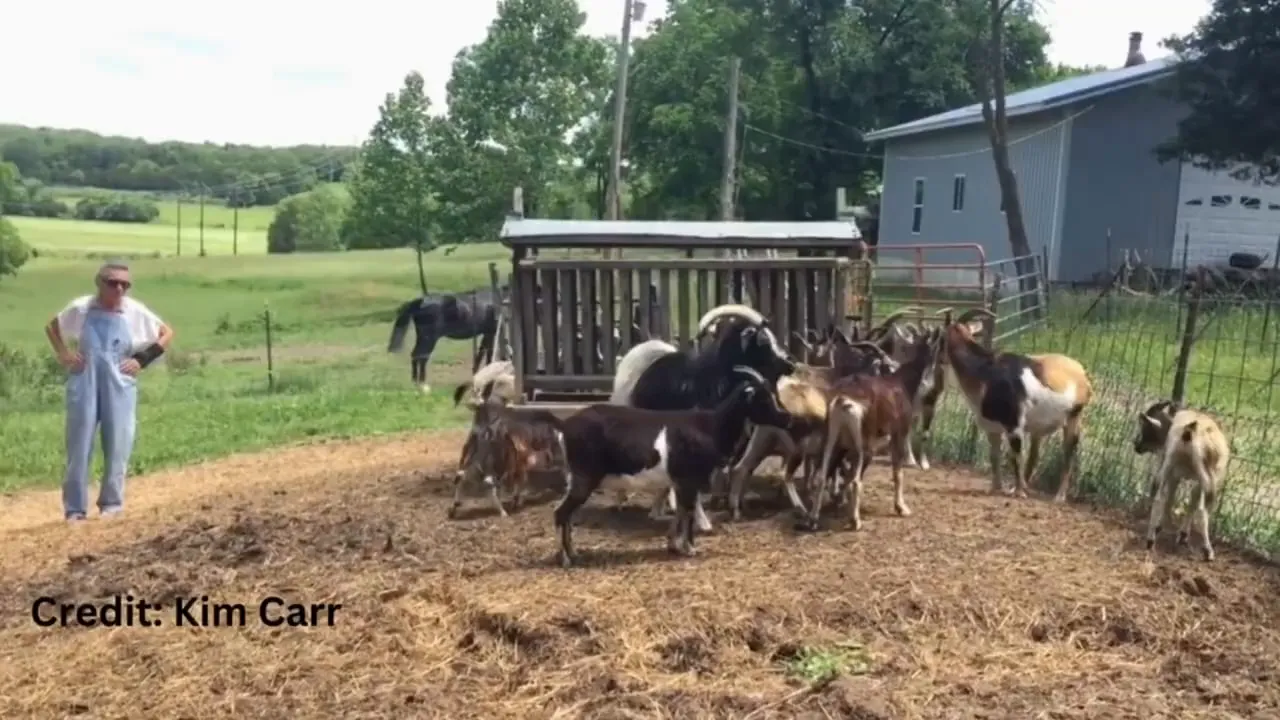
Many of the goats on this list are rare because of changing human practices, urbanization, habitat shifts, and targeted selection for high production breeds. When small, local populations decline they take unique genes and adaptations with them. Conserving rare breeds preserves genetic diversity that can be critical in the future for disease resistance, climate adaptability, and unexpected agricultural needs.
Conservation comes in several forms. Breed trusts can manage small herds, local farmers may participate in targeted breeding programs, and international exchanges can move animals to safer locations where they can be bred responsibly. Public awareness and responsible ownership are also key. Keeping rare breeds requires commitment because they often need specific environmental conditions or cultural practices to thrive.
If you are interested in supporting breed conservation you can look for breed societies, heritage trusts, or registered programs that focus on safeguarding animals. Some breeds, like the Arapawa, have organized efforts that involve sending small groups of animals to other countries to create parallel populations. Others rely on local stewards to maintain the herd on ancestral land. Regardless of the method, saving rare goats preserves a living link to agricultural history and provides resilience for future food systems.
How to Spot or See These Goats
For most readers, encountering these breeds will require travel, networking with breed societies, or involvement in conservation projects. Practical ways to see rare goats include:
- Visiting breed conservation farms or heritage trusts that keep rare herds
- Attending specialty livestock shows where rare breeds may be exhibited
- Joining online breed communities to find smallholders willing to host visitors
- Traveling to regions where these goats are native, such as Sicily for the Girgentana or Bilberry Hill in Ireland for the Bilberry herd
- Supporting and volunteering with conservation programs that occasionally allow visitors and educational tours
Some breeds, like the Arapawa, may occasionally be seen in the United States or England as a result of conservation imports. Other breeds will remain primarily local to their regions unless greater demand for genetic diversity drives broader exchange.
Final Thoughts: Which One Would You Choose?
These ten breeds highlight how human history, geography, and selective breeding combine to create animals with singular appearances and abilities. From the Roman-nosed Damascus to the spiraled-horn Girgentana, each goat tells a story about the people who kept them, the places they lived, and the choices that shaped them. If you were to pick one to keep, which would it be? The regal Jamnapari, the hardy Sahelian, the almost-mythic Girgentana, or the historically important Arapawa?
Rare breeds are more than novelty. They are genetic resources and living histories. Celebrating and supporting them helps keep our agricultural heritage alive for future generations. If you want to learn more about any specific breed mentioned above, look for breed societies, heritage trusts, and conservation programs. They are the best source of accurate, current information and often welcome curious visitors and new stewards.
Which of these rare goats surprised you the most? Have you ever met one of these breeds in real life? If so, share your story with fellow enthusiasts and help spread awareness for preserving these unique animals.
Leave a Reply