
Introduction
After weeks of uncertainty caused by the government shutdown, the U.S. Department of Agriculture has announced the reopening of all 2,100 Farm Service Agency (FSA) offices nationwide, along with a $3 billion aid package for farmers. This decision brings relief to many across the agricultural community who rely on FSA services for everything from loans to crop-insurance assistance.
For small farmers and homesteaders, the FSA isn’t just another government office—it’s often the bridge that makes expansion, equipment upgrades, and sustainability projects possible.
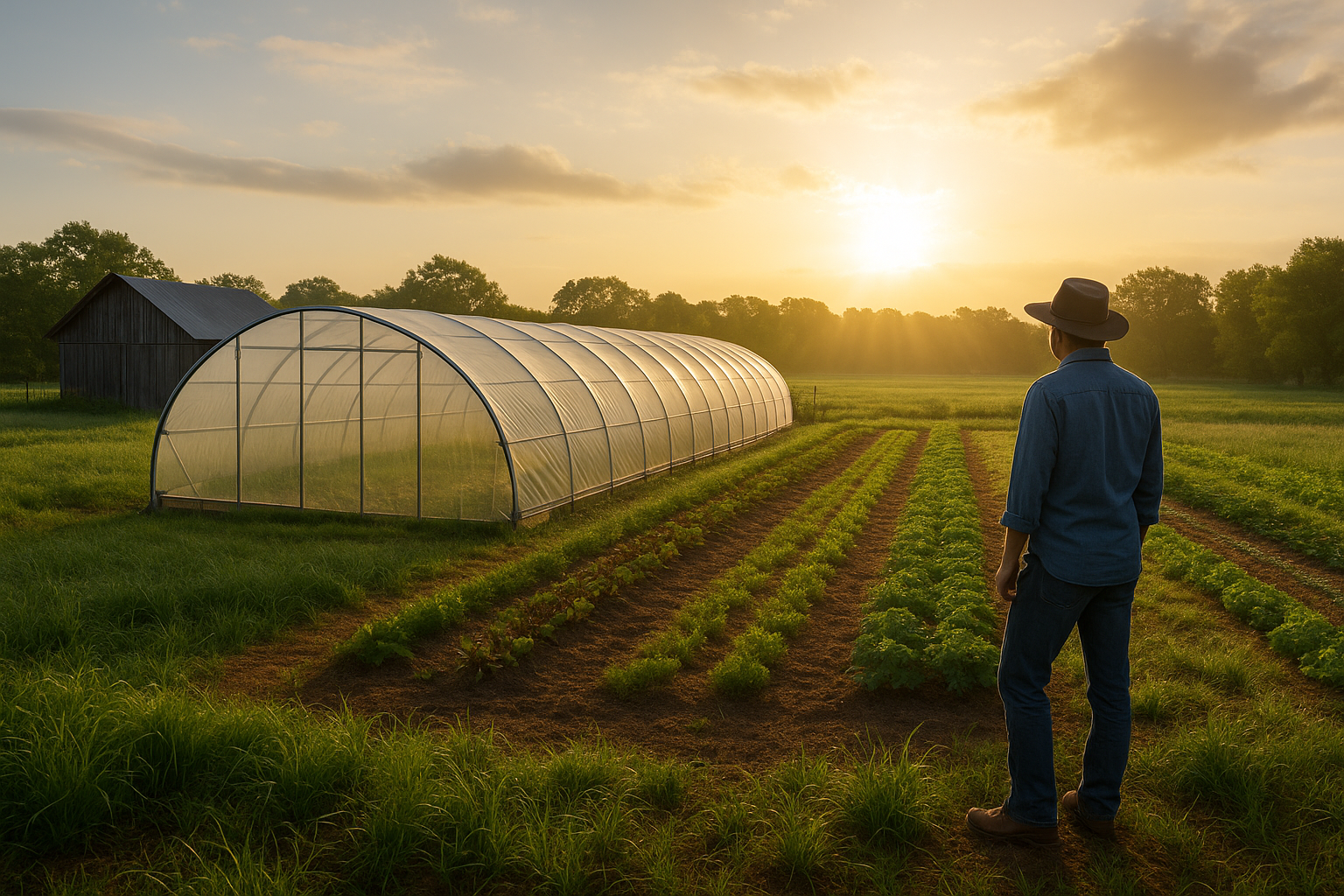
In my own experience, this news hits close to home. Earlier this year, I applied for an FSA-funded hoop-house grant. My local agent told me that in previous years my project would have been approved without question—but due to limited funds, it wasn’t. With this new release of aid and the reopening of FSA offices, there’s renewed hope that these essential programs will once again reach farmers like me.
What Is an FSA Office — and Why It Matters to Farmers
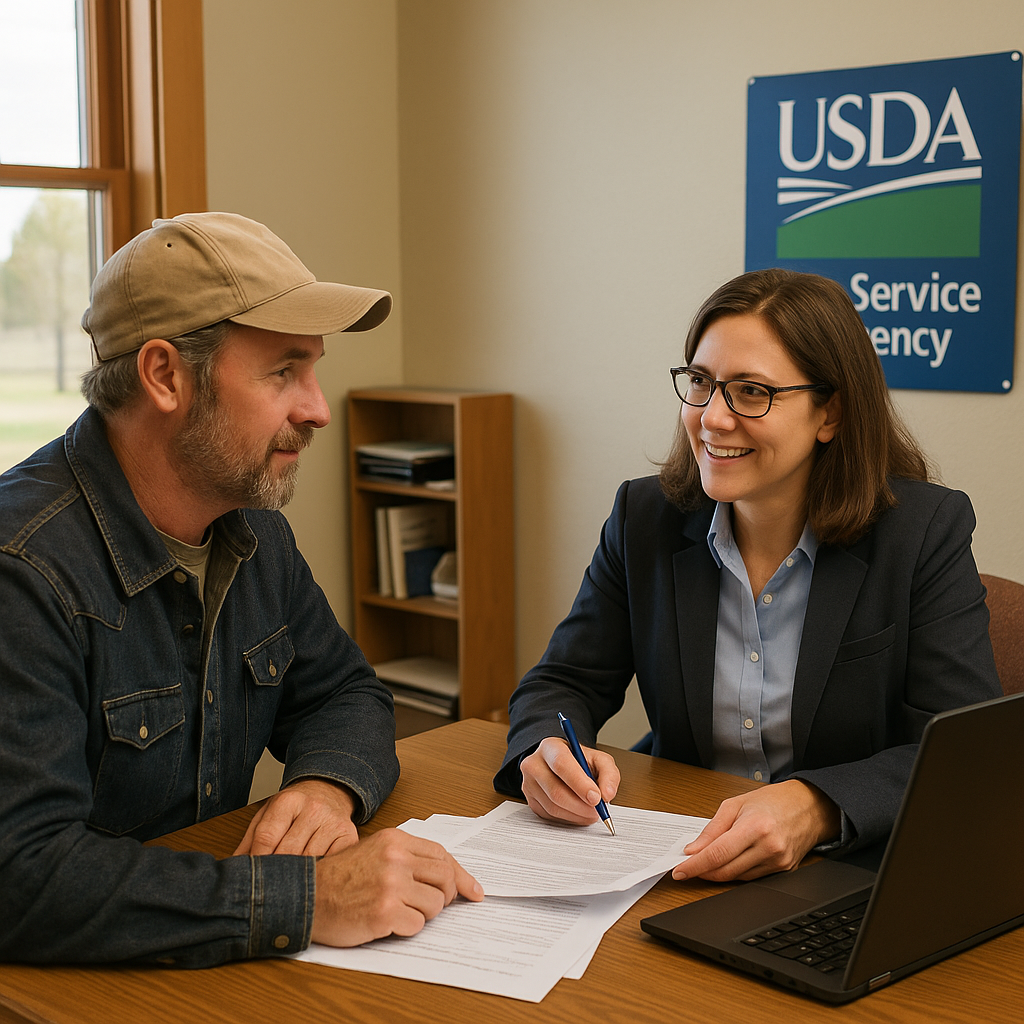
The Farm Service Agency, or FSA, is the branch of the U.S. Department of Agriculture that works directly with farmers and ranchers on the ground. Think of it as the bridge between federal agricultural policy and the people who actually work the land. Each county or region has its own FSA office, where farmers can walk in and apply for assistance, loans, and conservation programs—or simply talk with someone who understands the challenges of running a farm.
FSA offices administer a wide range of programs designed to keep farms operating smoothly even during hard times. These include emergency loans for weather disasters, cost-share grants for projects like hoop-houses and fencing, and price-support programs that help offset market fluctuations. They also manage crop-insurance programs and farm-loan services that many producers depend on to cover planting costs or expand their operations.
For small farmers and homesteaders, these offices are more than bureaucratic hubs—they’re lifelines. The staff often know local producers by name, and their guidance can make the difference between a project getting funded or stalled. When FSA offices close or pause operations, as they did during the recent government shutdown, it leaves many farmers in limbo—unable to access the funding or approvals they need to keep their farms moving forward.
The Big News: USDA’s $3 Billion Aid Package
The U.S. Department of Agriculture has announced that more than $3 billion in farm aid will soon be distributed as part of the agency’s plan to reopen all 2,100 Farm Service Agency offices nationwide. Agriculture Secretary Brooke Rollins confirmed that the funds, which come from the Commodity Credit Corporation (CCC), will allow the FSA to resume essential programs that were put on hold during the government shutdown.
This new wave of aid will restart key safety-net programs such as Agriculture Risk Coverage (ARC) and Price Loss Coverage (PLC), both designed to help farmers stabilize their income when crop prices or yields drop. It will also free up loan processing and other services that smaller farms depend on to manage cash flow during critical times of the year.
What makes this announcement stand out is its timing. Even while much of the federal government remains shut down, the USDA is using CCC funds—created in 1933 to ensure farm incomes—to keep money flowing into rural communities. It’s a signal to farmers that their livelihoods remain a national priority, and it shows how the USDA can operate independently through the CCC to get support to the people who need it most.
What Reopening FSA Offices Means
With all 2,100 offices preparing to reopen, the USDA is signaling that farmers can finally get back to business with full federal support. These local offices handle the day-to-day paperwork that keeps American agriculture running—from approving farm loans and processing disaster assistance to verifying crop-insurance claims and disbursing program payments. For the past several weeks, these services were frozen, leaving many farmers unable to move forward on financial plans or equipment purchases.
Reopening the FSA means pending applications can finally be reviewed and delayed payments can begin to flow again. For smaller farms and homesteads, this change is particularly meaningful: it could mean access to the resources needed to finish infrastructure projects before winter, purchase feed, or pay for emergency repairs. In short, reopening FSA offices restores stability at a time when many farmers have been operating in uncertainty.
The Role of the Commodity Credit Corporation
Behind the USDA’s ability to release billions in aid during a shutdown is the Commodity Credit Corporation, or CCC. Established in 1933 during the Great Depression, the CCC was created to stabilize, support, and protect farm income and prices. It operates as a government-owned financial institution within the USDA, with authority to borrow up to $30 billion from the U.S. Treasury.
This unique structure gives the USDA flexibility when normal budget processes stall. Instead of waiting for Congress to pass new appropriations, the CCC can temporarily use its borrowing authority to fund urgent farm programs. That’s exactly what’s happening now: the $3 billion being distributed comes directly from CCC resources, allowing the USDA to bypass the shutdown’s restrictions and keep assistance flowing to farmers.
The CCC has been used many times in the past to fund major farm-aid initiatives, from price-support payments to emergency relief programs after natural disasters. Its role today is a reminder of how critical financial mechanisms like this are for maintaining food security and rural stability, even when politics in Washington grind to a halt.
Why This Matters for Small Farmers and Homesteaders
For large-scale commodity producers, USDA support programs like ARC and PLC are familiar tools, but for small farmers and homesteaders, FSA funding can mean the difference between growth and stagnation. These programs often provide the only accessible form of financial assistance for projects that help diversify farm income and strengthen local food systems.
Over the past year, many smaller producers have faced stalled or rejected funding applications as budgets tightened. The reopening of FSA offices and the release of $3 billion in aid signal a much-needed reset. It means that cost-share programs for hoop-houses, fencing, and conservation efforts may finally move forward again. Microloans that help beginning farmers build infrastructure or purchase livestock could also resume.
In short, this announcement isn’t just about numbers—it’s about accessibility. When FSA offices are funded and staffed, rural communities gain stability. Farmers can plan their seasons, improve their sustainability practices, and build resilience for the future. For homesteaders, this new funding wave represents hope and opportunity, proving that even small operations play an important role in America’s agricultural landscape.
My Experience with the Hoop-House Grant
Earlier this year, I applied for a hoop-house grant through my local FSA office—a program designed to help farmers extend their growing seasons and improve sustainability. The agent I worked with told me that in previous years, my application would have been an easy approval. But this year, things were different. Funding had tightened due to budget constraints, and projects like mine simply weren’t being prioritized.
It was disappointing, especially knowing how much a hoop-house could help improve my farm’s productivity and resilience. Still, the experience gave me insight into how heavily FSA programs depend on federal funding cycles. When budgets shrink, even strong, practical projects fall through the cracks.
That’s why this new announcement feels so encouraging. With $3 billion in aid being released and offices reopening, there’s a renewed chance that programs like the hoop-house grant could be revived. It’s a reminder that behind every funding decision are real farmers trying to make the most of their land, and when these programs are supported, rural communities thrive.
What This Could Mean Moving Forward
The reopening of FSA offices and the release of new funds mark more than just a bureaucratic change—they mark a restart for farmers who’ve been stuck waiting. Programs that were frozen during the shutdown can now resume, and farmers who were left in limbo can begin reapplying for aid and checking on pending applications.
Over the coming weeks, FSA staff will begin processing backlogged requests, approving payments, and reviewing new applications. This includes cost-share programs for infrastructure improvements, microloans for small and beginning farmers, and conservation projects designed to improve soil health and sustainability.
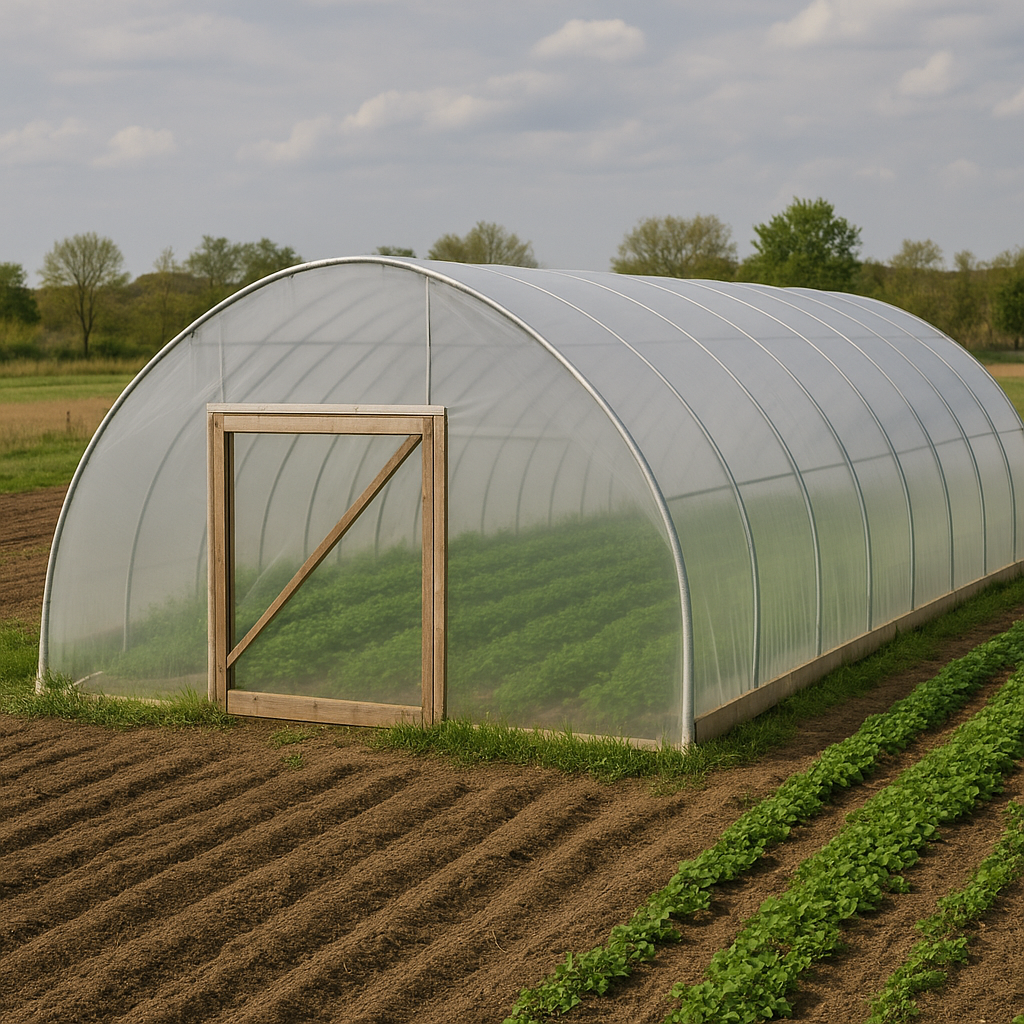
For many of us, it means a chance to revisit projects that had to be put on hold—like hoop-houses, irrigation systems, or new fencing. The renewed funding could give small producers the boost they need to prepare for the next growing season. The key takeaway: if you’ve applied for FSA support in the past, now is the time to check in with your local office, update your application, and see what new opportunities are available.
Final Thoughts
The USDA’s $3 billion aid announcement is more than a simple policy update—it’s a promise of renewed support for farmers across the country. For many, this aid will mean long-delayed payments, new opportunities for grants, and the reopening of essential services that keep their farms afloat.
For small farmers like me, it also brings a sense of hope. After missing out on the hoop-house grant earlier this year because funding ran out, I now see a possibility that these programs will be restored and strengthened. It’s a reminder of how deeply federal agricultural policy affects daily life on the farm—from planning the next planting season to expanding sustainable infrastructure.
Whether you run a few acres or a large operation, this moment is about progress and perseverance. The reopening of FSA offices shows that farming remains a national priority, even during uncertain times. With renewed funding, farmers can finally look ahead and continue building the resilient, sustainable operations their communities depend on.
Leave a Reply