
Choosing the right dairy goat for your homestead is one of the most exciting decisions you can make as a small farmer or backyard homesteader. There are a lot of breeds to choose from, and the perfect goat for you will depend on your priorities: Are you after maximum milk volume? Creamy, high-butterfat milk for cheese and soap? A friendly pet for the kids? Or a hardy, low-maintenance goat that thrives in cold weather?
Below I break down the most popular dairy goat breeds in America, highlighting milk production, butterfat content, temperament, climate adaptability, pros and cons, and my personal experience where I have it. This guide is meant to help you match breed traits to your goals so you can confidently pick the goats that will be a good fit for your homestead.
How to choose a dairy goat
Before diving into breed-by-breed details, think about the following questions. Your answers will help you narrow down the right breed.
- Milk goals: Do you want gallons of milk every day for drinking and a family, or are you focused on rich milk for cheese and soap making?
- Space and fencing: Do you have room for larger, active goats or are you working with a smaller urban lot?
- Climate: Do you live in hot, humid weather, or a cold northern climate?
- Temperament: Will children be interacting with the goats? Do you want docile animals or more independent personalities?
- Budget and availability: Some breeds are common and less expensive, while others can be harder to find.
One golden rule: never get just one goat. Goats are social and need at least one companion. Plan on at least a pair from day one.
I always tell new goat keepers: you will be getting at least two, because they need a buddy.
1. Alpine goats
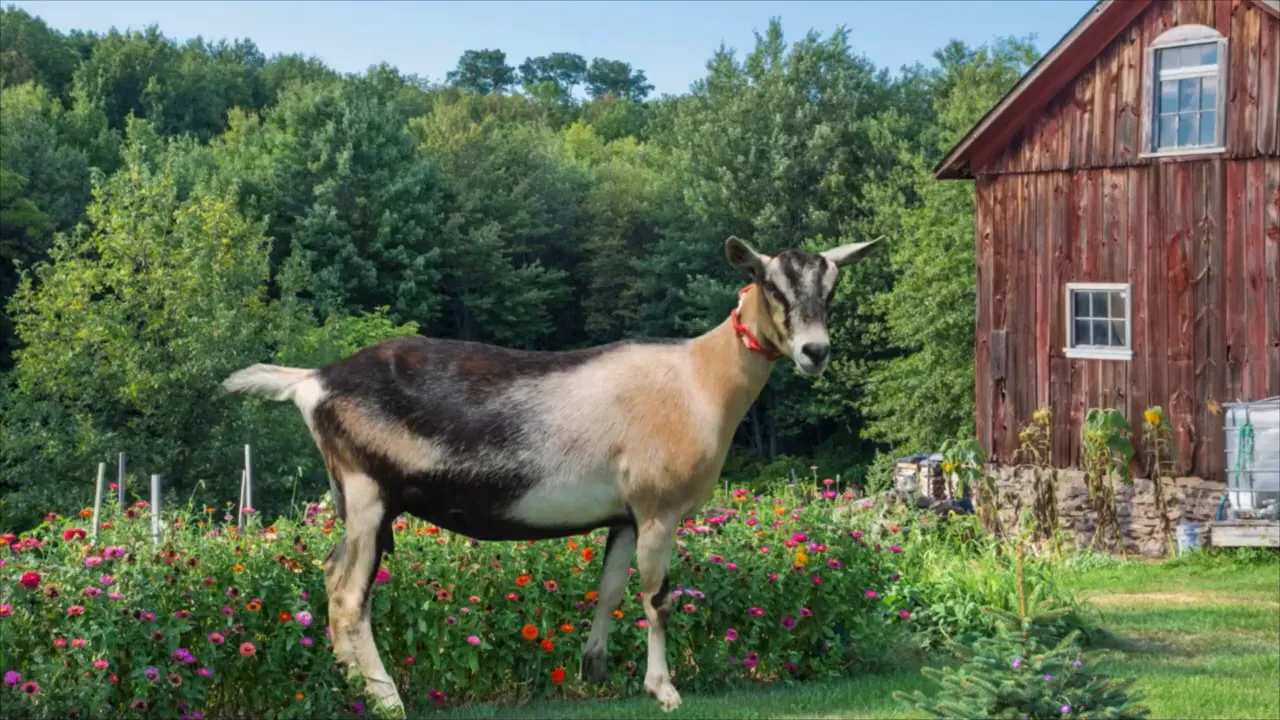
Alpines are one of the most popular dairy breeds in the United States, and for good reason. Originally from the European mountains, they are strong, hardy, and known for consistent, high milk production.
Milk and butterfat
An average Alpine can produce between 1 and 2 gallons of milk per day under good management. Butterfat runs about 3.5 percent on average. That makes Alpine milk versatile: plenty of volume for drinking and cooking, and decent richness for cheese making.
Temperament and behavior
Alpines are friendly, curious, and outgoing. They do well with frequent human interaction, so they are great for families and homesteads where people spend time with their animals. They are active and energetic, which means they enjoy grazing, browsing, and moving around their pasture.
Climate suitability
Because of their mountain ancestry, Alpines adapt to a variety of climates but favor cooler conditions. In hot areas provide shade and good ventilation.
Pros
- High milk yield compared to many other breeds
- Adaptable to different climates (better in cooler weather)
- Hardy and strong, good for varied terrain
Cons
- Can be a bit bossy in mixed herds
- Because they are active, they may require more space and more robust fencing
2. Nubian goats

Nubians are one of my personal favorites. Their appearance is distinctive: long, floppy ears and a convex “Roman” nose. They are beloved for their sweet temperaments and exceptionally rich milk.
Milk and butterfat
Nubians typically give about 1 to 1.5 gallons of milk per day. What they lack in raw volume compared to an Alpine, they make up for in butterfat. Nubian milk runs between 4 and 5 percent butterfat, which makes it ideal for cheese, butter, and soap making. If you want creamier milk or are focused on dairy processing, Nubians are fantastic.
Temperament and behavior
Nubians are affectionate and very social. They are also famously vocal. If you want goats that “talk” to you and follow you around, Nubians will do that. On the flip side, some Nubians can be very loud; consider neighbors and local noise ordinances if you live in a close community.
Climate suitability
Nubians do well in warmer climates. They can struggle in cold weather if not provided with proper shelter and bedding. Their short coats mean they benefit from draft-free housing in winter.
Pros
- High butterfat content — excellent for cheese and soap
- Friendly and very sociable
- Great for homesteads that value rich milk over sheer volume
Cons
- Lower milk yield than some other dairy breeds
- Vocal; can be noisy in some environments
Personal experience
The very first goat I ever got was a Nubian. I found her at a sale barn where she was jumping up to see me, and I fell in love immediately. I currently keep Nubians and Nigerian Dwarfs, and I am seriously considering transitioning my herd toward Nubians or Nubian-Nigerian dwarf crosses. Nubians tend to be calmer and easier to handle for me than some other breeds. Their kids are adorable, their ears are long and soft, and they have a real personality that makes them feel like part of the family.
3. Saanen goats
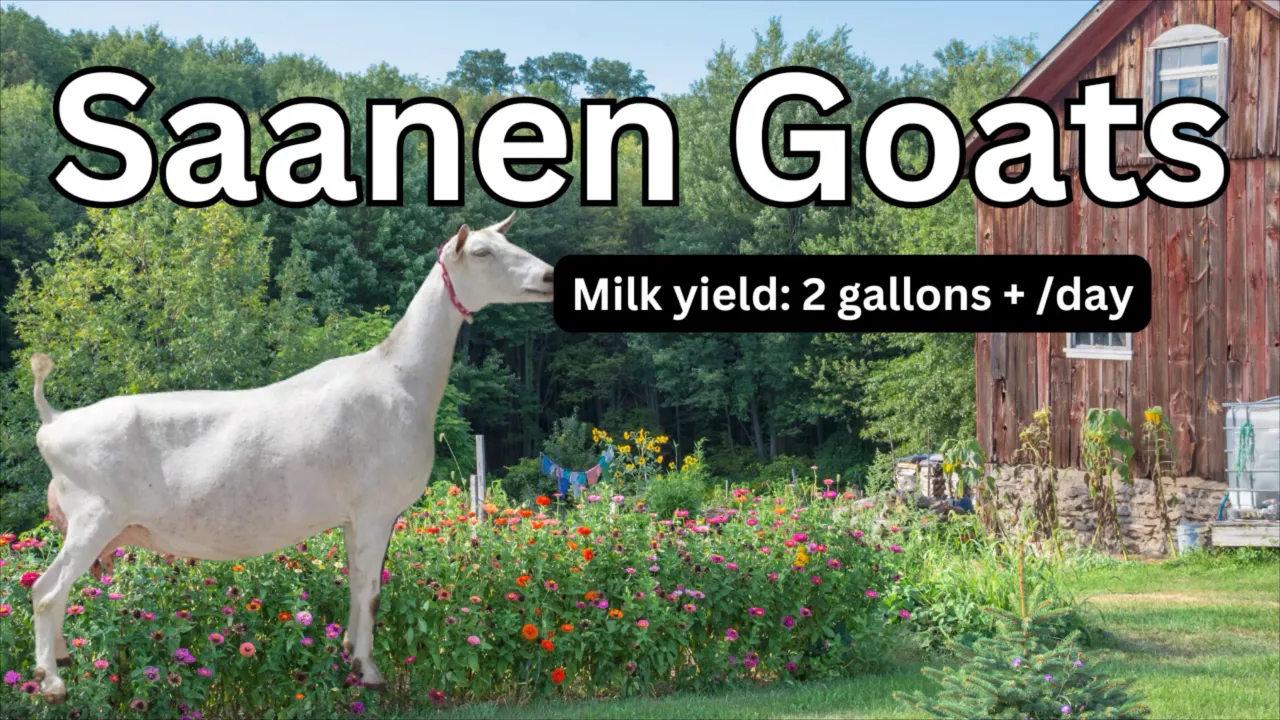
Saanen goats are often called the “Holsteins” of the goat world. They are one of the highest volume producers and have a long history as reliable dairy animals.
Milk and butterfat
Saanens can produce more than 2 gallons per day in well-managed systems. However, their milk has a lower butterfat percentage, typically around 2.5 to 3 percent. If you want large quantities of milk primarily for drinking and everyday use, Saanens are excellent.
Temperament and behavior
Saanens are calm, gentle, and easy to handle. These qualities make them ideal for beginners and for homesteads with children who will be helping with chores.
Climate suitability
Saanens are best in cooler climates. Because many are white-coated, they can suffer in intense heat and will need shade and cooling in hot regions.
Pros
- Very high milk production
- Docile and easygoing temperaments
- Great for first-time goat keepers
Cons
- Lower butterfat content, which may not be ideal for cheese or soap makers
- Sensitive to intense heat and may need more shade and management in warm climates
4. Lamancha goats
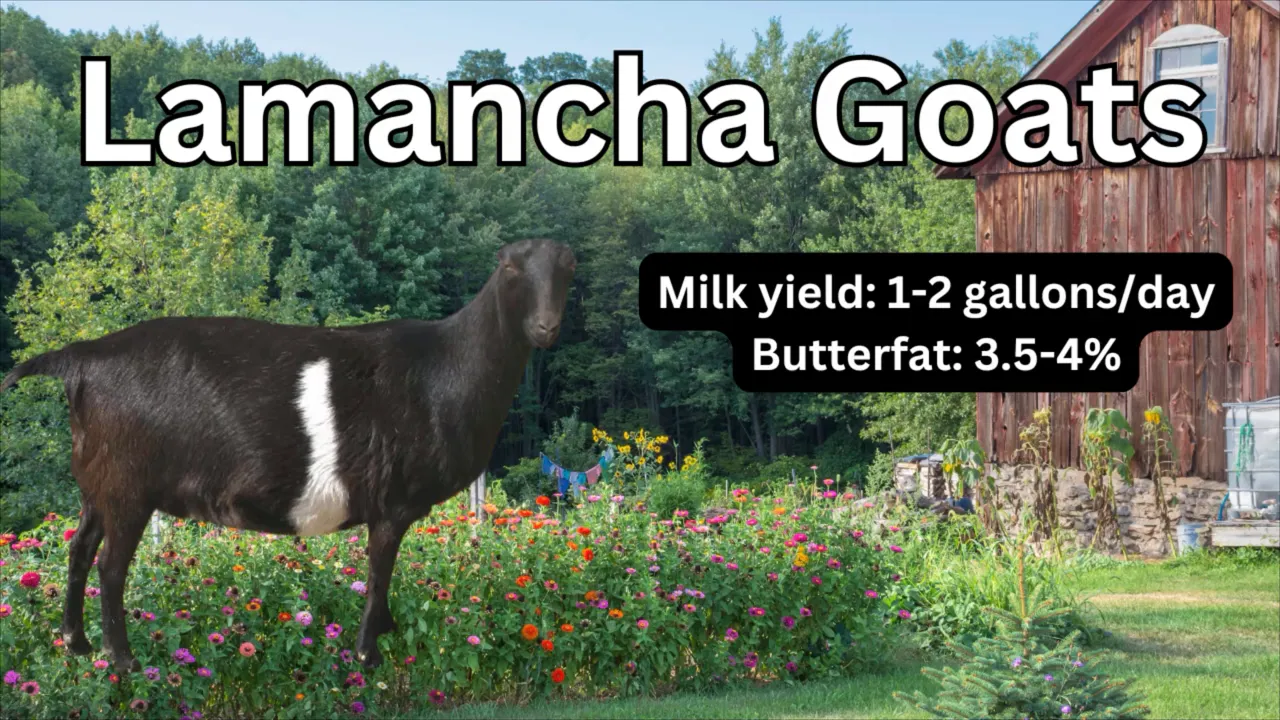
Lamancha goats are memorable for one thing above all: their tiny ears. They come in two ear types commonly called “gopher” or “elf” ears. But they are more than a quirky appearance; they are excellent milkers with calm dispositions.
Milk and butterfat
Lamancha goats typically produce between 1 and 2 gallons of milk per day with butterfat ranging from about 3.5 to 4.5 percent. That makes them solid producers with milk rich enough for cheesemaking while still providing good volume.
Temperament and behavior
Lamancha goats are quiet, sweet, and adaptable. They tend to get along with other animals and are generally easy to handle. Their calm nature makes them popular with families and homesteaders looking for dependable, pleasant animals.
Climate suitability
Lamancha goats do well in most climates as long as they have proper shelter. Their small ears do not affect their hearing significantly, but the breed overall is known for being hardy and versatile.
Pros
- High milk yield with good butterfat
- Quiet and even-tempered
- Unique appearance that many people love
Cons
- Some people find their minimal ears a bit strange
- Less common than Alpines and Saanens in some regions, so finding specific bloodlines may be harder
Personal experience
I have had a few Lamancha crosses. For instance, a Nigerian dwarf doe of mine had Lamancha twins. It was an odd scenario because typically the doe is larger, but she was already bred when I got her. The Lamancha traits showed in the kids’ demeanor and milk potential, and they were very sweet.
5. Nigerian Dwarf goats
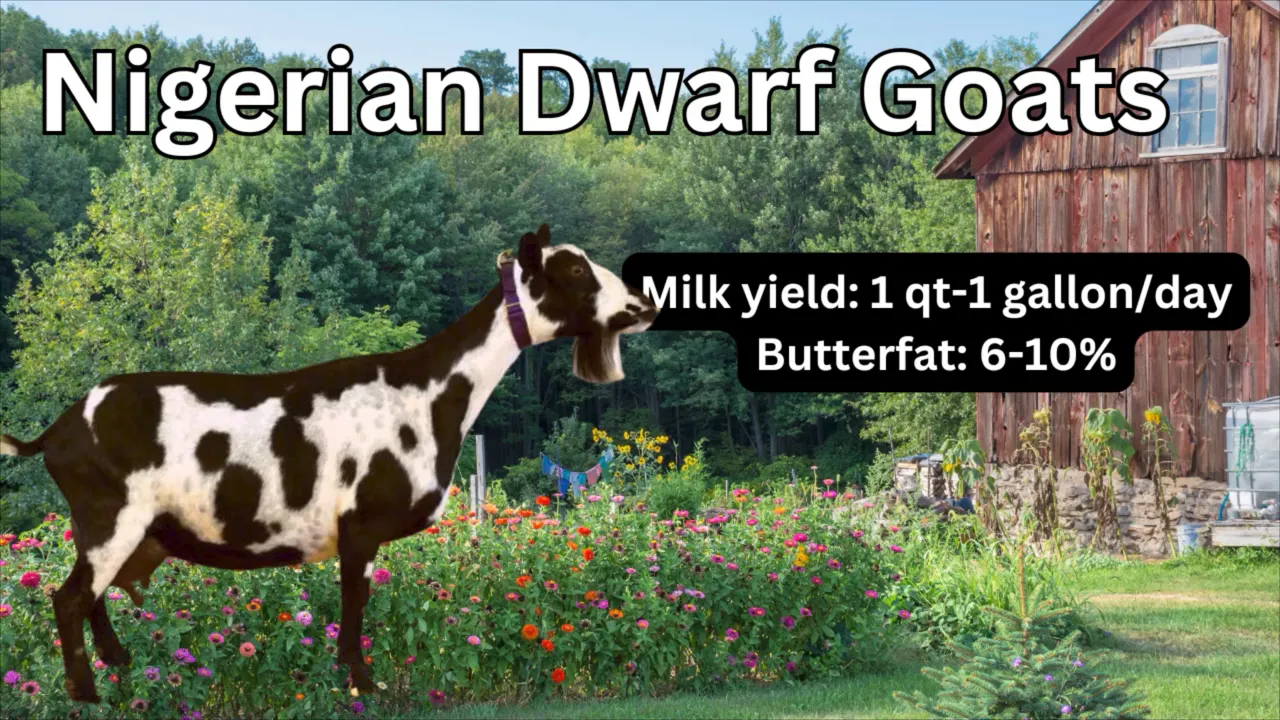
Nigerian Dwarfs are tiny goats with big personalities and remarkably rich milk. They are one of the most popular breeds for hobbyists and small-space homesteaders.
Milk and butterfat
For their size, Nigerian Dwarfs are impressive producers. They can give anywhere from a quart up to a gallon per day depending on genetics and management. Their real strength is butterfat, typically between 6 and 10 percent — extremely rich and excellent for premium cheeses, butter, and soap making.
Temperament and behavior
Nigerian Dwarfs are friendly and playful, great with children and families. However, they are also notorious escape artists. Despite being small, they can jump and climb, often scaling 4 foot fences if motivated. Proper fencing and enrichment are crucial with this breed.
Climate suitability
Nigerian Dwarfs adapt well to most climates but, as with any goat, require adequate shelter in extreme weather. Their small size makes them easy to handle and house.
Pros
- Very high butterfat makes their milk excellent for cheese and soap
- Small size makes them easier to handle
- Great for small farms and urban homesteads
Cons
- Lower total milk volume compared to full-size dairy breeds
- Escape artists — they can be surprisingly athletic
- Because of their size, some milking equipment does not fit, making milking by hand more practical for many keepers
Personal experience
I love Nigerian Dwarfs. They are one of the most common breeds in my area and usually fairly affordable and easy to find. That said, I find them a bit harder to milk by hand because my hands are small, and many commercial milkers are not ideally sized for the tiny teats of Nigerian Dwarfs. Even so, their sweet personalities and amazingly rich milk make them a favorite.
6. Toggenburg goats
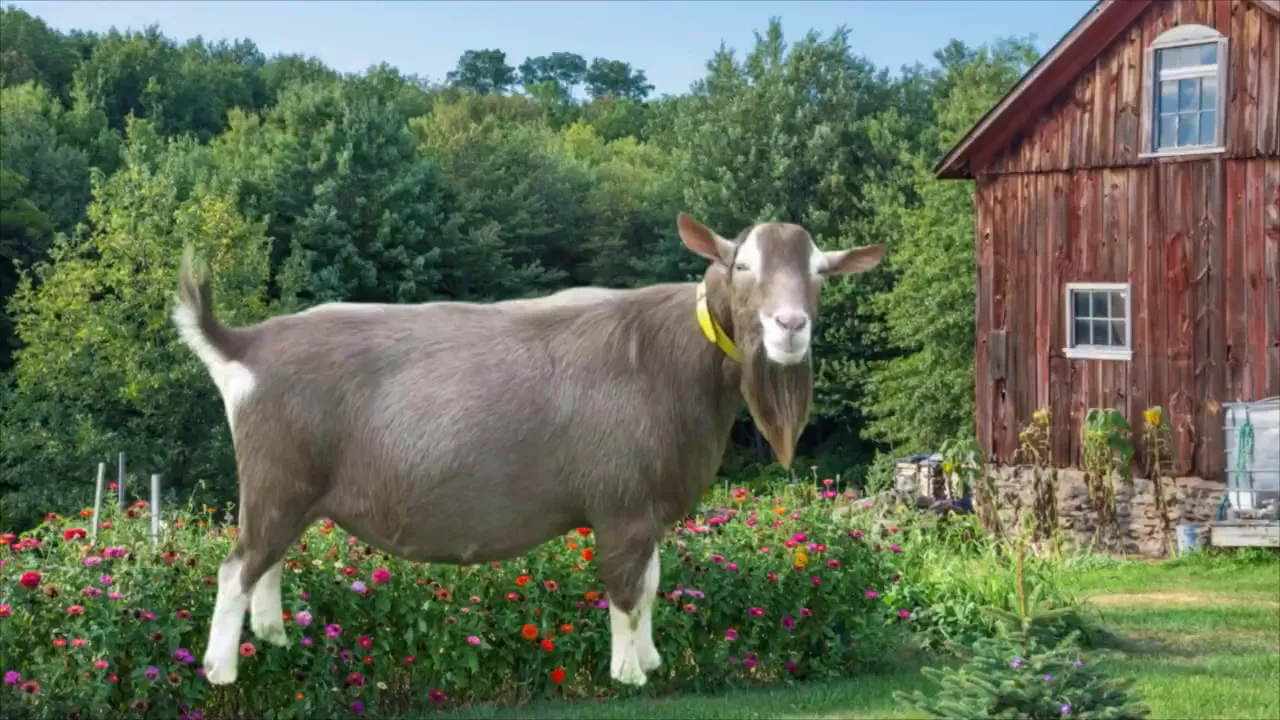
Toggenburgs are one of the oldest registered dairy goat breeds, originating in the Swiss Alps. They are known for steady milk production and hardy constitution.
Milk and butterfat
Toggenburgs typically produce between 1 and 2 gallons of milk per day. Butterfat content is around 3.3 percent. That puts them in the middle ground — decent volume and reasonable richness.
Temperament and behavior
Toggenburgs are curious and active but can be a little more reserved and independent than breeds like Nubians. They are not usually as outgoing, which some keepers appreciate because they are less demanding of constant attention.
Climate suitability
Well suited to cooler climates due to their mountain heritage. They thrive in areas with cold winters as long as they have shelter and dry bedding.
Pros
- Reliable milk producers with a long history of dependable breeding
- Hardy in cold climates
- Good for homesteads looking for consistent productivity
Cons
- Lower butterfat compared to Nubians and Nigerian Dwarfs
- May be less outgoing and less demonstrative in personality
Matching breed to your goals
Here is a simple way to match breeds to common homestead goals.
- Maximum milk volume: Consider Alpines, Saanens, Saanen crosses, or Saanen mixes. These breeds give the largest quantities of milk per day.
- High butterfat for cheese/soap: Nubians and Nigerian Dwarfs are the best picks for rich milk. Lamancha also provides a balance of volume and butterfat.
- Small space or urban homestead: Nigerian Dwarfs are ideal because of their small size, but prepare secure, goat-proof fencing.
- Beginner-friendly and calm: Saanens and Saanen crosses are excellent for first-time keepers due to their docile nature.
- Cold climate hardy: Toggenburgs and Alpines generally do well in colder regions.
- Friendly, interactive family goats: Nubians and Nigerian Dwarfs shine when social interaction is a priority.
Practical considerations beyond breed
Picking a breed is only part of the equation. Here are additional practical elements every new goat keeper should consider.
Companionship
Goats are herd animals. Do not bring home a single goat; plan on at least two so they have companionship and are less likely to become stressed or develop behavioral problems.
Housing and shelter
All goats need a dry, draft-free shelter with clean bedding. Insulation helps in cold climates, and good ventilation is critical in warm weather. Shade and airflow are essential if you live in hotter regions.
Fencing and escape prevention
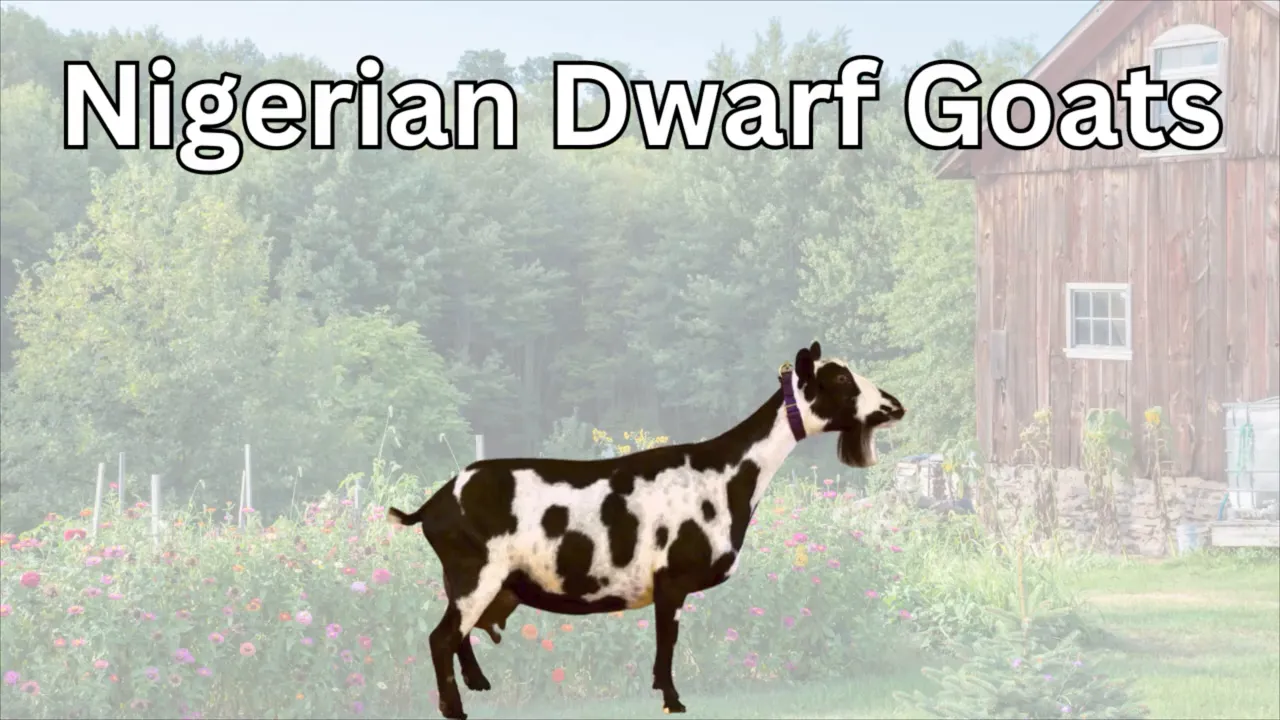
Many goats, especially Nigerian Dwarfs, are escape artists. Use strong, tall fencing and check fences regularly for weak spots. Consider electric wire at goat height or higher fences for especially athletic animals. Enrichment such as logs and platforms can mitigate boredom-based escape attempts.
Feeding and nutrition
Dairy goats need a balanced diet with adequate protein, minerals, and energy to support milk production. A high-quality hay, access to pasture or browse, and a formulated goat feed or grain mix are common components of a dairy goat diet. Always provide free-choice fresh water and a loose mineral mix formulated for goats. Avoid sheep minerals as they can lack copper, which goats need in proper amounts.
Milking: hand-milking vs. machine
Milking technique depends on breed and personal preference. Full-size breeds like Alpines and Nubians are easier to milk with standard equipment. Nigerian Dwarfs often require smaller equipment or hand-milking because many commercial milkers are designed for larger teats. If you plan to milk by hand, practice on a calm doe first and be consistent with schedule to maintain production.
Health and medical issues
Common issues include parasites, foot rot, mastitis, and mineral deficiencies. Develop a relationship with a veterinarian experienced with goats. Keep a preventive health plan that includes a deworming strategy based on fecal egg counts, regular hoof trimming, and vaccinations recommended in your area. Clean bedding and good sanitation during milking reduce mastitis risk.
Buying tips
- Buy from reputable breeders with health-tested animals whenever possible. Ask about CAE, Johne’s, CL, and CAE testing where applicable in your region.
- Inspect the herd for overall condition, temperament, and the presence of healthy kids.
- If you want superior milk production or predictable butterfat, consider proven does and does from milking lines with documented yields.
- Ask to see the mother of any kid you are purchasing if possible. The dam’s temperament and production are strong indicators of how the kid will perform.
When to choose crosses
Crossbreeding can combine the best traits of two breeds. For example, crossing an Alpine with a Nubian may yield an animal with higher milk volume and improved butterfat content. Nigerian dwarf crosses with Nubians produce “miniature Nubians” that have the sweet Nubian milk in a smaller package and are an increasingly popular choice for homesteaders who want both temperament and rich milk without the full-size bulk.
Final thoughts
No single breed is “best” for everyone. Each has strengths and trade-offs. Alpines and Saanens are hard-working volume producers. Nubians and Nigerian Dwarfs offer rich milk perfect for those who want to produce cheese and soap. Lamancha combines good milk and calm temperaments, and Toggenburgs bring a long tradition of steady production and cold-weather hardiness.
Think through your primary goals, the size of your property, the climate you live in, and how you want to interact with your goats. Talk to local keepers and breeders, visit farms if you can, and take your time to find goats that fit your homestead lifestyle.

If you already have goats, tell me which breeds you keep and what you love or struggle with. If you are planning to get your first pair, tell me which breeds you are considering and why. Sharing real-world experiences helps everyone make better decisions and keeps the goat community strong.
Quick reference summary
- Alpine: 1–2 gallons/day, ~3.5% butterfat, high volume, outgoing, better in cool climates.
- Nubian: 1–1.5 gallons/day, 4–5% butterfat, rich milk, very vocal, great in warm climates.
- Saanen: >2 gallons/day, ~2.5–3% butterfat, very high milk volume, docile, prefers cool climates.
- Lamancha: 1–2 gallons/day, 3.5–4.5% butterfat, calm and adaptable, unique small ears.
- Nigerian Dwarf: 0.25–1 gallon/day, 6–10% butterfat, tiny and friendly, escape artists, perfect for small lots.
- Toggenburg: 1–2 gallons/day, ~3.3% butterfat, steady producers, hardy in cold weather, reserved temperament.
Goats are a joyful and rewarding addition to any homestead. With the right breed choice for your goals and good management, you will be set for years of fresh, delicious milk and lively companionship.
Which goat will you bring home first?
Leave a Reply