
If your pumpkin patch went a little overboard this year—or you simply ended up with more pumpkins than you know what to do with—you have plenty of options beyond leaving them on the porch until winter. Pumpkins can become meals, baked goods, freezer ingredients, snacks, decorations, homeschool activities, and more.
Here are 25 practical ways to use a pumpkin surplus, plus important food-safety notes for storing and preserving them.
Before You Start: Which Pumpkins Can You Eat?
Pie and culinary pumpkins generally have sweeter, denser flesh than large carving pumpkins. Many carving pumpkins are edible when they are fresh, sound, and have been handled safely, but the flesh may be watery or stringy. Do not eat pumpkins that are rotten, moldy, badly damaged, or contaminated. A carved jack-o’-lantern that has been sitting outdoors should be treated as decoration rather than food.
1. Make Homemade Pumpkin Purée
Cook a culinary pumpkin until tender, scoop out the flesh, and purée it. Use it in breads, muffins, pancakes, soups, pies, and other recipes. See this homemade pumpkin purée tutorial from an independent food blogger.
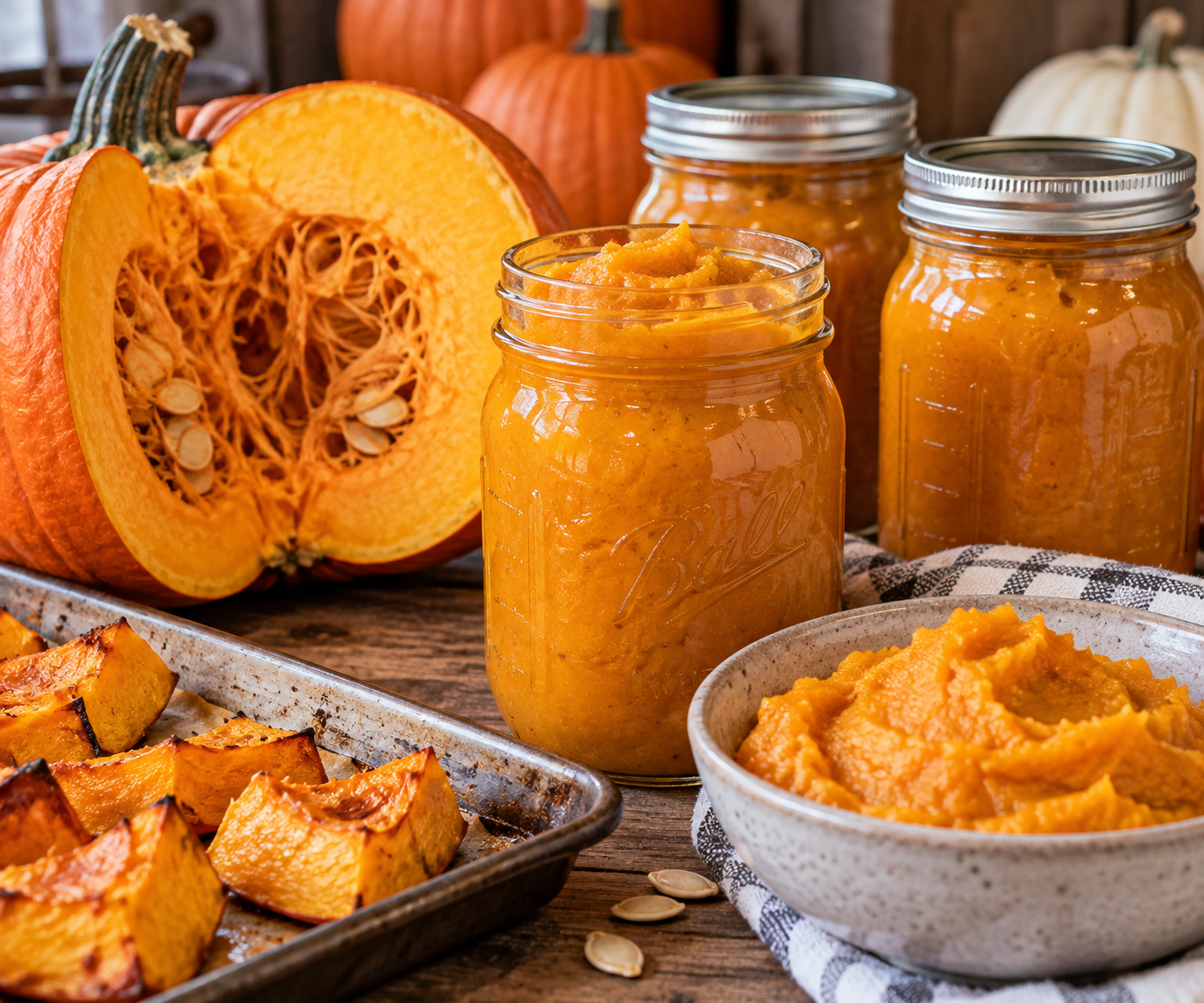
2. Freeze Pumpkin Purée
Portion cooked pumpkin purée into useful recipe-sized amounts and freeze it for later. Follow current food-freezing guidance for cooling, packaging, and storage.
3. Bake Pumpkin Pie
Turn those pie pumpkins into the obvious fall classic. If you have a lot of purée, you can make several pies for gatherings or freeze baked goods for later. See this homemade pumpkin pie recipe from an independent food blogger.
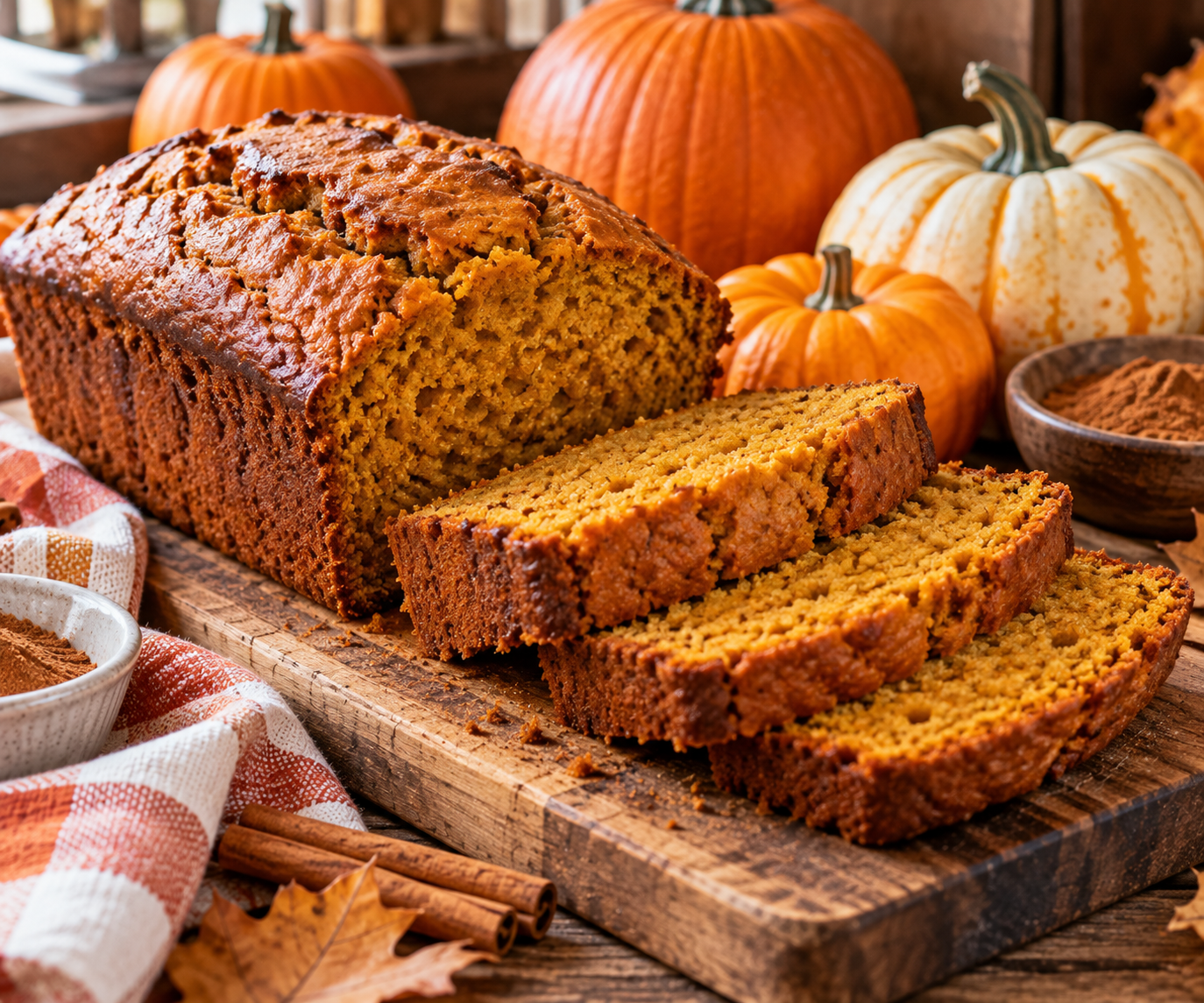
4. Make Pumpkin Bread
Pumpkin quick bread is an easy way to use purée, and extra loaves freeze well. See this pumpkin bread recipe from an independent food blogger.
5. Make Pumpkin Muffins
Pumpkin muffins make an easy breakfast or snack and are another freezer-friendly option for a large harvest. See this pumpkin muffin recipe from an independent food blogger.
6. Make Pumpkin Pancakes
Add pumpkin purée and warm spices to a favorite pumpkin pancake recipe. Freeze extras for quick breakfasts. See this pumpkin pancake recipe from an independent food blogger.
7. Make Pumpkin Waffles
Use pumpkin in waffles and freeze individual waffles for later. This is a handy way to work through small containers of leftover purée. See this pumpkin waffle recipe from an independent food blogger.
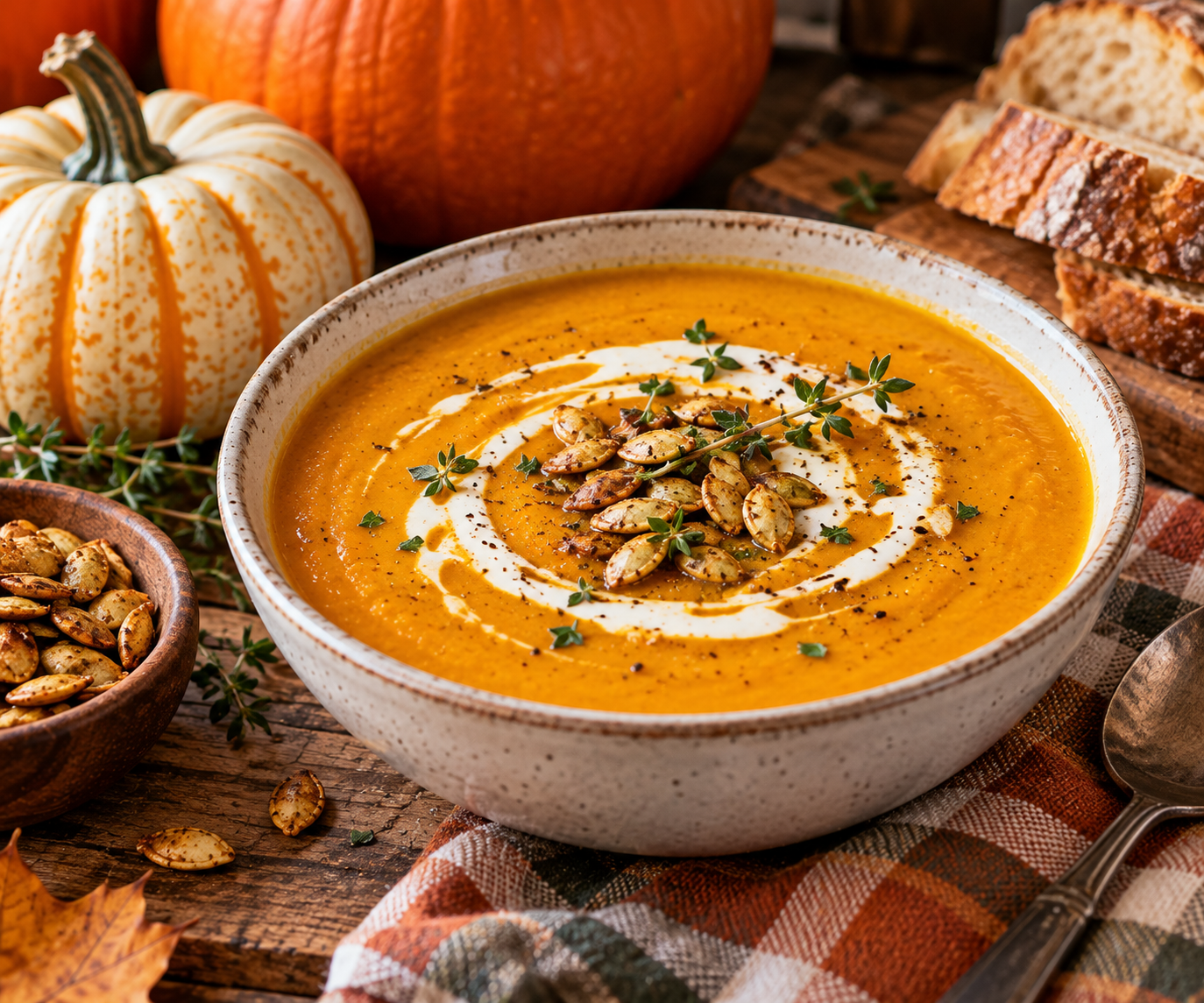
8. Make Pumpkin Soup
Pumpkin makes a smooth, hearty fall soup and can be paired with savory herbs, onions, garlic, broth, or other vegetables. See this roasted pumpkin soup recipe from an independent food blogger.
9. Add Pumpkin to Chili
Pumpkin purée can add body to a savory chili without making the meal taste like dessert. For instructions, see this pumpkin chili recipe.
10. Make Pumpkin Pasta Sauce
Turn pumpkin into a savory pasta sauce with ingredients such as garlic, herbs, broth, cheese, or cream according to your chosen recipe. See this pumpkin pasta sauce recipe from an independent food blogger.
11. Add Pumpkin to Mac and Cheese
A little pumpkin purée can be incorporated into a creamy cheese sauce for a fall-inspired pasta dinner. See this pumpkin mac and cheese recipe from an independent food blogger.
12. Roast Pumpkin Cubes
Peel and cube a firm culinary pumpkin, season it, and roast until tender. Serve it as a side dish or add it to salads and grain bowls. For instructions, see this roasted pumpkin cubes method.
13. Make Pumpkin Curry
Firm chunks of cooking pumpkin work well in many savory curry recipes and can use a surprising amount of a harvest. See this pumpkin curry recipe from an independent food blogger.
14. Stir Pumpkin Into Oatmeal
A spoonful of cooked pumpkin is an easy way to use leftover purée at breakfast. Add cinnamon or other toppings you enjoy. See this pumpkin oatmeal recipe from an independent food blogger.
15. Roast the Pumpkin Seeds
Save the seeds when processing pumpkins. Clean and roast them using a reliable recipe for an easy seasonal snack. See this roasted pumpkin seeds recipe from an independent food blogger.
16. Save Seeds for Next Year’s Garden
If you grew an open-pollinated variety, you can experiment with saving mature seeds. Pumpkins can cross-pollinate with compatible squash, however, and hybrid varieties may not grow true to type.
17. Make Refrigerator or Freezer Pumpkin Butter
Pumpkin butter is delicious on toast, pancakes, and biscuits. Use a reliable recipe and refrigerate or freeze it as directed. Homemade pumpkin butter should not be assumed safe for shelf-stable home canning. See this refrigerator pumpkin butter recipe from an independent food blogger.
18. Make Pumpkin Cookies
Cookies are perfect for using smaller amounts of leftover purée and can be frozen for later. See this pumpkin cookie recipe from an independent food blogger.
19. Bake Pumpkin Cake or Bars
Once you have made enough pumpkin bread, cakes and bars give you another way to use the harvest. See this pumpkin pie bars recipe from an independent food blogger.
20. Make a Pumpkin Smoothie
Blend properly cooked and chilled pumpkin purée into a smoothie with ingredients that fit your tastes and diet. See this pumpkin smoothie recipe from an independent food blogger.
21. Decorate With Whole Pumpkins
Sound, uncut pumpkins can serve as fall decorations before you use them. Inspect them regularly and remove pumpkins that begin to soften, leak, or rot.
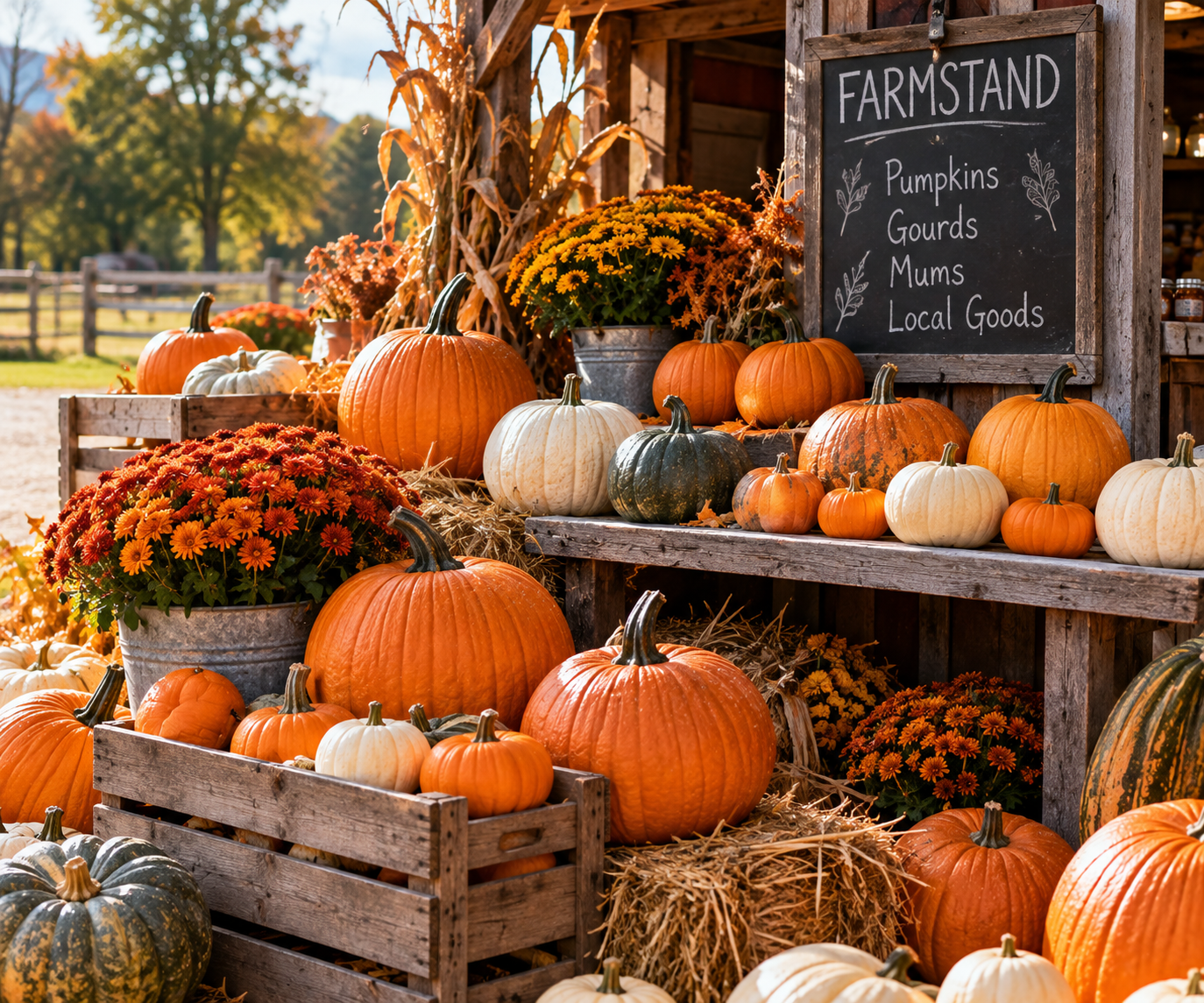
22. Create a Farmstand Pumpkin Display
Use different shapes and sizes to create a simple harvest display around a roadside stand or porch. Keep pumpkins intended for eating clean and protected from contamination.
23. Use Pumpkins for Homeschool Activities
Whole pumpkins are perfect for supervised counting, weighing, measuring, estimating, drawing, and fall science activities. If you intend to eat the pumpkin later, avoid putting paints, glue, or other craft materials on edible portions.
Bonus: Feed Extra Pumpkins to Livestock
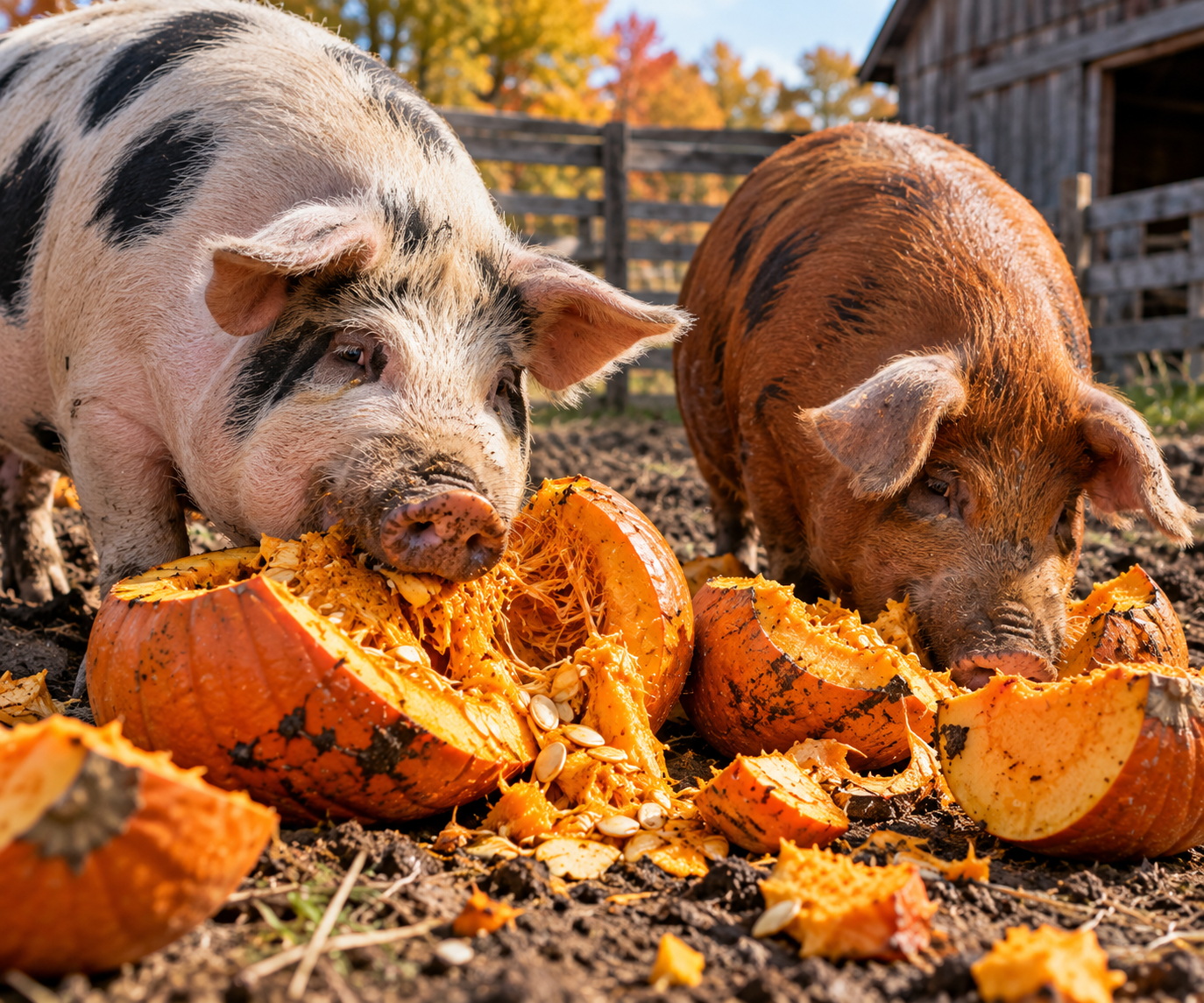
If you have more sound, fresh pumpkins than your family can use, some farm animals can enjoy pumpkin as an occasional treat. Goats, sheep, chickens, ducks, and turkeys may eat small amounts of plain pumpkin flesh, and poultry may also peck at the seeds. Offer manageable pieces appropriate for the animal so they do not choke, and introduce any new treat gradually.
Only feed clean, unspoiled pumpkins that have not been painted, bleached, coated, or used as candle-lit jack-o’-lanterns. Remove candles, decorations, and other foreign materials. Never offer moldy or rotting pumpkins, and avoid feeding large amounts that could upset digestion or displace normal feed. For goats and sheep in particular, keep hay or forage and their usual balanced ration as the foundation of the diet.
Check species-specific feeding advice before offering pumpkin to rabbits or horses, especially animals with health or dietary concerns. When in doubt, ask your veterinarian or livestock nutrition professional.
24. Share Extra Pumpkins
Give sound edible pumpkins to friends, neighbors, family members, or organizations that accept homegrown produce. Sharing them early is better than waiting until they begin to spoil.
25. Keep Notes for Next Year’s Pumpkin Patch
Record which varieties produced well, which stored best, which your family actually ate, and how many plants you grew. Next year’s planting plan will be much easier.
What Can You Do With Giant Pumpkins?
Large pumpkins vary in eating quality. Some are bred primarily for carving or exhibition rather than flavor. If yours is an edible variety, sound, and safely handled, you may still be able to use the flesh in soups, baked goods, or other cooked recipes, although it may be more watery or fibrous than a pie pumpkin.
Can You Freeze Pumpkin?
Yes. Freezing cooked pumpkin is one of the easiest ways to preserve a large harvest. Use current instructions from a reliable food-preservation source for preparation, cooling, packaging, and freezing.
Can You Can Pumpkin?
Pumpkin needs special handling for home canning. For shelf-stable pumpkin or winter squash, follow a current scientifically tested pressure-canning recipe from the USDA, National Center for Home Food Preservation, or a university cooperative extension program. Tested home-canning guidance is for appropriately prepared pumpkin cubes—not mashed or puréed pumpkin. Do not water-bath can plain pumpkin, pumpkin purée, or homemade pumpkin butter.
Turn One Big Harvest Into a Fall Food Plan
You do not need to use every pumpkin the same way. Keep sound pumpkins for decorating and storage, cook a few for meals, freeze some purée, roast the seeds, bake a few treats, and share what your household cannot reasonably use.
This also fits perfectly into a garden-harvest series. If the rest of your garden is overflowing, check out our guides to 25 Things to Do With Too Much Zucchini, 25 Things to Do With Too Much Summer Squash, and 25 Things to Do With Too Many Tomatoes. You can also read our What to Do With Banana Peppers: 15 Easy Recipes.
Home food-preservation recommendations can change as testing and guidance are updated. For shelf-stable canning, freezing, and other preservation methods, use current tested instructions from the USDA, National Center for Home Food Preservation, or a university cooperative extension program.


Post your Comment About This Product