
Introduction
If you’ve ever planted banana peppers, you already know how it goes—one day you’re picking a few here and there for sandwiches, and the next your plants are overflowing with bright yellow peppers faster than you can use them. A handful of banana peppers is easy to enjoy, but a full basket (or three) can quickly turn into a “what do I do with all of these?” situation before they start to soften.
The good news is that banana peppers are incredibly versatile. You can pickle them for a tangy crunch, can them for long-term storage, freeze them for quick cooking later, stuff them for a hearty meal, or turn them into flavorful relishes and sweet pepper jelly. They also shine in everyday dishes like pizzas, sandwiches, pasta salads, and skillet dinners, making them one of the most useful garden peppers you can grow.
Every summer, I find myself in the same spot—standing in the kitchen with a colander full of freshly picked banana peppers, trying to decide which jars to fill first. Some go straight into pickling brine, a few get sliced for dinner that night, and the rest are preserved for the colder months when I’m craving a taste of the garden. It’s one of my favorite parts of harvest season, but it definitely takes a little planning to keep up with the abundance.
Whether you want to preserve your banana peppers for winter or use them for dinner tonight, these banana pepper recipes will help you make the most of your harvest. Working through fruit at the same time? Check out these 25 things to do with too many pears.
Quick Answer: What Can You Do With Banana Peppers?
Banana peppers can be pickled, canned, frozen, stuffed, or added fresh to everyday meals. One of the most popular ways to preserve them is to make pickled banana pepper rings, which are perfect for sandwiches, burgers, pizza, salads, and sausage. You can also turn a large harvest into relish, pepper jelly, or marinated peppers that can be enjoyed long after gardening season ends.
Fresh banana peppers work well in stuffed pepper recipes, pasta salads, skillet meals, wraps, omelets, and homemade pizza. They can also be sliced or chopped and frozen for later use in soups, casseroles, sauces, and other cooked dishes. Because frozen peppers lose some of their crisp texture after thawing, they are usually best saved for recipes where they will be cooked.
The best method depends on how you plan to use them. Pickle banana peppers if you want a tangy, crunchy topping, freeze them if you need a fast and simple preservation method, or use them fresh in meals while they are still firm and crisp. When your plants are producing heavily, using a combination of these methods is often the easiest way to make sure none of your peppers go to waste.
Before Preserving Banana Peppers
Before you start slicing and filling jars, take a few minutes to sort and prepare your banana peppers properly. Banana peppers come in both sweet and hot varieties. Sweet banana peppers have a mild flavor, while hot banana peppers contain more heat—even though the two varieties can look very similar. When you are unsure which type you planted, check the plant label or seed packet before handling a large batch.
Wear food-safe gloves when cutting hot banana peppers. The capsaicin oil responsible for their heat can irritate your skin, eyes, and other sensitive areas. Avoid touching your face while preparing them, and wash your hands, cutting board, and utensils thoroughly afterward.
Choose fresh, firm peppers that are free from mold, decay, and large soft spots. Wash the peppers under clean running water before slicing them, then remove the stems and cut away any bruised, damaged, or blemished sections. Slightly imperfect peppers may still be usable after the damaged areas are removed, but peppers showing signs of spoilage should not be canned.
When pickling banana peppers for shelf-stable storage, use vinegar that is clearly labeled as having 5% acidity. Do not replace it with homemade vinegar or vinegar with an unknown acidity. Tested banana pepper canning recipes are specifically developed using vinegar of this strength.
Most importantly, follow a tested canning recipe from a trusted source. Do not reduce the amount of vinegar, increase the water, or add more peppers, onions, garlic, or other low-acid vegetables than the recipe allows. These changes can alter the acidity and heat penetration of the food, potentially making it unsafe for shelf-stable storage. You may be able to exchange one variety of pepper for another in certain tested recipes, but the total measured amount of peppers should remain the same.
Important Canning Safety Note
Plain banana peppers are a low-acid vegetable and must be pressure canned. Banana peppers can only be processed in a water-bath canner when they are acidified through a tested pickling, relish, or jelly recipe.
Banana Pepper Recipes for Preserving
1. Water-Bath Canned Banana Pepper Rings
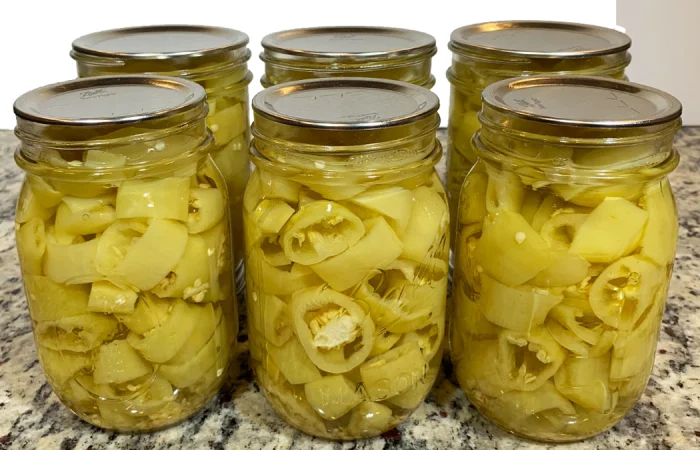
When your garden produces more banana peppers than you can eat fresh, turning them into jars of tangy pepper rings is a great way to preserve the harvest. This recipe from Preserving Guide uses a tested Ball canning recipe and walks you through preparing the peppers, making the vinegar brine, filling the jars, and processing them in a water-bath canner.
The recipe uses three pounds of banana peppers and makes approximately five pint-sized jars. Garlic adds flavor to the brine, while optional Pickle Crisp helps the pepper rings retain a firmer texture. Once canned, these peppers are perfect for piling onto sandwiches, burgers, pizza, salads, hot dogs, and Italian sausage.
Get the complete recipe and step-by-step instructions: Canning Banana Peppers from Preserving Guide
2. Sweet-and-Spicy Pickled Banana Peppers
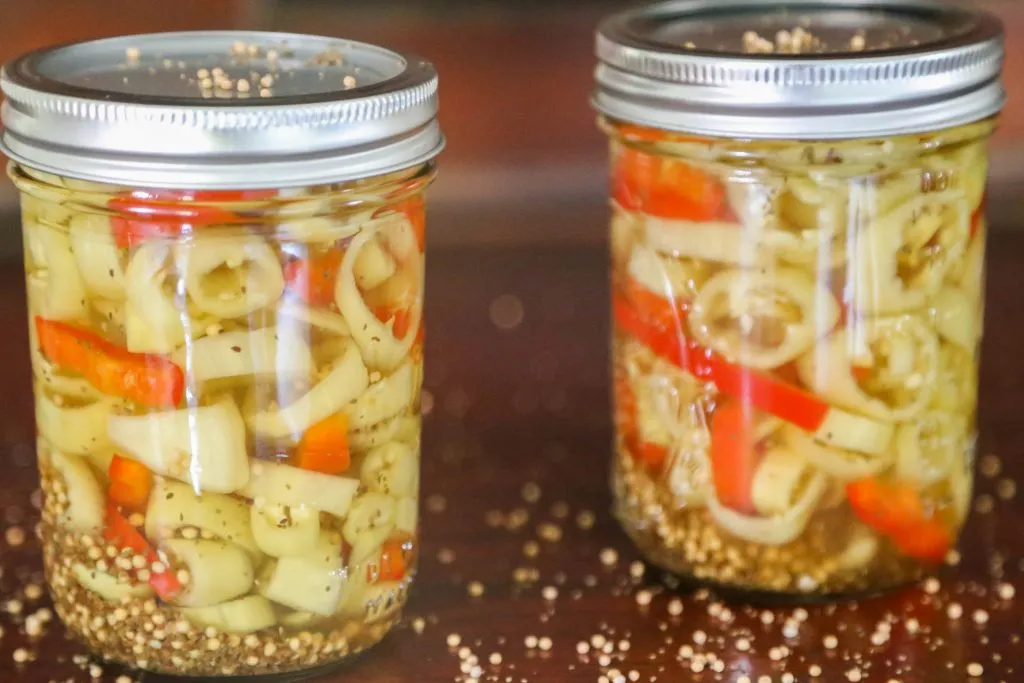
Prefer your pickled peppers on the sweeter side? These quick sweet pickled banana peppers from Cakes & Coriander combine sliced banana peppers with red bell pepper for a colorful, crunchy condiment. The simple brine is flavored with sugar, mustard seed, and celery seed, giving the peppers a sweet-and-tangy flavor that is different from traditional sour pickled pepper rings.
The recipe makes two small jars and requires only about eight minutes of cooking time. Allowing the peppers to rest for approximately one week gives them time to absorb the flavors of the brine. Try them on pizza, nachos, tuna sandwiches, Italian beef, burgers, or grilled chicken.
Because the recipe’s original sealing method does not include water-bath processing, I recommend storing these peppers in the refrigerator rather than treating them as shelf-stable canned goods.
Get the complete recipe and instructions: 8-Minute Sweet Pickled Banana Peppers from Cakes & Coriander
3. Banana Pepper Relish
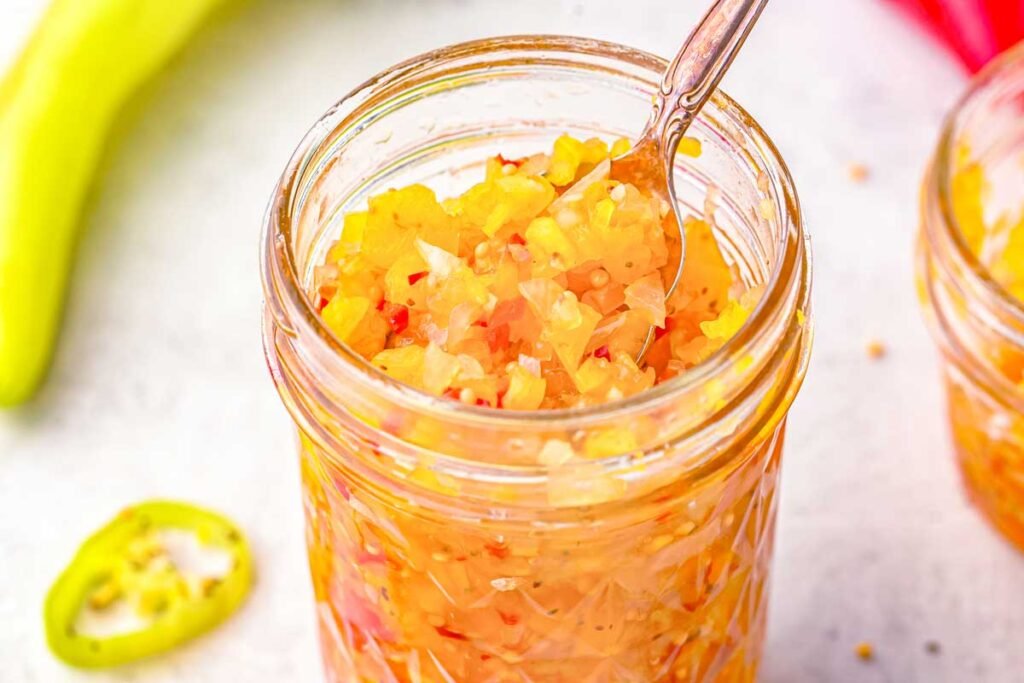
If you want a great way to use up a big harvest of banana peppers, banana pepper relish is a smart option. This recipe from Pepper Geek turns banana peppers into a flavorful relish that can be used on burgers, hot dogs, sandwiches, sausages, and even mixed into dips or potato salad. It’s a nice alternative to basic pepper rings and gives you another way to preserve and enjoy your peppers.
Relish is especially useful when your banana peppers are a little too small, curved, or awkward for neat slicing, since everything is chopped before cooking. The result is a sweet, tangy, and peppery topping that can add a lot of flavor to simple meals. If you’re looking for something a little different from standard pickled peppers, this is a great recipe to include in your banana pepper roundup.
Get the complete recipe and instructions: Banana Pepper Relish from Pepper Geek
4. Banana Pepper Jelly
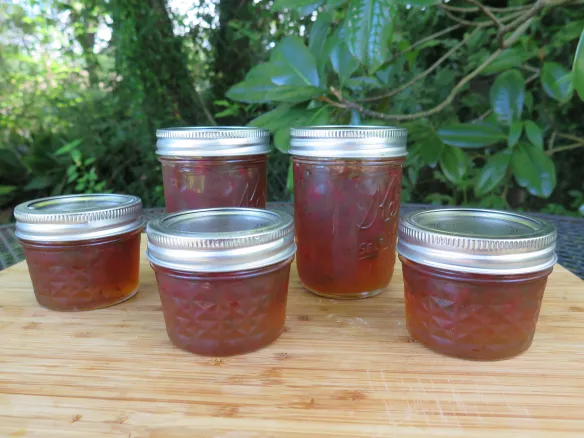
Banana pepper jelly is a sweet and tangy way to preserve mild peppers from the garden. This recipe from Beyond Gumbo combines finely chopped banana peppers with green bell pepper, apple cider vinegar, sugar, and powdered pectin. Because banana peppers are generally mild, the finished jelly has a noticeable pepper flavor without the intense heat found in many jalapeño jellies.
The recipe is based on a Sure-Jell pepper jelly formula and makes approximately six 8-ounce jars. The filled jars are processed in a boiling-water canner for 10 minutes, with adjustments needed for higher elevations. Serve the jelly over cream cheese with crackers, spread it on toast, mix it into salad dressing, or use it as a sweet pepper glaze for chicken, fish, or pork.
Get the complete recipe and instructions: Banana Pepper Jelly from Beyond Gumbo
5. Banana Pepper Mustard
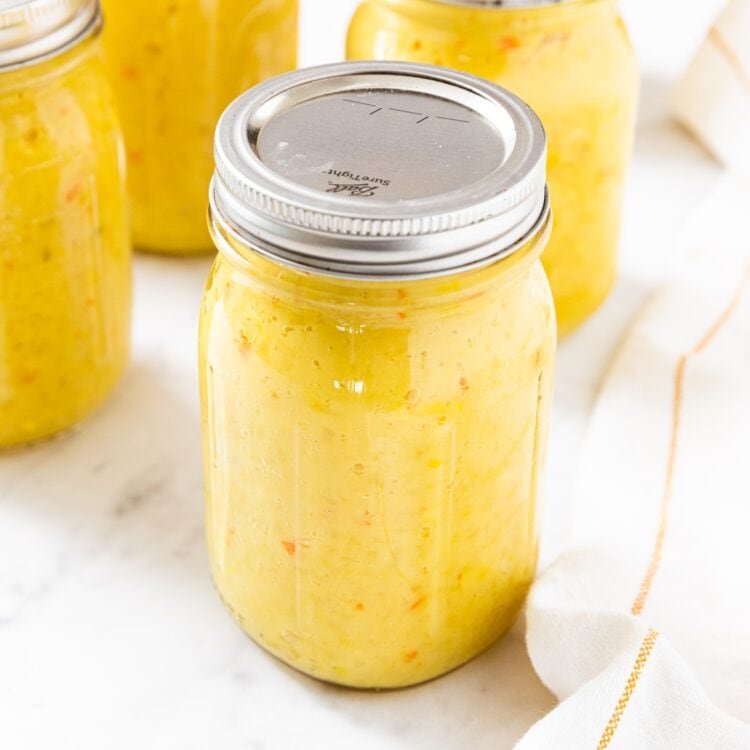
Banana pepper mustard is a sweet, tangy condiment with a smooth, spreadable consistency and just as much heat as you choose to give it. This recipe from Wyse Guide can be made with hot banana peppers, sweet banana peppers, or a combination of different peppers. Using all sweet banana peppers creates a milder mustard, while adding a hotter pepper increases the spice level.
The peppers are finely chopped and cooked with 5% white vinegar, prepared yellow mustard, sugar, and canning salt. Clear Jel is then added to thicken the mixture before it is poured into jars and processed in a boiling-water canner. The recipe makes approximately seven pints and includes altitude-adjusted processing times.
Use banana pepper mustard on brats, burgers, sandwiches, pizza, nachos, meats, or taco salads. You could also stir it into potato salad, deviled eggs, or dipping sauces when you want an extra pop of sweet, pickled pepper flavor.
Get the complete recipe and instructions: Hot Pepper Mustard from Wyse Guide
6. Candied Banana Peppers
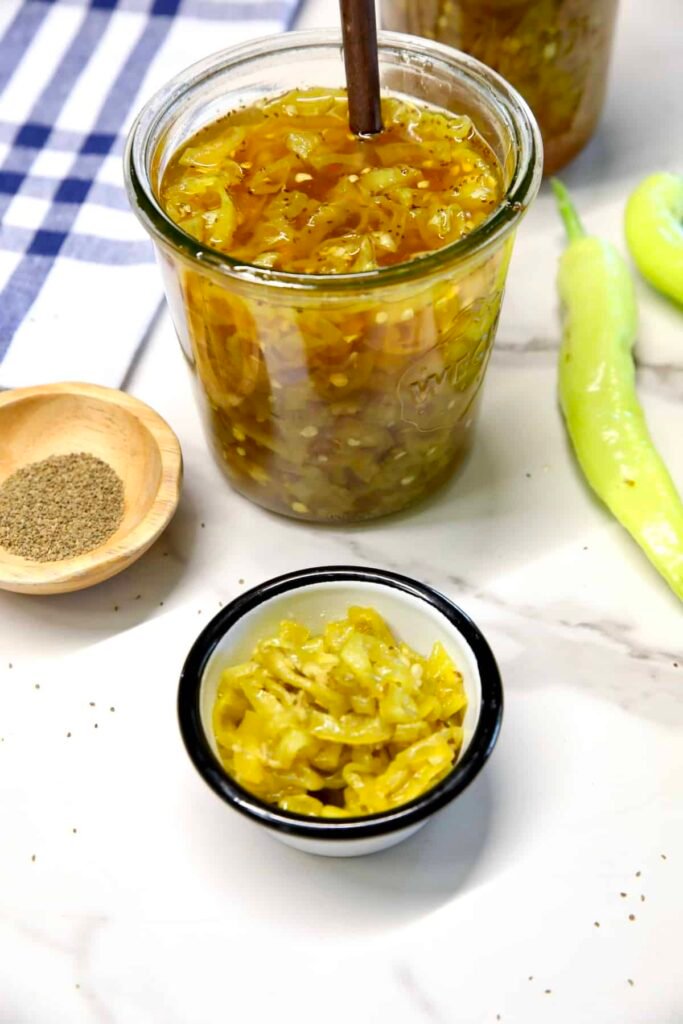
Candied banana peppers are a sweet, tangy way to preserve a large harvest while still keeping plenty of pepper flavor. This recipe from Out Grilling cooks sliced banana peppers in a syrup made with apple cider vinegar, sugar, garlic, turmeric, and celery seed. The finished peppers have a sweet-and-savory flavor with a mild kick, although the heat will depend on the banana pepper variety you use.
The recipe uses approximately three pounds of banana peppers and makes three to four pint-sized jars. The peppers can be stored in the refrigerator, or the recipe provides instructions for processing them in a water-bath canner. Their flavor continues to develop as they sit, so the recipe recommends allowing about two weeks before serving them.
Use candied banana peppers as a topping for burgers, grilled sausages, hot dogs, sandwiches, barbecue, or charcuterie boards. You can also spoon them over cream cheese and serve them with crackers for a simple sweet-and-savory appetizer.
Get the complete recipe and instructions: Candied Banana Peppers from Out Grilling
7. Banana Pepper Hot Sauce
8. Frozen Banana Pepper Rings
Freezing banana pepper rings is one of the easiest ways to preserve extra peppers when you do not have time to can them. Unlike canned or pickled peppers, frozen banana peppers keep their fresh pepper flavor without the added vinegar. They will lose some of their crisp texture after thawing, but they still work well in cooked meals.
Wash and dry the peppers thoroughly, remove the stems, and slice them into rings. You can leave the seeds inside or remove them, depending on your preference. Spread the rings in a single layer on a baking sheet and freeze them until firm before transferring them to a labeled freezer bag or airtight container. Freezing them separately first helps prevent the rings from sticking together in one large clump.
Add frozen banana pepper rings directly to pizza, soups, casseroles, scrambled eggs, pasta sauce, sausage skillets, or other cooked dishes. There is usually no need to thaw them first. Because the texture becomes softer after freezing, they are better for cooking than for using as a crisp sandwich topping.
9. Sausage and Cheese Stuffed Banana Peppers
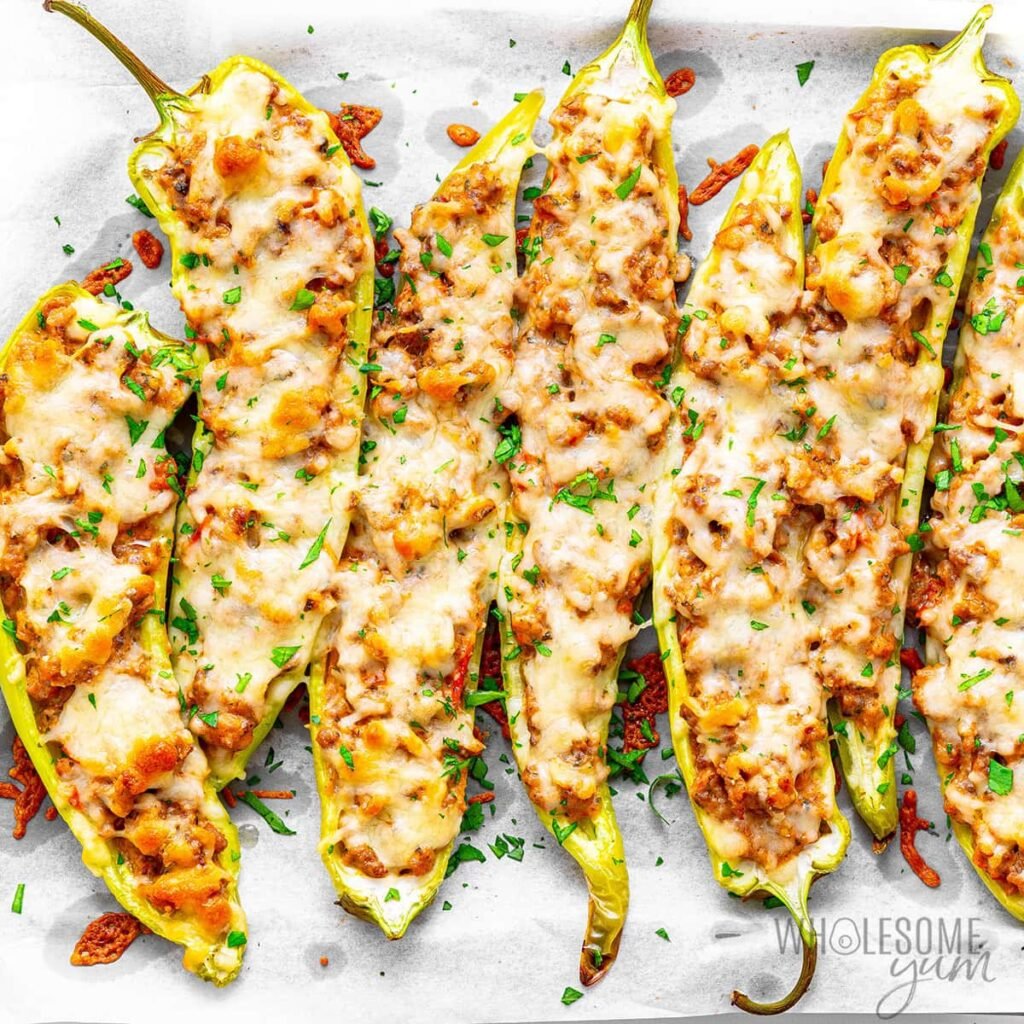
Stuffed banana peppers turn your garden harvest into a filling dinner rather than another condiment or topping. This recipe from Wholesome Yum fills fresh banana pepper halves with Italian sausage, garlic, tomatoes, cream cheese, Parmesan, and mozzarella. The combination creates a rich, creamy filling that balances the mild flavor of the peppers.
The recipe uses four large banana peppers and makes four servings. After the sausage filling is prepared, the peppers are stuffed, topped with mozzarella, and baked until tender and golden. The entire dish takes approximately 50 minutes to prepare and cook.
Serve these stuffed banana peppers as a light meal with a salad, roasted potatoes, rice, or crusty bread. Leftovers can be refrigerated for three to four days, and the stuffed peppers can also be assembled ahead of time or frozen for later.
Get the complete recipe and instructions: Stuffed Banana Peppers from Wholesome Yum
10. Cream Cheese Stuffed Banana Peppers
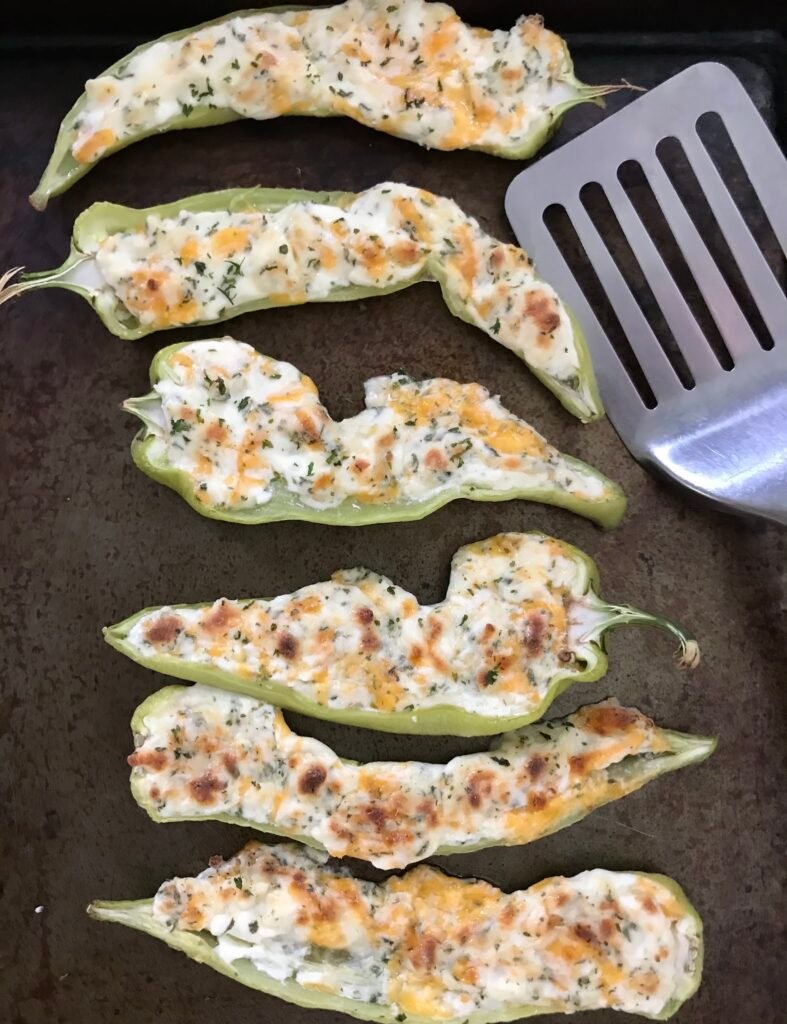
These cheese-stuffed banana peppers are a meatless alternative to the sausage-filled version. The recipe from Savory Moments fills fresh banana peppers with a creamy three-cheese mixture made from cream cheese, sharp cheddar, and mozzarella. You can use sweet banana peppers for a mild dish or hot banana peppers when you want more of a kick.
The recipe makes four servings and works well as an appetizer, side dish, or light meal. The warm, melted cheese makes these peppers satisfying without requiring meat, so they are a useful option when you need to accommodate different tastes or use just a handful of fresh peppers from the garden. Serve them alongside a salad, pasta, grilled meat, or crusty bread.
Get the complete recipe and instructions: Cheese-Stuffed Banana Peppers from Savory Moments
11. Banana Pepper Pizza

Banana pepper pizza is an easy way to turn either fresh or pickled banana peppers into a flavorful dinner. This recipe from We Are Not Martha tops pizza dough with tomato sauce, mozzarella, provolone, soppressata, red onion, and plenty of banana pepper rings. The salty meat, melted cheese, and tangy peppers create a pizza with a little bit of sweetness, acidity, and heat in every bite.
You can use mild or hot banana peppers and choose either regular or spicy soppressata, making the pizza easy to adjust for your family. The recipe takes approximately 27 minutes and makes four servings. Be sure to pat jarred pepper rings dry before adding them so the extra brine does not make the crust soggy.
Get the complete recipe and instructions: Banana Pepper Pizza from We Are Not Martha
12. Italian Sausage and Banana Pepper Skillet
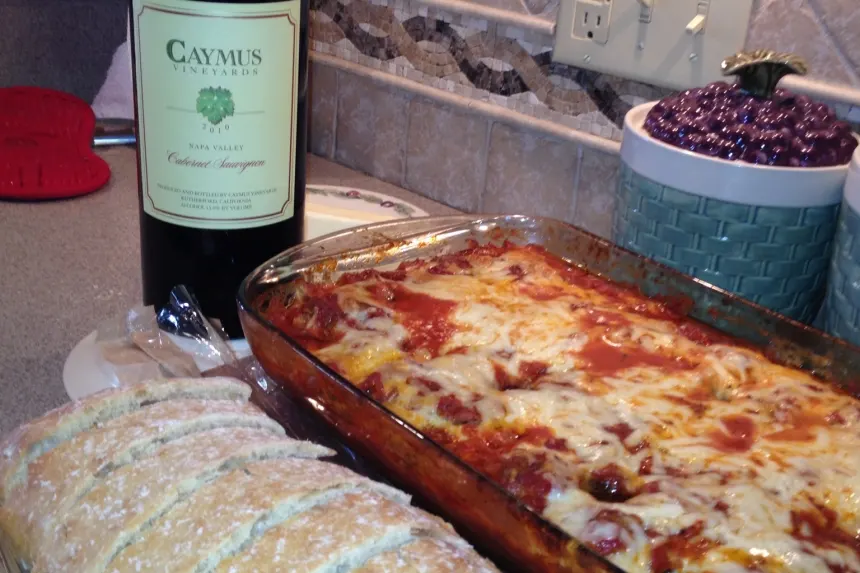
This sausage-stuffed banana pepper hotdish is a hearty option for turning a large pepper harvest into a complete family meal. The recipe from Food.com uses 10 large banana peppers filled with a mixture of hot and sweet Italian sausage, Parmesan cheese, breadcrumbs, egg, Worcestershire sauce, and cayenne pepper.
The stuffed peppers are baked in a homemade tomato sauce flavored with onion, celery, garlic, basil, and oregano. Unlike simpler stuffed pepper recipes, this version uses two pounds of sausage and plenty of sauce, giving it the feel of an Italian-style casserole. The recipe serves approximately five people and takes about two and a half hours from start to finish.
Serve the peppers on their own or pair them with pasta, garlic bread, or a fresh salad. Any extra sausage filling can also be shaped into meatballs and baked alongside the peppers.
Get the complete recipe and instructions: Sausage-Stuffed Banana Pepper Hotdish from Food.com
13. Banana Pepper Chicken
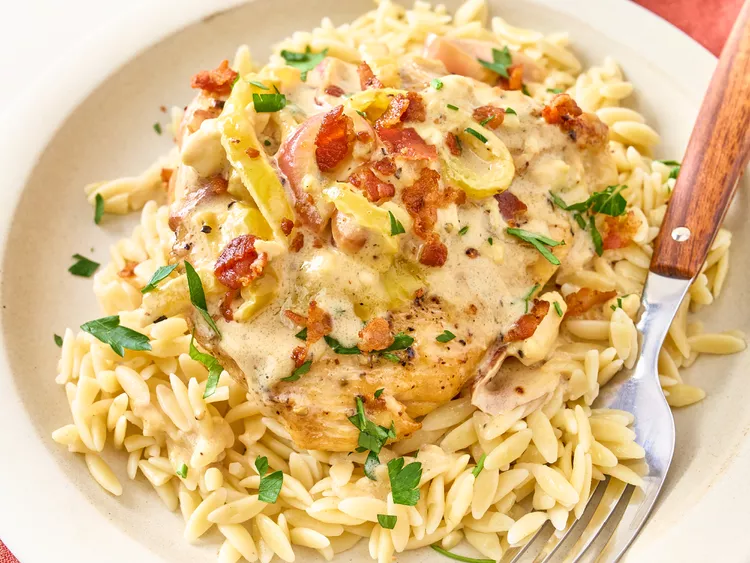
Creamy banana pepper bacon chicken is a quick skillet dinner that puts pickled banana pepper rings—and some of their brine—to good use. This Allrecipes dish combines pan-seared chicken breasts with crispy bacon, red onion, banana peppers, heavy cream, and feta cheese. The pepper brine cuts through the rich sauce and gives the chicken a bright, tangy flavor.
The recipe makes four servings and takes approximately 30 minutes from start to finish. After the chicken is browned, the onions and peppers are cooked in the same skillet before the cream is added. The chicken then finishes cooking in the sauce, and crumbled bacon and feta are added before serving.
Serve this creamy chicken over orzo, pasta, rice, or mashed potatoes to soak up the sauce. It is an especially good choice when you have an open jar of pickled banana peppers in the refrigerator or want a dinner recipe that uses your home-preserved pepper rings.
Get the complete recipe and instructions: Creamy Banana Pepper Bacon Chicken from Allrecipes
14. Banana Pepper Pasta Salad
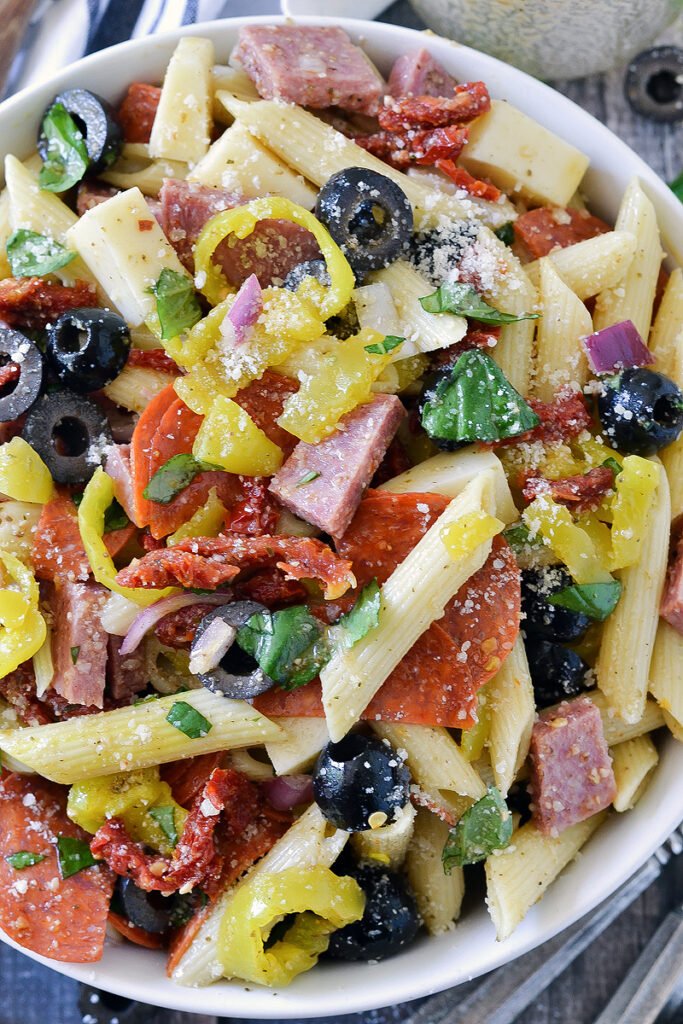
This Italian pasta salad is a flavorful way to use banana pepper rings in a cold side dish or easy lunch. The recipe from Mother Thyme combines penne pasta with salami, pepperoni, mozzarella, sun-dried tomatoes, red onion, black olives, fresh basil, and a full cup of mild banana peppers. The tangy peppers help balance the rich meats and cheese while adding a little extra crunch.
The pasta salad is tossed with a homemade Italian dressing made from red wine vinegar, olive oil, Parmesan, Italian seasoning, garlic powder, and celery seed. The recipe makes approximately eight servings and is a great option for picnics, cookouts, potlucks, or make-ahead lunches. For the best flavor, prepare the dressing in advance and chill the assembled salad before tossing everything together.
Get the complete recipe and instructions: Italian Pasta Salad from Mother Thyme
15. Fried Banana Peppers
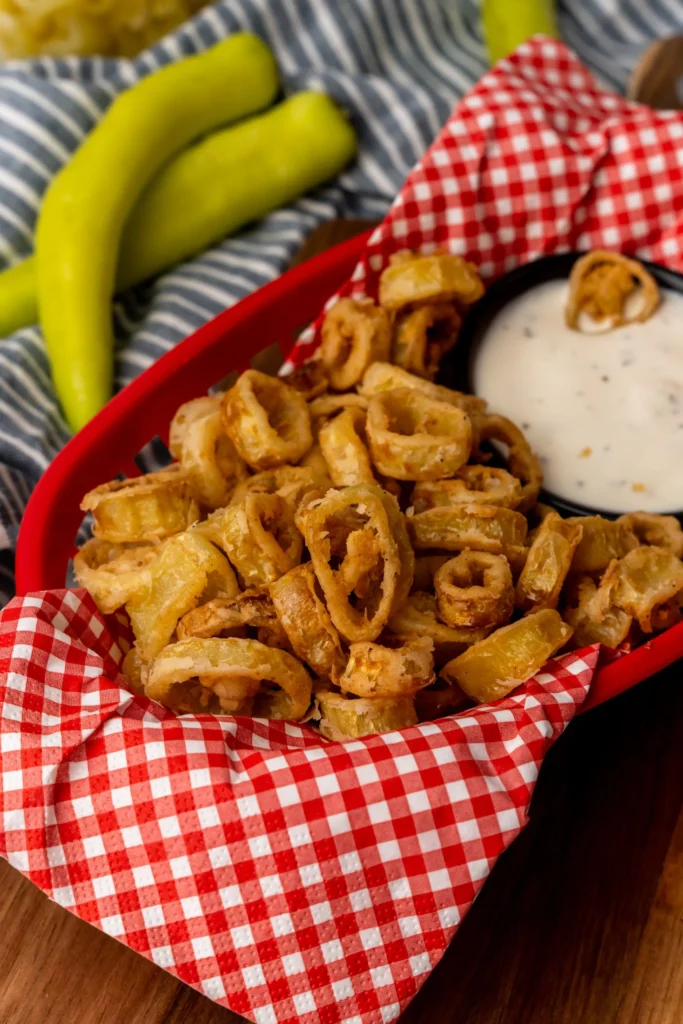
Fried banana peppers are a crispy appetizer that gives you another way to use jars of homemade pickled pepper rings. This recipe from 4 Sons ‘R’ Us coats well-drained pickled banana peppers in a simple mixture of flour and seasoned salt before frying them until golden and crunchy. The result is similar to fried pickles, with a tangy center and crisp outer coating.
The recipe takes about 30 minutes and uses four cups of pickled banana pepper rings. Be sure to drain the peppers thoroughly before coating them, since excess brine can prevent the flour from sticking and cause the hot oil to splatter. The peppers are fried in batches to keep them crisp instead of overcrowding the pan.
Serve fried banana peppers warm with ranch or another dipping sauce. They can also be used as a crunchy topping for burgers, hot dogs, salads, tacos, nachos, chili, or sandwiches.
Get the complete recipe and instructions: Fried Banana Peppers from 4 Sons ‘R’ Us


Post your Comment About This Product