
Introduction
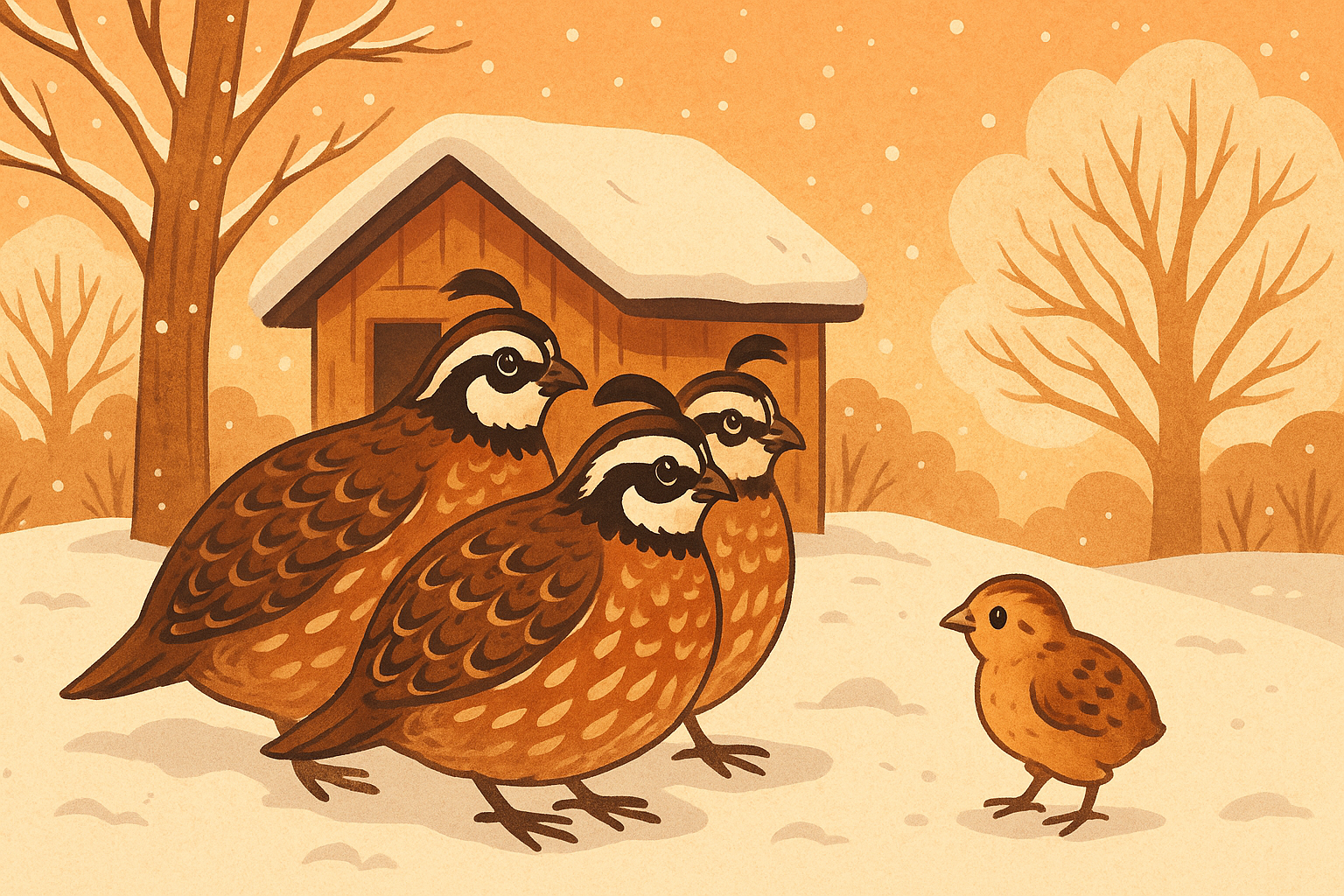
Winter is one of the toughest times for any homesteader, especially when it comes to keeping livestock healthy and productive. Quail, like chickens, need some extra care during the colder months. In this post, we’ll cover everything you need to know about raising quail through winter—so you can keep your birds happy, your eggs coming, and your homestead running smoothly no matter how low the temperatures drop.
Understanding Winter Challenges for Quail
Raising quail in winter presents unique challenges that go beyond just throwing an extra layer of bedding into the cage. Unlike larger livestock, quail are small, sensitive, and heavily impacted by their environment. Cold weather brings several key issues:
- Light Cycles: Shorter days mean fewer hours of daylight, which directly impacts egg production.
- Temperature Swings: Quail tolerate cool temperatures fairly well but extended freezes can stress them or even lead to losses.
- Frozen Water: Any outdoor watering system will freeze, leaving your birds without access to clean water unless managed.
- Wind and Moisture: Drafts, sleet, or damp conditions are harder on quail than cold alone. A dry, protected enclosure is critical.
- Predator Pressure: In the snow, predators like raccoons and foxes get hungrier and bolder. Weak spots in your quail housing are easier for them to exploit in the winter.
The bottom line: winter quail care is about preparation, consistency, and constant monitoring. The more proactive you are now, the fewer surprises you’ll face once the snow and ice set in.
Light and Egg Production
Quail require 14–16 hours of light per day to keep laying consistently. Without it, they’ll slow down or stop completely, just like chickens.
Lighting Tips for Winter:
- Choose the Right Bulb: A simple LED or fluorescent shop light works well. No need for heat lamps if your housing is insulated.
- Timers Are Your Friend: Set a timer so lights come on before sunrise and after sunset to ensure consistent daylight hours.
- Gradual Adjustments: Don’t shock your quail by adding six hours of light overnight. Increase lighting in small increments (15–30 minutes at a time) until you hit the 14–16 hour mark.
- Placement Matters: Hang lights above or slightly outside cages to spread light evenly. Make sure no dark corners are left where quail might retreat and stop laying.
A steady light schedule not only boosts egg production but also helps maintain your quail’s routine—a critical factor since quail dislike change.
Housing: Barns, Greenhouses, and Outdoor Setups
The type of housing you choose for your quail in winter largely depends on your climate. While quail can handle cold surprisingly well, the setup you use makes all the difference in their comfort and survival.
Southern States (Mild Winters):
- Outdoor pens are often fine with some wind breaks.
- Add scrap tin, tarps, or plywood panels to block wind and snow.
- Focus on airflow to prevent ammonia buildup while still keeping birds sheltered.
Snow Belt States (New York, Minnesota, etc.):
- Outdoor pens alone are not enough. Move quail into a barn, shed, or greenhouse.
- Insulate with tin, wood, or heavy plastic sheeting.
- Keep pens elevated to prevent snow from piling inside.
Wind Belt States (Great Plains):
- High winds are more dangerous than cold. Solid walls or full enclosures are necessary.
- Avoid flimsy pens—quail stress easily in constant drafts.
Universal Housing Principles:
- Dry and draft-free beats “warm but damp.”
- Quail body heat can help keep barns or greenhouses warmer if drafts are sealed.
- Predator-proofing is non-negotiable—raccoons, weasels, and even goats (yes, goats) can figure out latches.
Extra Tip: If you’re experimenting with new housing (like moving quail into a greenhouse), test the temperatures with a thermometer in fall before the deep freeze hits.
Feeding and Watering in Cold Weather
Feeding quail in winter doesn’t change much, but water management becomes a full-time consideration.
Feed:
- A complete, consistent feed is best year-round. Avoid switching blends or adding random supplements, since quail thrive on routine.
- Some keepers add a little extra protein or fat (like mealworms or black soldier fly larvae), but it’s optional. The most important thing is consistency.
- Don’t overfeed treats—quail are livestock, not pets. Too many extras can throw off nutrition and reduce egg quality.
Water:
- Water freezing is the biggest winter challenge. Automatic systems like PVC lines or nipple drinkers will freeze quickly in northern climates.
- Use small waterers you can swap out twice a day. Keep extras filled indoors so you can switch quickly.
- For short-term fixes, pour hot water over ice in drinkers, or pack snow into bowls and add a hot water jug to melt it down.
- If you have electricity, heated waterers or base heaters save significant time.
Pro Tip: Always check waterers morning and evening—quail dehydrate fast, and even a single day without water can stress the entire flock.
Hatching and Breeding in Winter
One of the most overlooked aspects of quail care in winter is hatching and breeding. Many new keepers assume it’s best to wait until spring—but winter hatching has its advantages if you’re prepared.
Why Hatch in Winter?
- Peak Productivity Timing: Quail begin laying around 6–8 weeks old. By starting hatches in late fall or winter, your new layers are ready to produce heavily in early spring when demand for eggs is high.
- Avoiding Molt Interruptions: If you hatch in October–December, your birds reach maturity in late winter or early spring and give you a full year of production before their first molt.
- Continuous Supply: A steady hatching schedule keeps replacement hens and surplus roosters coming, which is especially valuable for homesteaders who want meat on the table year-round.
Challenges of Winter Hatching:
- Brooder Heat: Without warm outdoor temperatures, you’ll rely entirely on a brooder plate or heat source indoors. Placement in a draft-free, predator-proof area is essential.
- Electricity Dependence: Power outages in winter can be deadly for young chicks. Have a backup plan (generator, battery-powered heat source, or even a propane brooder heater).
- Transport Risks: If you’re ordering hatching eggs in the mail, extreme cold can reduce fertility. Good breeders (like Jud’s Quail) monitor weather before shipping to avoid frozen or damaged eggs.
Tips for Success:
- Keep your incubator indoors where temperatures are stable.
- Don’t overload incubators—good airflow and humidity control are harder in dry, heated homes.
- Use a simple under-bed tote or plastic bin as a brooder for small batches—cheap, easy to clean, and space efficient.
- If using a greenhouse or barn brooder, insulate well and monitor with thermometers to ensure chicks stay warm without overheating.
By hatching through winter, you can maximize production cycles and ensure your homestead has meat and eggs ready for the coming year.
Small-Scale vs. Large-Scale Winter Quail Care
Not all winter quail setups look the same. The approach you take depends heavily on whether you’re a backyard homesteader with a handful of birds or a serious grower managing hundreds—or even thousands.
Small-Scale (Backyard or Hobby Flocks):
- Time Commitment: Just 15–20 minutes per day. Morning and evening checks for feed, water, and eggs are usually enough.
- Housing Flexibility: Small flocks can live comfortably in garages, sheds, or greenhouses. Easier to heat and predator-proof.
- Emergency Options: In extreme cold, you can literally bring a tote of quail into your mudroom or basement overnight.
- Focus: Eggs and the occasional meat harvest. 20–50 birds can fully supply a family with protein.
Large-Scale (Hundreds to Thousands of Birds):
- Time Commitment: Several hours per day, plus extra labor during snowstorms or freeze-ups.
- Infrastructure Needs: Full barns, multiple water systems, and backup generators are critical. Frozen pipes or power outages can be devastating.
- Challenges: Manure management, ventilation, and predator-proofing all scale up. A raccoon breaking into one pen of 20 is an annoyance—a predator breach into a pen of 200 is a major loss.
- Focus: Commercial-level production. Requires reinvestment into cages, incubators, and reliable feed storage.
Key Difference: Small flocks allow for more flexibility and hands-on problem-solving. Large flocks demand consistency, planning, and infrastructure. Both are possible in winter—but the margin for error shrinks as your operation grows.
Conclusion
Raising quail in winter doesn’t have to be overwhelming. With the right preparation—lighting, housing, feed, water, and a solid plan—you can keep your birds laying and thriving all season long. Whether you’re managing a handful in your backyard or scaling up to hundreds in a barn, the principles remain the same: protect from drafts, provide consistent light and water, and stay ahead of problems before they start.
Winter is when small oversights can become big losses. But it’s also when well-prepared keepers stand out. If you’ve put the right systems in place, you’ll not only survive the cold season—you’ll see steady eggs, healthy birds, and maybe even a jump-start on your spring hatching program.
Leave a Reply to Delicious Holiday Quail Recipes for Your Festive Table (Easy, Elegant & Perfect for Christmas) Cancel reply