
Introduction
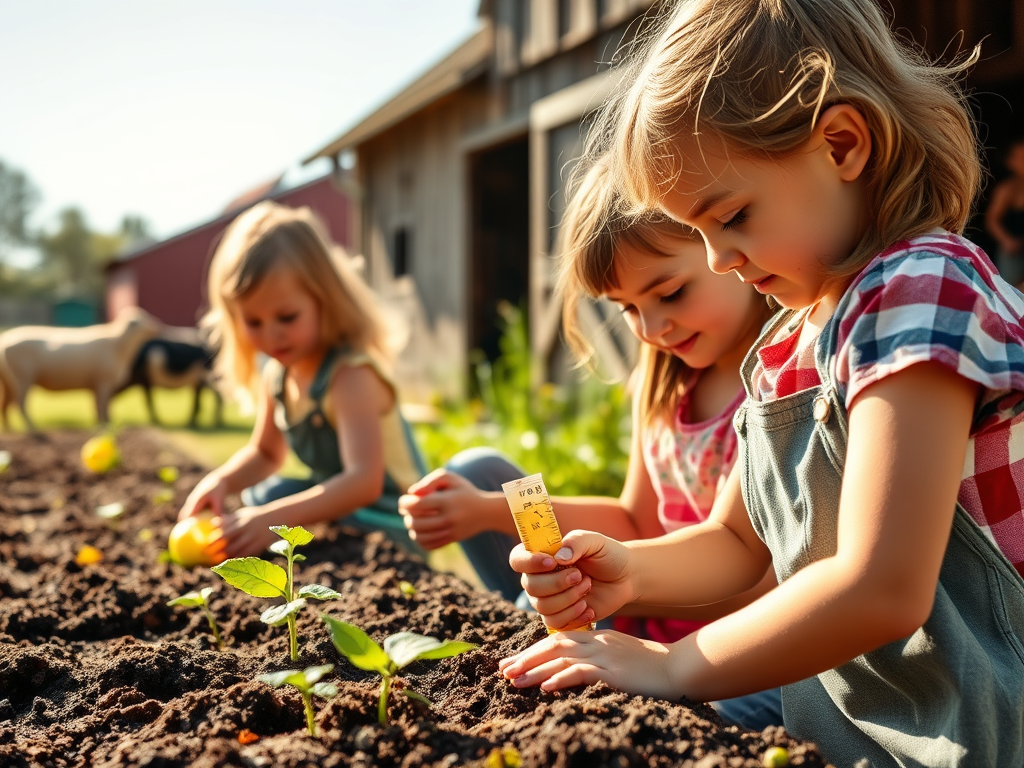
One of the best parts of raising kids on a homestead is that learning does not have to stay at the kitchen table.
I’m a homesteading mom of six, and while I do not currently homeschool, I have homeschooled in the past. These days, my kids go to public school, but that does not mean learning stops when they get home.
Honestly, some of the best lessons still happen right here on our little homestead.
The garden, barn, chicken coop, kitchen, pasture, creek, compost pile, and even our daily chores all give my kids a chance to learn in a hands-on way. They measure feed, count eggs, observe bugs, plant seeds, mix dough, track weather, build things, help with animals, and ask a million questions along the way.
And to me, that is real learning.
You do not need a fancy curriculum for every subject to teach your kids valuable skills. Sometimes the best homeschool-style lessons happen when kids are helping collect eggs, watching a seed sprout, comparing animal tracks, measuring ingredients, or figuring out why the compost pile is warm.
Whether you homeschool full-time, used to homeschool, are considering homeschooling, or simply want your kids to learn more from everyday homestead life, this list will give you simple, meaningful activities you can use throughout the year.
Why Homestead Homeschooling Works So Well
Homesteading naturally teaches kids science, math, writing, responsibility, problem-solving, observation, patience, and practical life skills.
Instead of only reading about plant life cycles, they can grow beans in the garden.
Instead of only doing math worksheets, they can measure feed, count seeds, calculate garden spacing, or double a recipe.
Instead of only learning responsibility through a lesson, they can care for animals every morning and see what happens when living things depend on them.
That does not mean every homeschool day has to be magical. Some days are muddy, chaotic, loud, and full of interruptions.
But even on those days, your kids are learning.
50 Homeschool Activities for Homestead Kids
1. Start a Seed Journal
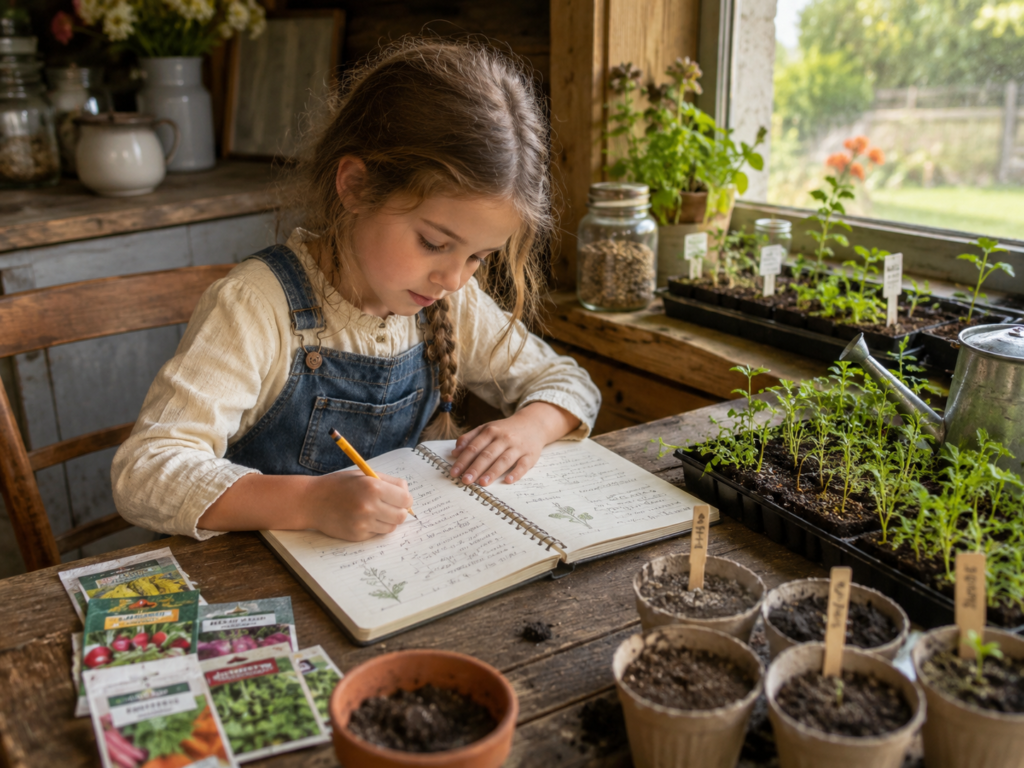
Have your kids choose a few seeds to plant and track their progress in a notebook.
They can record the planting date, watering schedule, sunlight, sprouting date, and plant growth each week. Younger kids can draw pictures, while older kids can measure the seedlings and write observations.
This is a great way to teach plant life cycles, patience, responsibility, and basic record keeping.
You can do this by using a simple notebook, or using a pre-made gardening logbook for kids.
2. Create a Garden Map
Before planting, let your kids help draw a map of the garden.
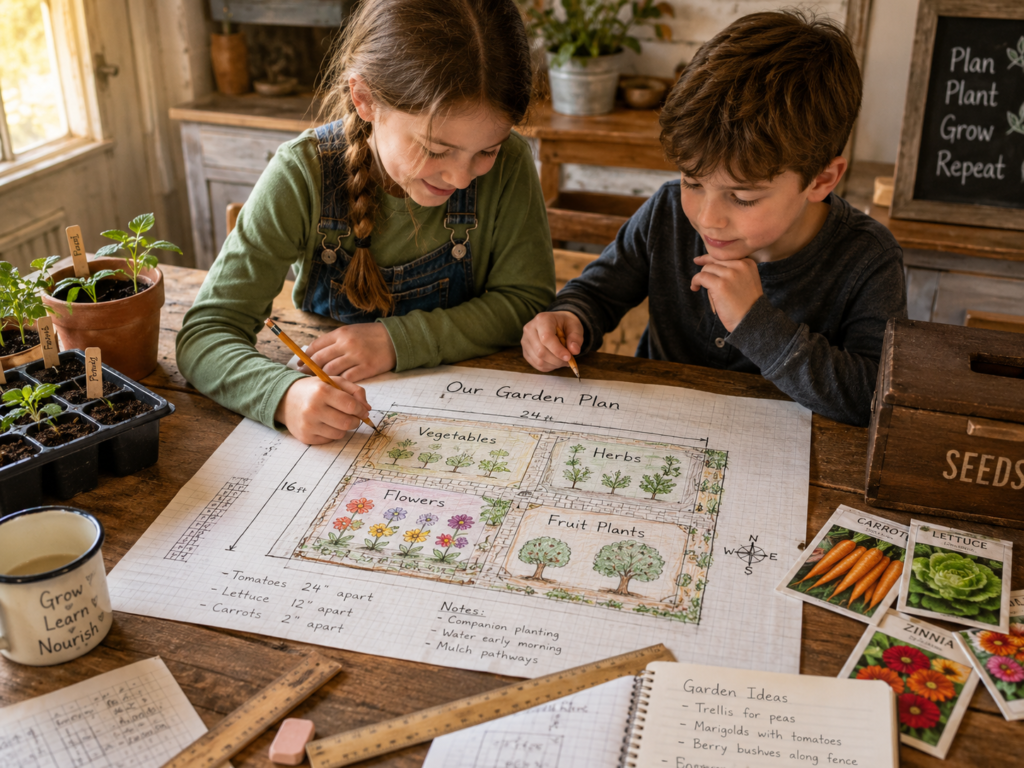
They can label where each vegetable, flower, herb, or fruit plant will go. Older kids can practice spacing, measurements, and companion planting.
This turns garden planning into a hands-on math and science activity.
3. Count and Sort Seeds
Give your kids seed packets and have them count, sort, and compare the seeds.
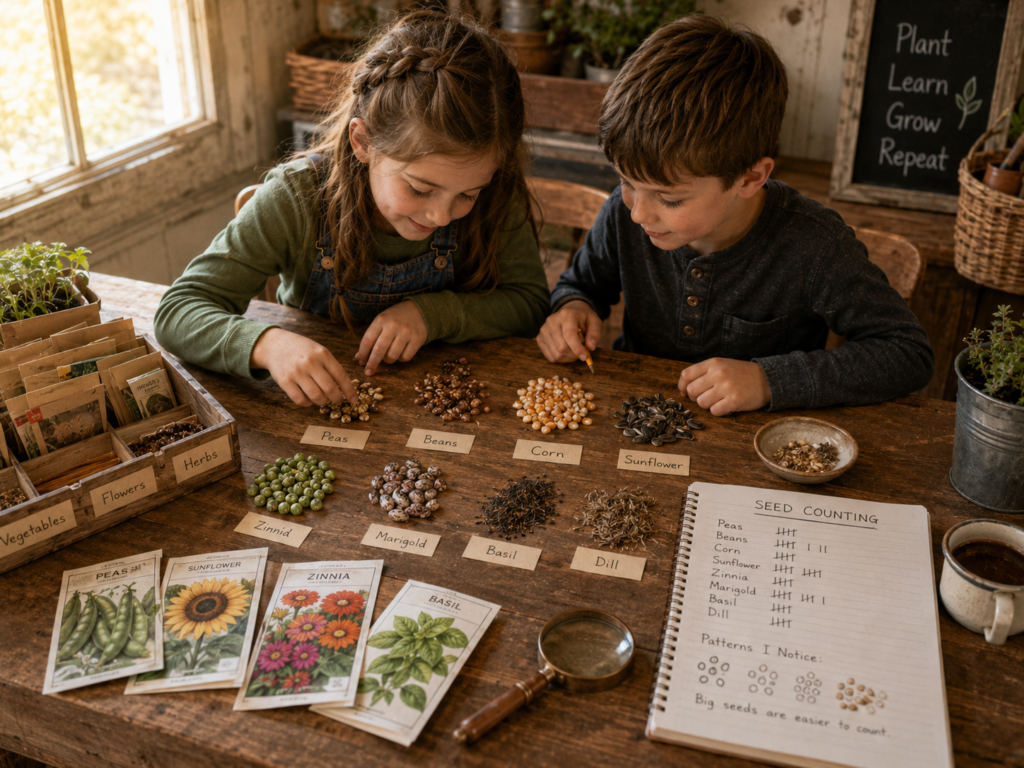
They can sort by size, color, shape, or plant type. Younger kids can practice counting and patterns. Older kids can estimate germination rates or compare how many seeds are needed per row.
4. Learn About Companion Planting
Pick a few common garden plants and research which plants grow well together.
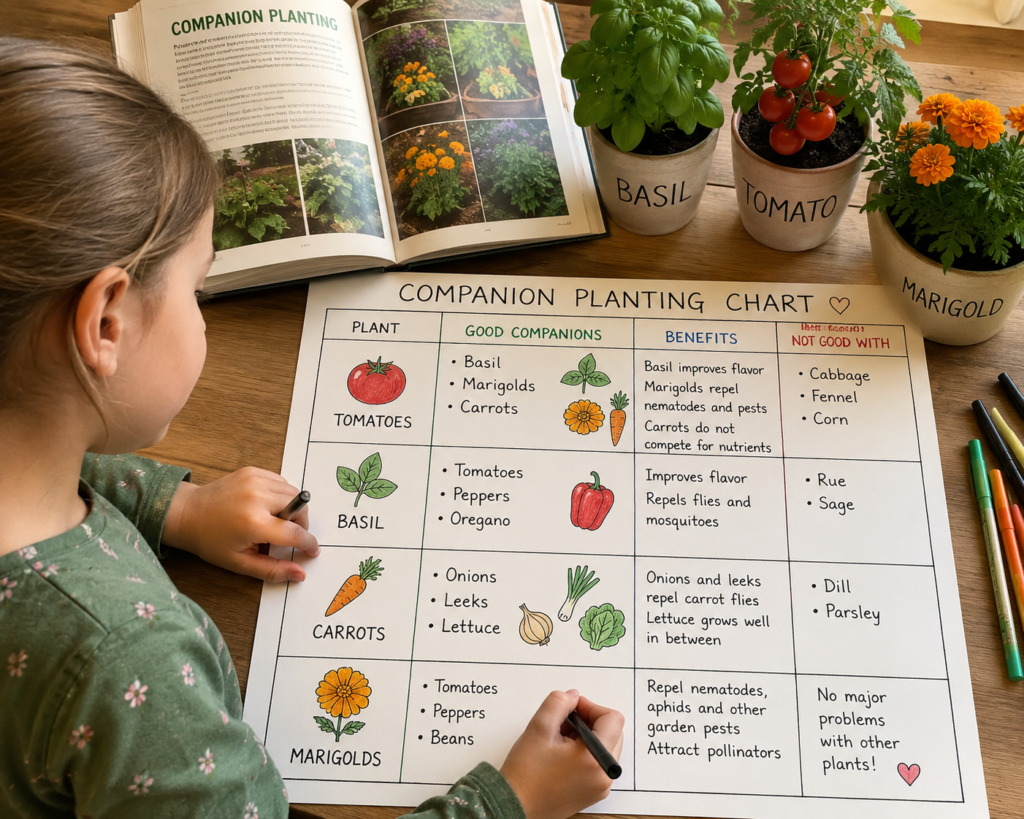
For example, kids can learn why basil is often planted near tomatoes or why marigolds are useful in the garden. Have them make a simple companion planting chart.
5. Build a Mini Herb Garden
Let your kids plant a small herb garden in pots, a raised bed, or a sunny window.
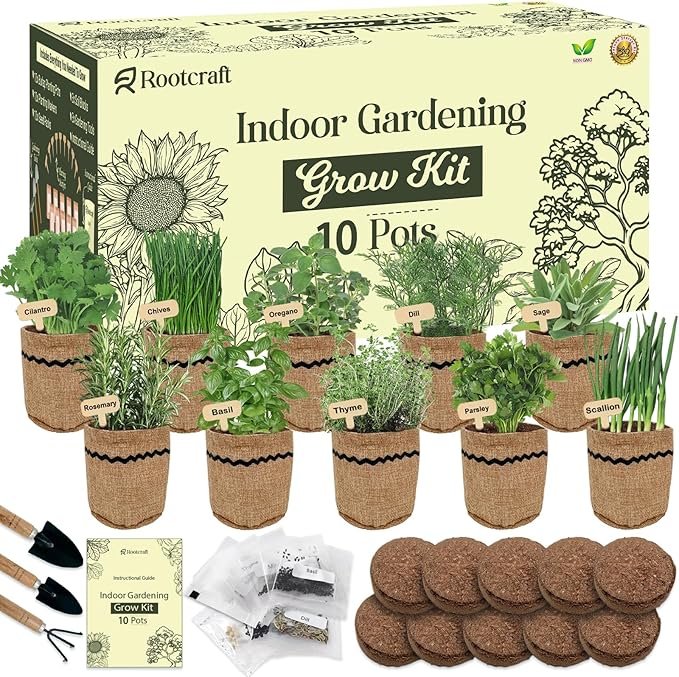
Good choices include basil, parsley, cilantro, mint, oregano, and thyme. Kids can smell, taste, water, and harvest the herbs.
This is perfect for teaching plant care and kitchen skills.
You can make your own kit with seeds, or you can get this kit from Amazon.
6. Make Plant Markers
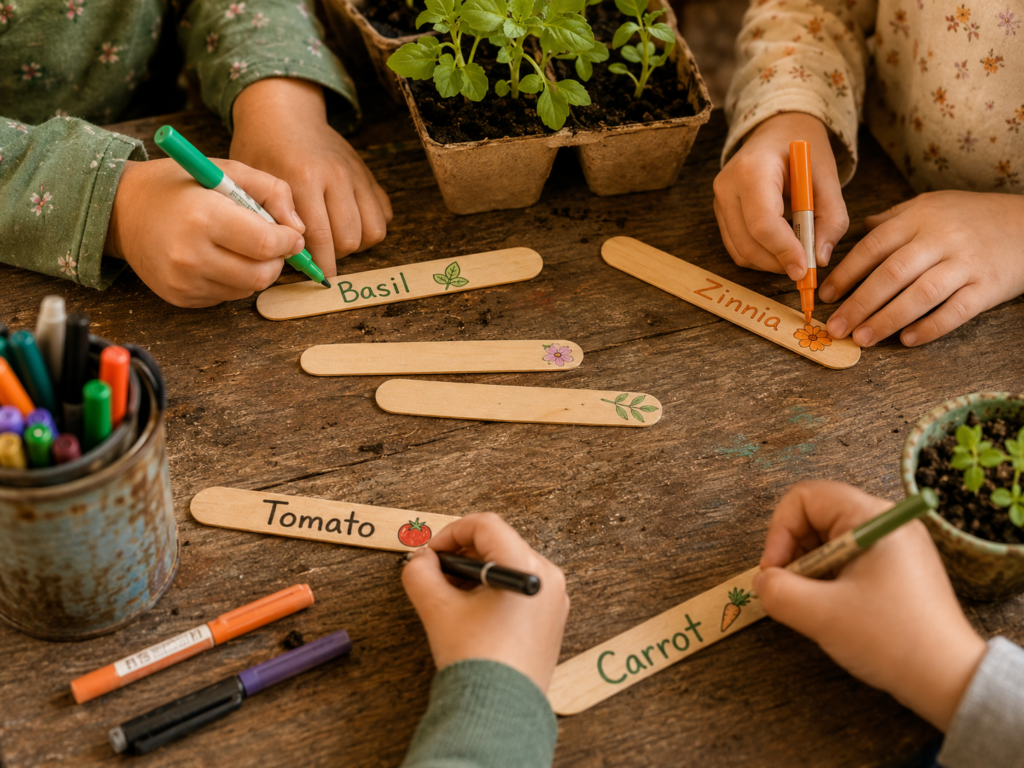
Have your kids make homemade plant markers using popsicle sticks, rocks, wood scraps, or old spoons.
They can write the plant names, decorate the markers, and place them in the garden. This combines art, spelling, and garden organization.
7. Track the Weather
Set up a simple weather chart for your homeschool week.
Kids can record the temperature, clouds, rain, wind, and frost dates. Older kids can compare weather patterns over time and learn how weather affects the garden and animals.
8. Measure Rainfall
Place a rain gauge outside or make a simple one using a clear container.
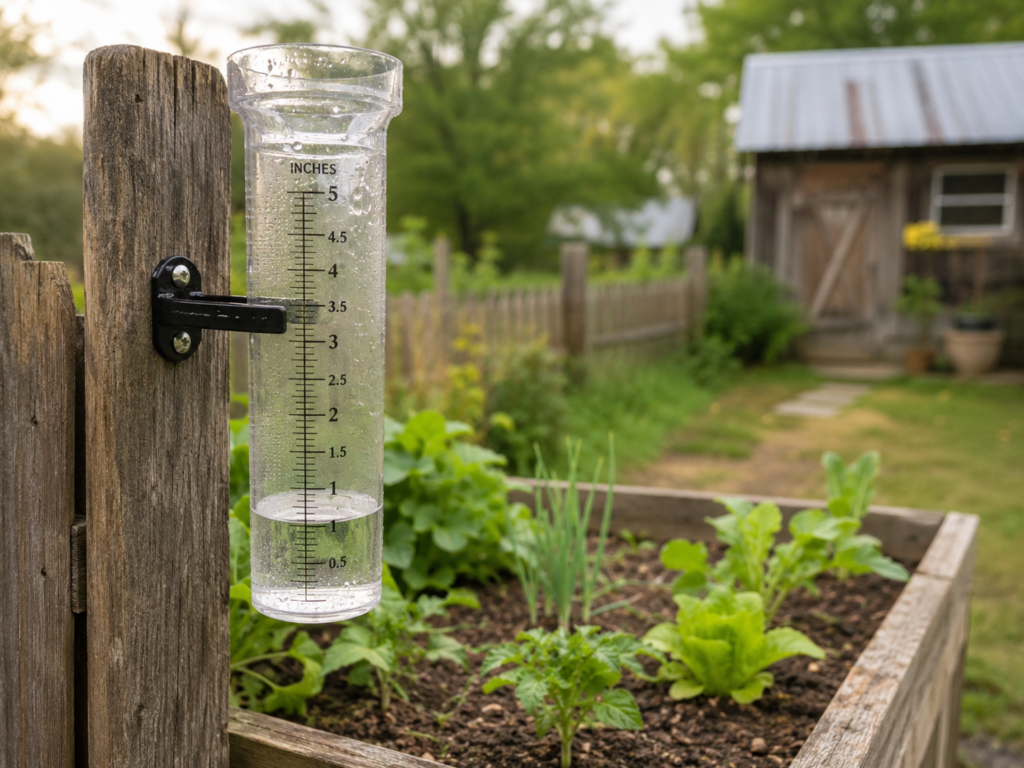
After it rains, have your kids measure how much water collected. They can record the results and compare rainfall from week to week.
This is an easy science and math activity.
Check out this affordable and easy to use rain gauge for this activity!
9. Study Soil Types
Collect soil samples from different areas of your property.
Have kids compare the color, texture, smell, and moisture level. They can test whether the soil is sandy, clay-like, or rich with organic matter.
You can also do a simple jar test by shaking soil with water and letting the layers settle.
10. Start a Compost Observation Bin
Use a clear container or small outdoor bin to observe compost materials breaking down.
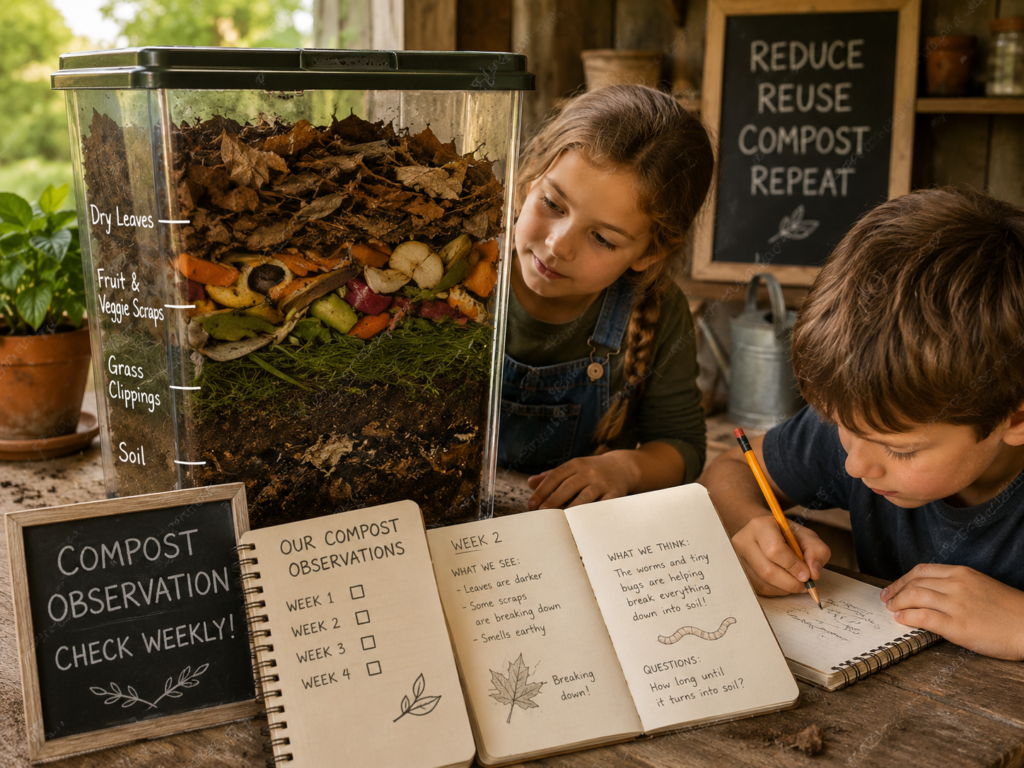
Add leaves, food scraps, grass clippings, and a little soil. Kids can check it weekly and record what changes.
This teaches decomposition, microorganisms, and waste reduction.
11. Go on a Pollinator Hunt
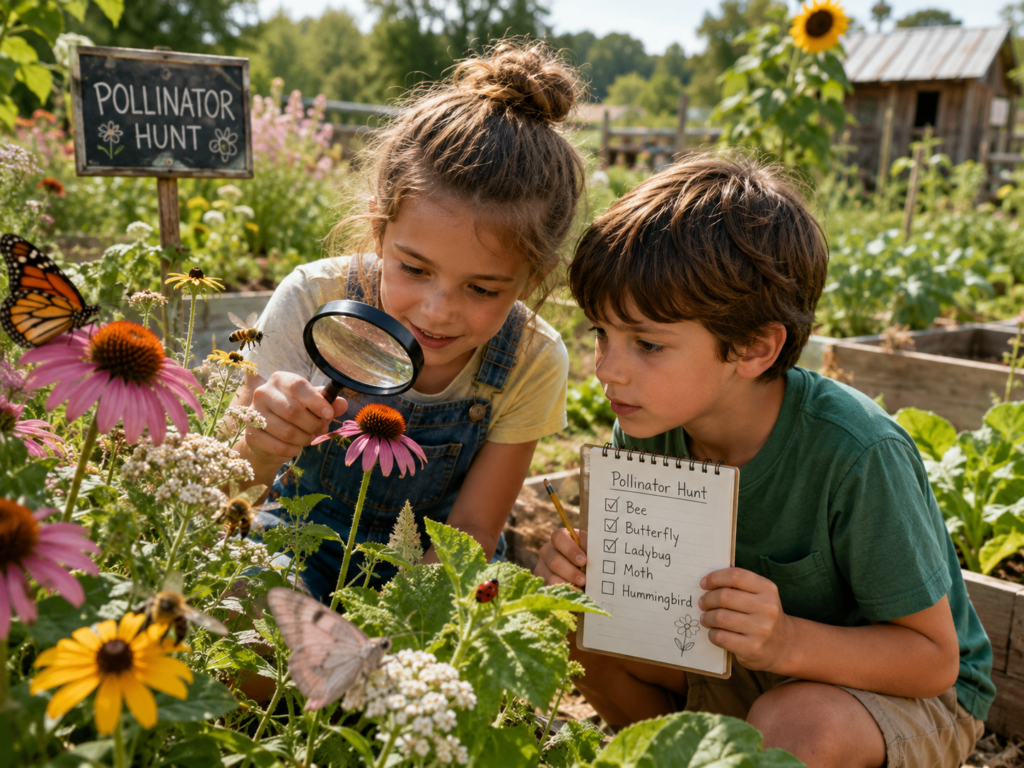
Walk around the garden or yard and look for bees, butterflies, moths, flies, and other pollinators.
Have kids draw or list what they find. Older kids can research which plants attract different pollinators.
This is a great way to connect insects with food production.
12. Make a Pollinator-Friendly Plan
After learning about pollinators, have your kids design a small pollinator patch.
They can choose flowers, herbs, or native plants that help bees and butterflies. Even a small container garden can work.
13. Observe Chicken Behavior
Have kids sit quietly near the chicken coop or run and watch what the chickens do.
They can record scratching, dust bathing, pecking, preening, laying, eating, drinking, and social behavior.
This turns normal animal care into an animal science lesson.
14. Count Eggs and Make a Chart
If you have chickens, ducks, quail, or other laying birds, let your kids track egg production.
They can count eggs each day and create a weekly or monthly chart. Older kids can calculate averages and compare production during different seasons.
15. Compare Different Types of Eggs
If you have access to different eggs, compare size, color, shell texture, and weight.
Kids can compare chicken eggs, duck eggs, quail eggs, or store-bought eggs. They can also crack them open and observe differences in yolks and whites.
16. Learn About Animal Feed
Have kids look at different types of animal feed and compare ingredients.
They can learn what chickens, goats, rabbits, ducks, pigs, or sheep eat and why different animals need different nutrition.
Older kids can research protein percentages and feed costs.
17. Measure Animal Feed
Let your kids help measure feed during chores.
They can practice fractions, scoops, weights, and daily amounts. For older kids, have them calculate how long one bag of feed lasts.
This is real-life math that actually matters.
18. Make a Chore Checklist
Create a daily or weekly homestead chore checklist with your kids.
Include feeding animals, watering plants, collecting eggs, checking fences, filling water buckets, or cleaning pens.
Kids can learn time management, responsibility, and consistency.
19. Design a Dream Chicken Coop
Have kids draw their dream chicken coop or animal shelter.
They can include nesting boxes, roosts, feeders, waterers, doors, windows, and a run. Older kids can add measurements and calculate materials.
This is a fun STEM activity.
20. Build a Simple Bird Feeder
Use pinecones, recycled containers, scrap wood, or other safe materials to make a bird feeder.
Kids can hang it outside and observe which birds visit. They can sketch the birds or keep a bird-watching log.
21. Identify Backyard Birds
Grab a bird guide or use a bird identification app with supervision.
Have kids identify birds by color, size, song, and behavior. They can make a backyard bird list throughout the year.
22. Make a Nature Table
Create a small nature display inside your homeschool area.
Kids can add feathers, leaves, rocks, flowers, bark, seed pods, pinecones, and other outdoor finds.
This gives them a place to observe and talk about seasonal changes.
23. Go on a Leaf Hunt
Have kids collect leaves from different trees and plants.
They can compare shapes, edges, colors, veins, and sizes. Older kids can identify the trees and make a leaf notebook.
24. Press Flowers and Leaves
Use heavy books or a flower press to preserve flowers and leaves.
Once dry, kids can use them for nature journals, art projects, homemade cards, or plant identification pages.
25. Create a Nature Journal
Give each child a notebook for nature observations.
They can draw plants, animals, insects, weather, garden growth, animal tracks, and seasonal changes. This is one of the simplest and most valuable homeschool habits for homestead kids.
26. Study Animal Tracks
Look for tracks in mud, snow, garden beds, or near the barn.
Have kids draw the tracks and guess which animal made them. You can compare tracks from chickens, dogs, cats, deer, rabbits, raccoons, goats, or wild birds.
27. Make a Backyard Scavenger Hunt
Create a list of things for your kids to find outside.
Ideas include something soft, something rough, something green, a feather, a seed, a bug, a smooth rock, animal tracks, a yellow flower, or a chewed leaf.
This works especially well for younger kids.
28. Learn About the Food Chain
Use your homestead as an example of food chains and ecosystems.
Talk about plants, insects, chickens, worms, predators, compost, soil, and people. Have kids draw a simple food chain or food web.
29. Observe Worms
Dig in a garden bed or compost pile and gently observe earthworms.
Kids can learn how worms help the soil, what they eat, how they move, and why they are important for a healthy garden.
30. Start a Worm Bin
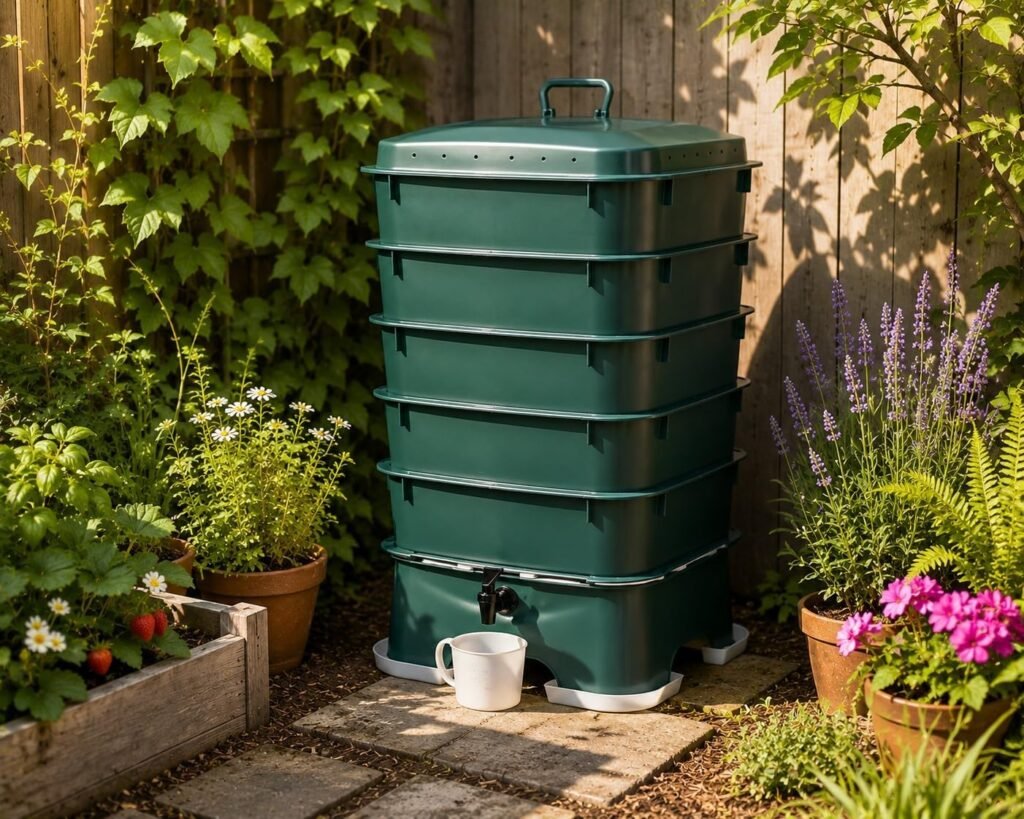
If you want a longer project, start a small worm composting bin.
Kids can feed the worms vegetable scraps, check moisture levels, and observe how food scraps turn into compost.
You can get the worm compost bin shown here.
31. Make Homemade Butter
Pour heavy cream into a jar and have kids shake it until it turns into butter.
This is a fun kitchen science activity that teaches fat separation, food history, and patience.
You can spread the butter on homemade bread for an extra win.
32. Bake Bread Together
Baking bread is full of homeschool lessons.
Kids can measure ingredients, learn about yeast, watch dough rise, knead, follow directions, and observe how heat changes food.
You can connect this to history, science, math, and life skills.
33. Cook With Garden Ingredients
Choose a simple recipe using something from your garden.
Kids can help harvest, wash, chop, measure, mix, and cook. Even a simple tomato salad, herb butter, scrambled eggs, or zucchini bread can become a full lesson.
34. Make a Recipe Math Lesson
Take a favorite recipe and have kids double it, halve it, or convert measurements.
This is a practical way to practice fractions, multiplication, division, and measurement.
35. Preserve Food in a Simple Way
Teach kids one age-appropriate food preservation activity.
They can help dry herbs, freeze berries, make refrigerator pickles, dehydrate apple slices, or label jars.
Older kids can learn about food safety, storage, and why preservation matters.
36. Create Pantry Labels
Let kids help organize and label pantry items.
They can write labels for flour, sugar, oats, rice, beans, pasta, dried herbs, or canned goods. This helps with spelling, organization, and practical household skills.
37. Plan a Homestead Meal
Have kids plan one meal using as many homegrown or homemade ingredients as possible.
They can write the menu, list ingredients, help cook, and serve the meal.
Older kids can calculate the cost of the meal.
38. Make a Farm Stand Pretend Play Setup
For younger kids, set up a pretend farm stand using play money, baskets, eggs, vegetables, or handmade signs.
They can practice counting, money, customer service, handwriting, and basic business skills.
39. Create Real Farm Stand Signs
If you sell eggs, produce, flowers, baked goods, or seedlings, let your kids help make signs.
They can practice writing clearly, pricing items, decorating signs, and thinking about what customers need to know.
40. Learn Basic Budgeting With Homestead Supplies
Pick one homestead item, like chicken feed, seeds, bedding, or canning jars.
Have older kids compare prices, calculate total costs, or figure out how many eggs or vegetables would need to be sold to pay for it.
This is a great real-life money lesson.
41. Build With Scrap Wood
Use safe scrap wood for a simple building project.
Kids can make a birdhouse, small sign, garden marker, bug hotel, or toy fence. Younger kids can help paint or decorate. Older kids can help measure and sand with supervision.
42. Make a Bug Hotel
Use sticks, pinecones, bark, hollow stems, straw, and scrap wood to create a bug hotel.
Place it near a garden or wild area and observe what insects visit.
This is a fun way to learn about beneficial insects.
43. Create a Simple Sundial
Put a stick upright in the ground and mark the shadow at different times of day.
Kids can learn how the sun moves across the sky and how people told time before clocks.
44. Learn Knots
Teach simple knots that are useful around the homestead.
Kids can learn to tie a square knot, slip knot, bowline, or basic lead rope knot. This is practical, hands-on, and surprisingly fun.
45. Practice Simple Mending
Give kids fabric scraps, buttons, and thread to practice sewing.
They can learn how to sew on a button, patch a small hole, or make a simple hand-sewn project.
This is a valuable life skill that fits perfectly with homestead living.
46. Make Homemade Soap or Salve
With adult supervision, kids can help make simple melt-and-pour soap or an herbal salve.
They can learn about herbs, measuring, melting, cooling, and labeling. Avoid lye-based soap projects with young children unless an experienced adult handles that part completely.
47. Study Seasonal Chores
Have kids make a list of homestead chores for each season.
Spring may include planting and baby animals. Summer may include watering, harvesting, and weeding. Fall may include preserving food and preparing for winter. Winter may include planning, feeding, and maintaining supplies.
This helps kids understand the rhythm of the year.
48. Create a Homestead Timeline
Make a timeline of your homestead year.
Include planting dates, expected harvests, animal care tasks, kidding or hatching dates, preserving season, hay season, frost dates, and winter prep.
This is a great way to combine planning, science, and calendar skills.
49. Interview an Older Family Member or Farmer
Have your kids interview someone who grew up gardening, farming, preserving food, raising animals, or cooking from scratch.
They can ask questions, record answers, and write a short summary.
This connects homeschool learning with family history and community knowledge.
50. Let Kids Teach a Homestead Skill
Choose one simple homestead skill your child already knows and have them teach it to someone else.
They might explain how to collect eggs, plant seeds, water seedlings, make bread, feed chickens, or identify a plant.
Teaching something helps kids build confidence and shows them how much they have already learned.
Tips for Making Homestead Homeschooling Easier
You do not have to turn every chore into a formal lesson.
Sometimes it is enough to let your kids help, observe, ask questions, and be part of the work. The lessons are already there.
Here are a few simple ways to make it easier:
- Keep a few notebooks available for nature journaling, garden tracking, and animal observations.
- Let younger kids draw instead of write.
- Give older kids real responsibilities when they are ready.
- Use your actual homestead problems as learning opportunities.
- Repeat activities in different seasons so kids can notice changes.
- Do not expect perfection. Mud, mistakes, and chaos are part of the process.
The goal is not to make homestead homeschooling look perfect.
The goal is to raise capable, curious kids who know how to work, think, observe, create, and care for living things.
Homeschool Subjects You Can Teach on the Homestead
Homestead activities can cover almost every subject.
Science: plants, animals, weather, soil, ecosystems, food preservation, composting, insects, life cycles
Math: measuring, counting, budgeting, recipes, garden spacing, egg charts, feed amounts
Writing: nature journals, chore lists, animal reports, garden records, recipes, interviews
History: food preservation, old-fashioned skills, family stories, farming traditions
Art: plant markers, pressed flowers, signs, nature sketches, handmade labels
Life Skills: cooking, cleaning, mending, budgeting, animal care, responsibility, problem-solving
When kids learn through real life, those lessons tend to stick.
Conclusion
Homeschooling on a homestead gives kids something special.
They are not just memorizing facts. They are seeing how life works in real time.
They get to plant seeds, care for animals, cook food, observe nature, solve problems, and build confidence through daily work.
Whether you have a big homestead, a backyard garden, a few chickens, or just a dream of growing more of your own food someday, these homeschool activities can help your kids learn in a hands-on, meaningful way.
Start with one simple activity this week.
Plant a seed. Count eggs. Bake bread. Watch birds. Draw the garden. Track the weather.
Those small moments add up to a rich, practical homeschool life your kids will remember.


Post your Comment About This Product