
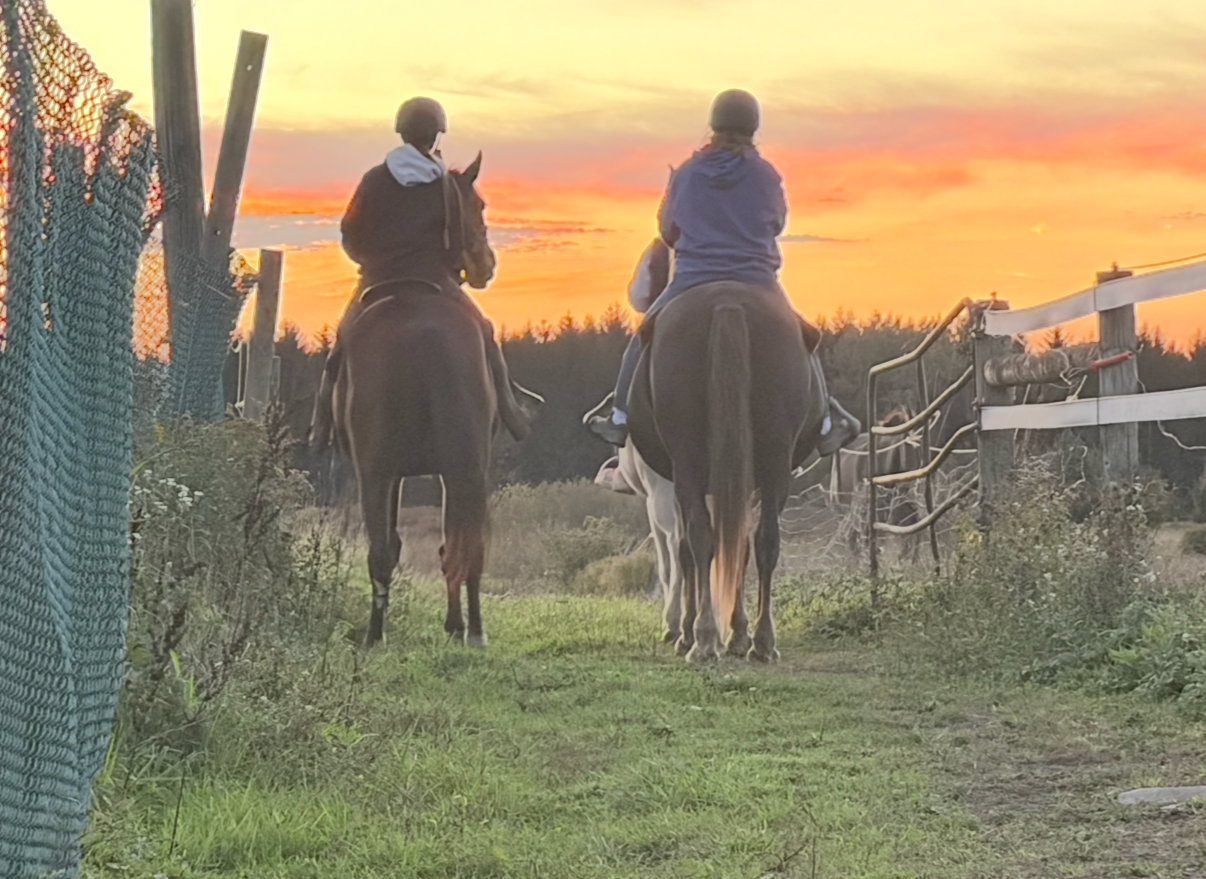
You’ve probably heard the saying, “Green on green makes black and blue.” In the horse world, the idea of an inexperienced rider owning an inexperienced horse is enough to make some people cringe.
And I get it. Horses are large animals, mistakes can be dangerous, and experience matters. But as someone who considers herself a green horse owner, I believe there’s an important part of that conversation that gets overlooked: the support you have around you.
I’m not here to convince every beginner to go buy an untrained horse. I’m here to share what I’m doing with my retired Standardbred, Tappy, what I’m learning, and why I refuse to do it alone.
Affiliate disclosure: This post contains affiliate links. If you purchase through some of these links, I may earn a commission at no additional cost to you. I only recommend resources and products based on my personal experience.
Watch My Journey With Tappy
Why I Still Consider Myself a Green Rider
I rode horses for years when I was younger, including roughly a decade of lessons and riding opportunities. But a lot of that time was spent doing barn chores in exchange for time in the saddle. It wasn’t the same as having consistent, structured instruction, and then I went about ten years without riding.
So yes, I have horse experience. But I also know I have a lot left to learn, especially when it comes to groundwork, training, and handling behavioral problems. Admitting that is a lot safer than pretending I know everything.
What My First Horse Taught Me About Safety
Tappy isn’t my first experience with a horse that needed work. My previous mare had serious behavioral issues, and the experience was frightening. I spent a long time trying to understand what was going on before veterinary testing helped identify a suspected hormone-related problem involving her ovaries.
My online trainer also raised medical concerns, which prompted me to pursue answers. That experience taught me that what looks like a training problem may also have a medical component—something that needs a veterinarian’s evaluation rather than simply more pressure or discipline.
Ultimately, I decided that mare wasn’t safe for me, and I no longer own her. I have written more about that experience in I Spent a Year Trying to Make the Wrong Horse Work and Rescue Horse Red Flags: What I Missed When Choosing My First Horse.
What kept me safer through that experience was having an excellent boarding barn and people willing to step in, give feedback, and tell me when something wasn’t right. I learned that knowing when to ask for help—or when to stop—is a vital horsemanship skill.
Meet Tappy, My Retired Standardbred
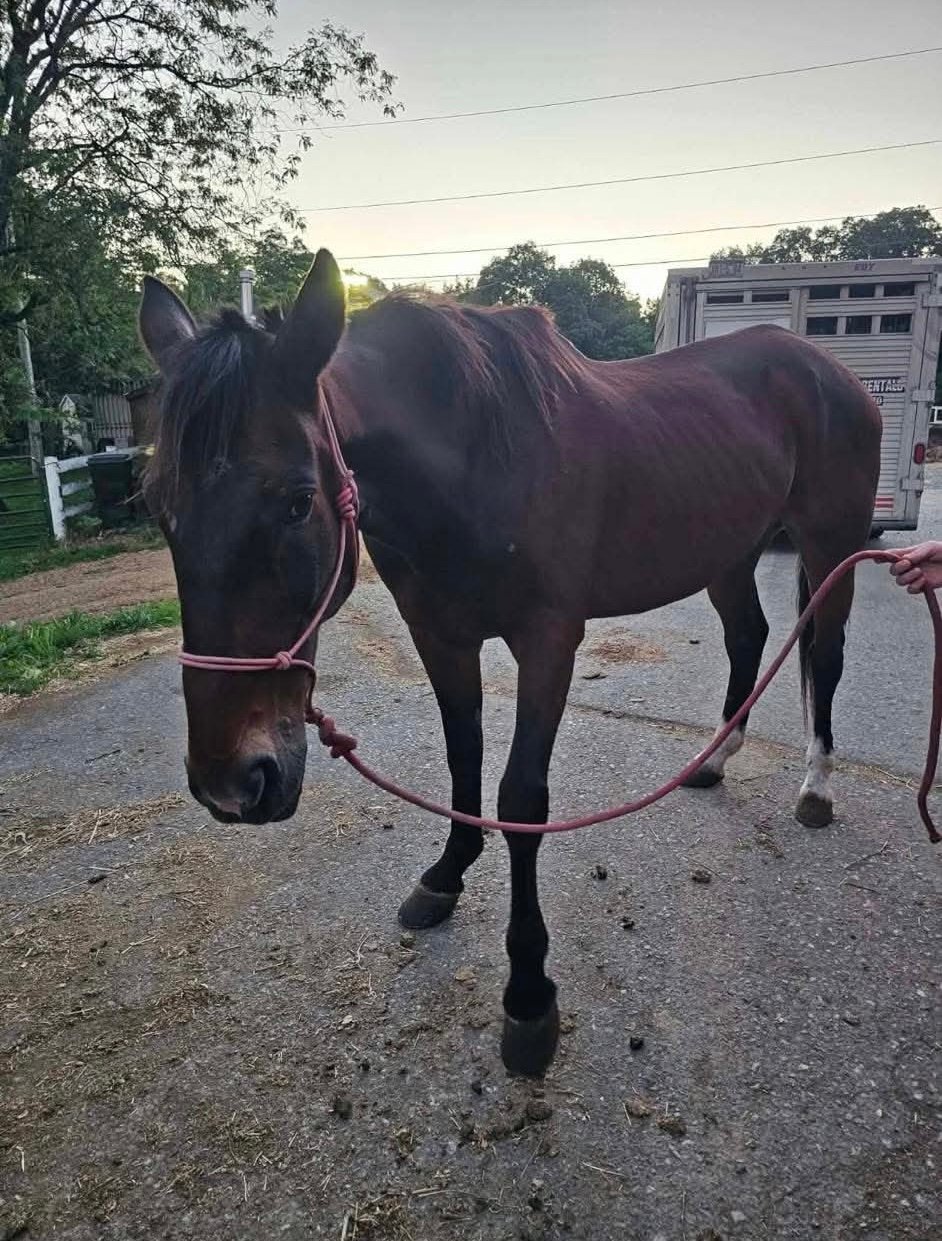
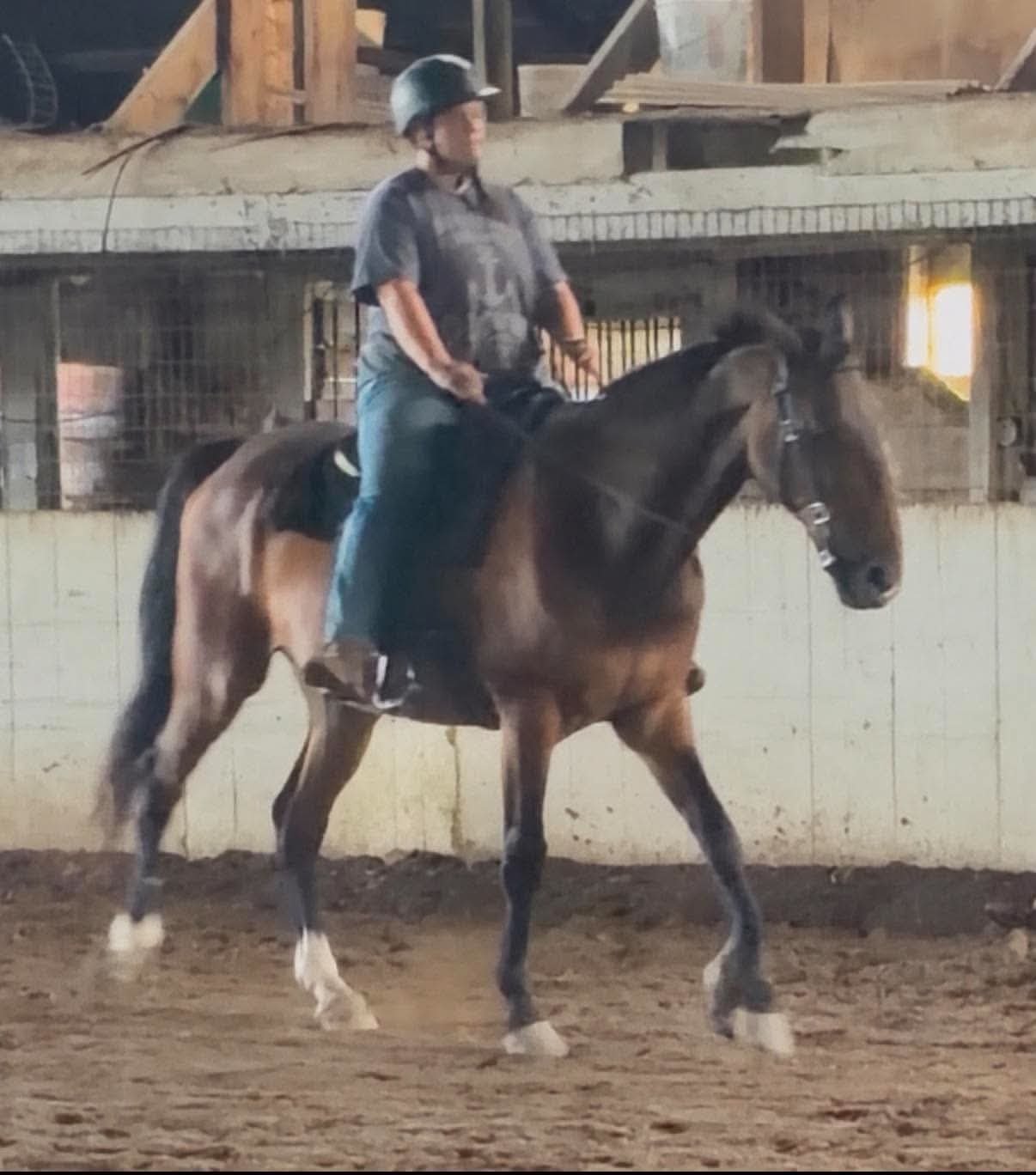
Tappy is a retired Standardbred who earned around $300,000 during his harness racing career. After racing, he spent time as an Amish buggy horse. Now he’s learning a different job with me.
He’s a good boy, but being experienced in harness doesn’t automatically mean he’s educated under saddle. When I first rode him, I discovered he didn’t have the brakes I needed. He’s forward, fast, and not especially enthusiastic about standing still.
I initially tried riding him in a bit, thinking that was what he’d be used to, but that didn’t give me the stopping response I wanted. I’m now working with a rope halter as part of the training approach my mentor teaches. You can get the Gascon halter, lead rope and reins set or get the halter only. That doesn’t mean a rope halter is automatically the right choice for every horse or situation; control, fit, training, and experienced supervision still matter.
An experienced rider recently took Tappy on a trail ride to help him gain exposure. He managed parts of it well, but when asked to stand still he also showed some resistance, including a small rear or crow hop in front. That tells me we have more homework to do before I’m ready to take him out on the trail.
My goal isn’t to rush. I’d rather spend the fall and winter making the basics solid and think about trail riding in the spring.
The Biggest Difference: Having a Trainer and a Support System
One of the biggest reasons I feel more confident working with Tappy is that I’m getting guidance from horse trainer Michael Gascon through his Horse Help Challenge. You can join the free 30-day Horse Help Challenge here.
I’ve tried different online horsemanship resources, and there are several trainers whose work I appreciate. But what has helped me most about this challenge is the structure and the feedback.
Instead of telling you to go out and somehow fix your horse, the program breaks training into small steps and levels. You start with groundwork before working up to more advanced exercises. You film what you’re doing and submit videos for feedback. A tiny correction—like changing your hand position or noticing that you’re accidentally stepping backward—can make a difference.
We also meet over Zoom for video reviews, where I can learn from the feedback on my work and other people’s horses. I’ve even attended a week-long retreat at Michael’s farm, which gave me additional opportunities to learn.
I shared more about my experience in My Honest Review of the 30-Day Horse Help Challenge and What Comes in the Horse Help Challenge Kit?.
Why I Record Almost Everything I Do With My Horse
I’ve started recording almost every training session, even the boring parts. I use a Pivo Pod, which holds my phone and helps me capture footage while I’m working around the horse.
Watching a recording shows me things I don’t necessarily notice in the moment. It also means my trainer can see what actually happened instead of relying on my description of what I think happened.
There’s another bonus: I’ve made friends through the challenge, and we regularly share clips, ask questions, and encourage each other. Having people who want to help you improve makes the process a lot more enjoyable.
If you’re curious about the filming setup, read my Pivo Pod Review for Horse Riders.
The Saddle-Fitting Struggle With a Standardbred
Training isn’t the only thing we’re working through. Saddle fit has become one of my biggest frustrations with Tappy.
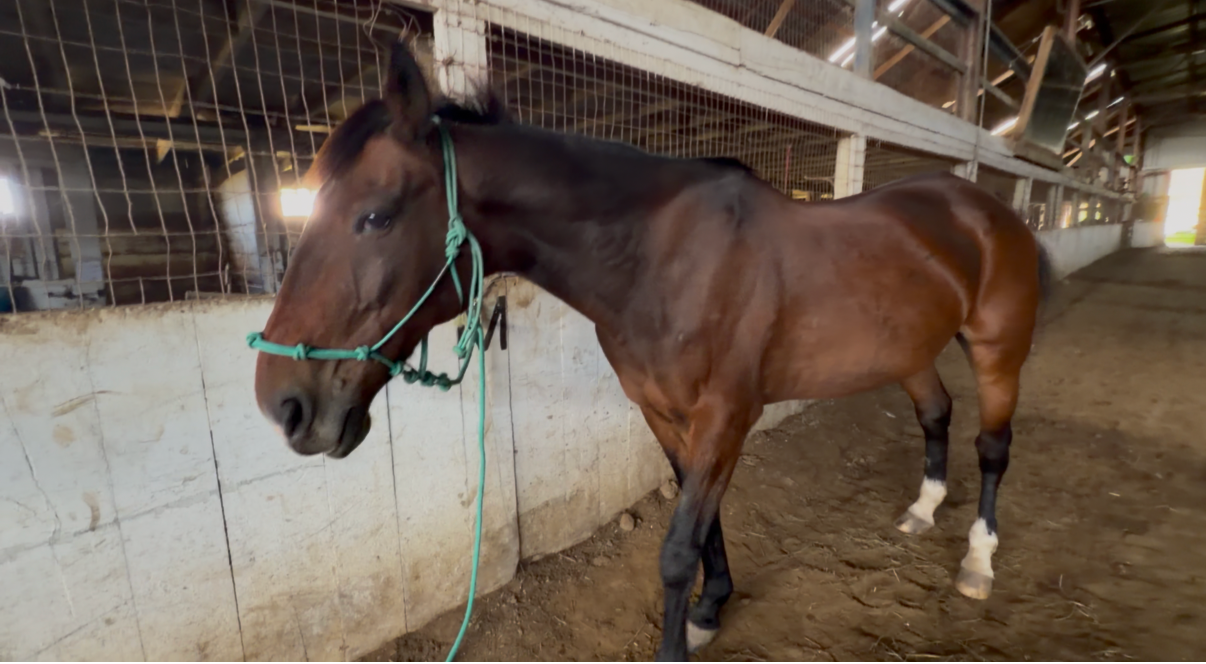
He has prominent withers, a back shape that makes fitting challenging, and a topline that still needs development. He’s made progress since I got him, but I want his equipment to work with his body as his condition changes.
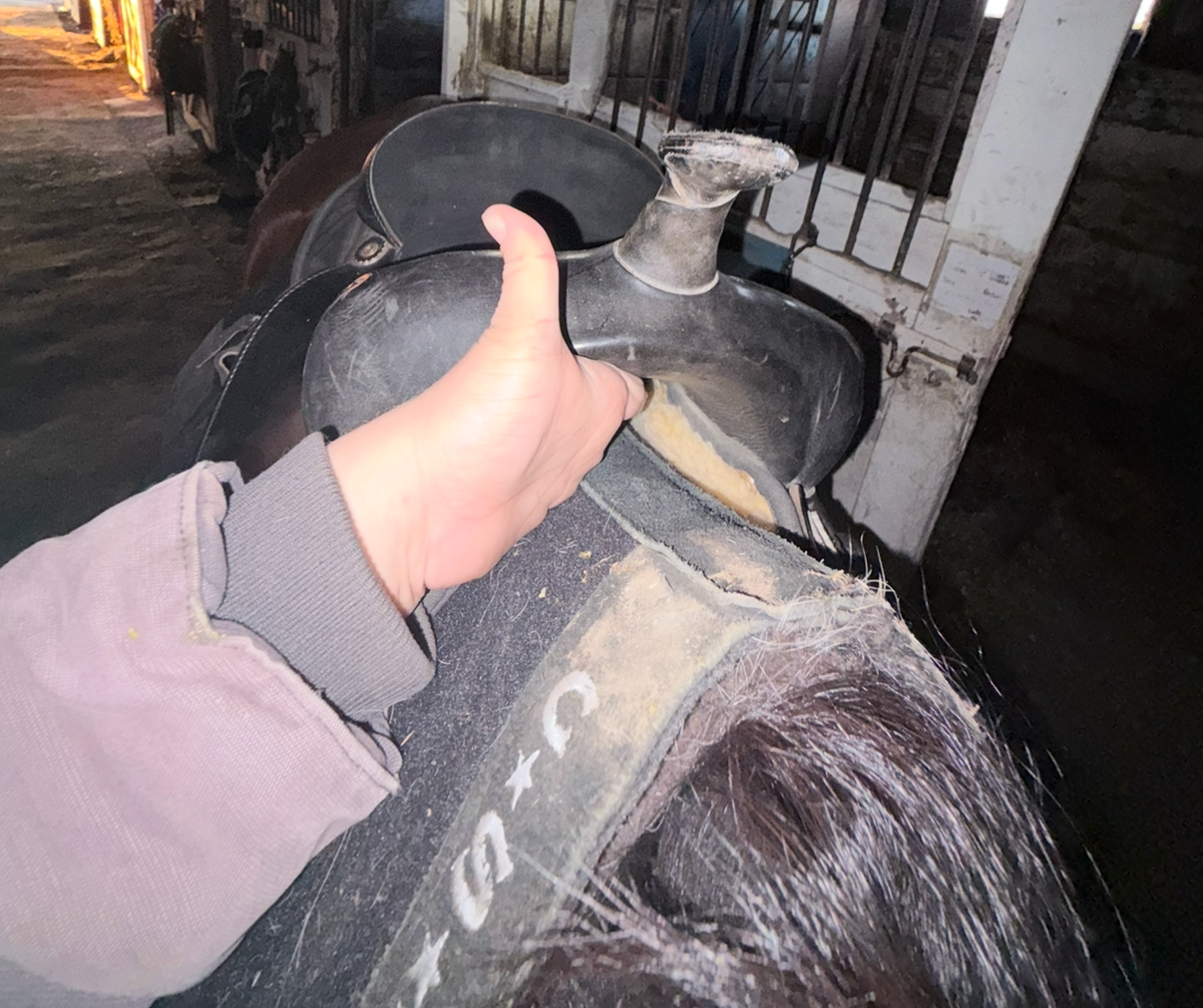
I’m currently seeking guidance from saddle-fitting professionals and talking with the team at CSI Pads about possible padding options. I’ve been impressed by how personally involved the company’s leadership has been in answering my questions.
But I also want to be careful: a pad can’t magically correct every saddle-fit problem. If the tree doesn’t fit, adding padding isn’t necessarily a solution. I want to assess the saddle itself, the pressure it creates, and Tappy’s movement rather than buying equipment and hoping for the best.
What’s frustrating is that you can talk with several saddle fitters and come away with several different recommendations. It’s hard to know whose advice to follow, especially when different people are recommending products they also sell.
I’m still figuring out the right solution for Tappy, and I won’t pretend I’ve solved it yet.
My Personal Safety Rules for Working With a Green Horse
Here’s the part I hope other developing riders take seriously: I do not assume that having an online mentor makes every situation safe.
- I don’t ride Tappy alone. If I’m at the barn by myself, I stick to activities I can manage safely from the ground.
- I wear a riding helmet. Protective equipment is important, even though it can’t eliminate the risk of injury.
- I lean on experienced people at my boarding barn. When I need someone present or need another set of eyes, I ask.
- I take warning signs seriously. A horse that doesn’t reliably stop or stand isn’t ready for me to take on a trail ride.
- I don’t push through suspected pain or saddle-fit concerns. Those deserve proper assessment, including veterinary input when needed.
- I am willing to change the plan. There’s no prize for getting on a horse before we’re ready.
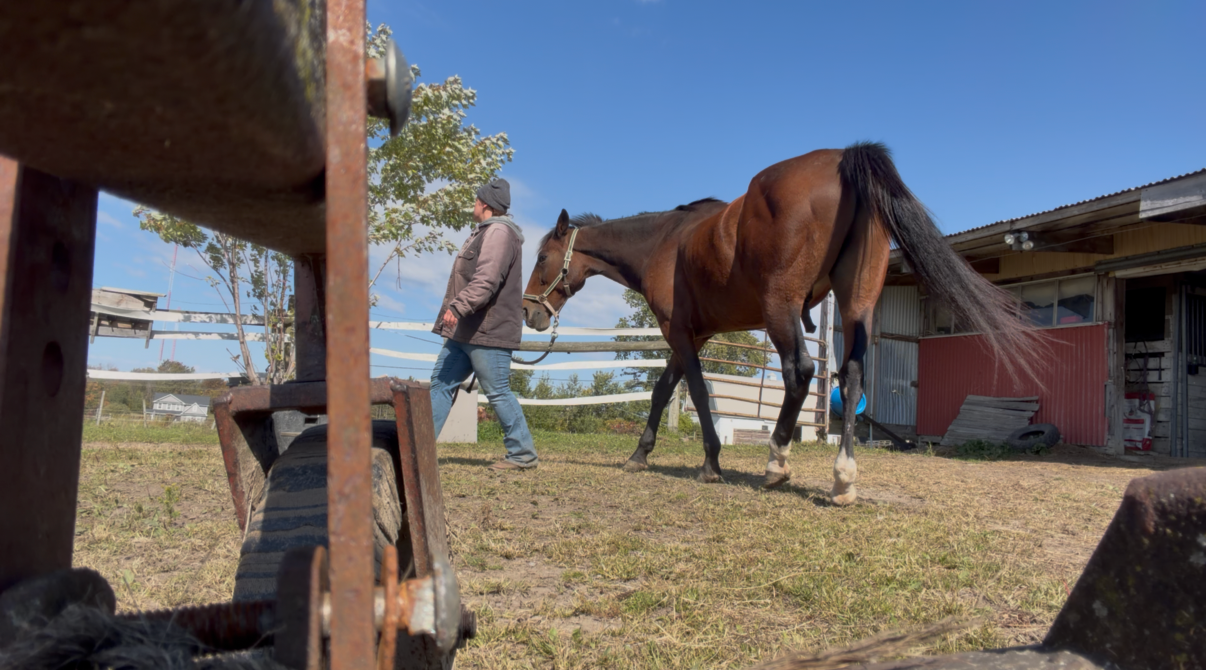
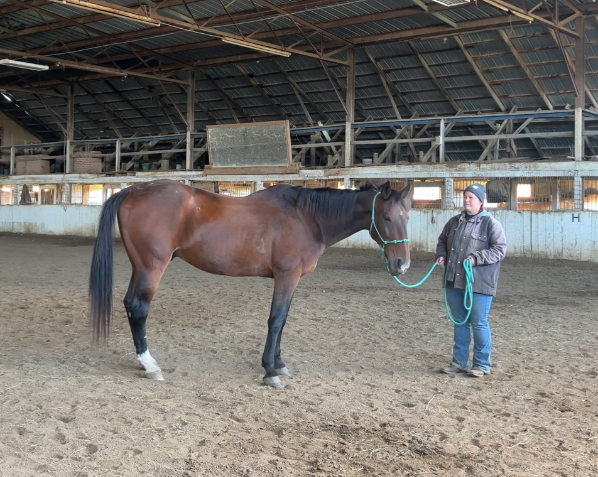
On the day I filmed the session that inspired this post, I didn’t ride Tappy. I was at the barn by myself, and I knew that was not the right setup for us. We can always ride another day.
What We’re Working on Next
For now, Tappy and I are focusing on groundwork, stopping, patience, and standing quietly—including while I’m mounting. I want him to understand that standing still is part of his job, not just something we do for a few seconds before rushing off.
We’ll keep working through the training levels, build confidence gradually, and make sure the tack fits as he develops. I’m not putting a deadline on when he’ll become the trail horse I want. We will progress at a pace that makes sense for both of us.
So, Can a Green Rider Own a Green Horse?
My answer is that it depends on the horse, the rider, the circumstances, and the quality of the help available. Some combinations are simply too risky, even with support, and a steady, experienced horse is usually the better choice for a beginner.
But I don’t think every person who is still learning should be mocked or written off. What’s important is recognizing your limits, getting qualified hands-on help, treating training and health concerns seriously, and putting safety ahead of pride.
Horse people can be tough on each other online. I’ve learned to pay closer attention to people who offer useful, respectful feedback than to people who only want to criticize. I want to keep learning, even when that means admitting I got something wrong.
I’ll keep sharing Tappy’s progress—the good days, the awkward moments, and the lessons along the way. If you’re learning alongside your own horse, I hope you’ll follow our journey.
Have you ever worked with a green horse, or returned to riding after a long break? I’d love to hear what helped you the most.


Post your Comment About This Product