
Introduction
There are a few things that will make a goat owner immediately stop what they are doing.
One of them is seeing a goat scratching like they are absolutely losing their mind.
Maybe they are rubbing their side along the fence. Maybe they keep biting at their coat. Maybe they have bald patches, flakes, scabs, or skin that just does not look right. Or maybe one goat suddenly looks rough while everyone else in the herd seems totally fine.
If you are asking, “Why is my goat scratching so much?” the honest answer is: there are a few possibilities.
Sometimes it is something simple, like seasonal shedding or dry skin. Other times, it is external parasites like lice or mites. It can also be fungus, skin irritation, mineral issues, wet bedding, flies, or a bigger health problem that needs a vet.
The tricky thing is that itchy goat problems can all look kind of similar at first.
So in this post, we are going to walk through the most common causes of scratching in goats, what to look for, and what you can check before you panic.
Important note: This post is for educational purposes only. It is not a substitute for a vet. If your goat is acting sick, losing weight, has open wounds, has severe hair loss, or is not improving, call your livestock vet.
This post may contain affiliate links, and I may earn a small commission at no additional cost to you when you make a purchase.
Is It Normal for Goats to Scratch?
Yes, some scratching is completely normal.
Goats scratch. They rub. They nibble at their coats. They use fence posts, trees, feeders, gates, barn walls, and basically anything else they can find as a personal scratching station.
So if your goat scratches here and there, that does not automatically mean something is wrong.
But constant scratching is different.
If your goat is rubbing over and over, chewing at their skin, losing hair, creating raw spots, or acting uncomfortable, it is time to take a closer look.
A goat that is really itchy may look restless or distracted. They might spend more time rubbing than eating. Their coat may look rough, flaky, patchy, or dull. You might notice dandruff, scabs, bald spots, crusty skin, or even tiny bugs moving through the hair.
That is when scratching goes from “normal goat behavior” to “okay, something is going on here.”
What to Check First
Before you treat anything, you need to actually look at the skin.
Not just the top of the coat.
Part the hair with your fingers and look down close to the skin. Do this in more than one spot because parasites and skin issues are not always spread evenly.
Check areas like:
- Along the back
- Around the neck and shoulders
- Near the base of the tail
- Behind the front legs
- Along the belly
- Inside the thighs
- Around the ears
- Anywhere you see flakes, scabs, or missing hair
You are looking for:
- Tiny bugs moving
- Eggs or nits attached to hairs
- Dandruff or flakes
- Red or irritated skin
- Scabs
- Crusty patches
- Circular bald spots
- Thickened skin
- Raw areas from rubbing
- Hair that pulls out easily
Also pay attention to whether it is one goat or several goats.
If one goat is itchy, it could be something specific to that goat. But if several goats are scratching, you may be dealing with something contagious, environmental, or herd-wide.
Common Reasons Goats Scratch
There is not one single cause of itching in goats.
Some of the most common reasons include:
- Lice
- Mites
- Mange
- Dry skin
- Seasonal shedding
- Ringworm
- Skin irritation
- Allergies
- Mineral deficiencies
- Wet or dirty bedding
- Flies
- Healing wounds
- Stress
- General poor condition
This is why it helps to slow down and look at the whole picture.
Did you recently bring home a new goat?
Did the weather change?
Is the barn damp?
Did you switch bedding?
Did you use a new spray or treatment?
Are they getting loose goat minerals?
Is the goat acting normal otherwise?
Those little details can help you figure out what is most likely.
Goat Lice
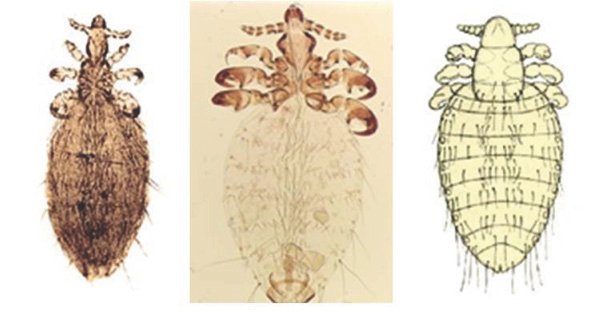
Lice are one of the most common reasons goats get itchy.
And once you have seen a goat with a bad lice problem, you do not forget it.
A goat with lice may scratch, rub, bite at their coat, or look generally uncomfortable. Their hair may look rough, dull, flaky, or messy. Sometimes the coat almost looks dusty or like the goat has been sprinkled with ash.
Signs of lice can include:
- Lots of scratching
- Rubbing on fences or barn walls
- Chewing at the coat
- Dandruff-looking flakes
- Rough hair
- Hair loss
- Tiny bugs moving through the hair
- Eggs attached to hair shafts
- One goat looking much worse than the rest
Lice can spread from goat to goat, so if you find them on one animal, check the whole herd.
This is especially important if you recently brought in a new goat. New animals can bring parasites with them, even if they looked fine at first.
Also- please don’t get too scared with the mention of “lice.” These are different than the lice that humans can get. Lice are species specific, so you cannot get a lice infestation from your goat. Regardless of this, you will need to treat it.
What to Do If You Suspect Lice
Part the hair and look closely at the skin. Check several areas.
If you find lice, use a product that is labeled for goats or recommended by your vet. Follow the directions carefully.
This matters even more if the goat is:
- Pregnant
- Nursing
- Very young
- Sick
- Being milked
- Going into the food chain
Some treatments also need to be repeated because they may kill live lice but not the eggs. If eggs hatch later, the problem can come right back.
You should also clean up the environment. Replace dirty bedding, clean shared equipment, and pay attention to areas where goats sleep and rub.
Mites and Mange
Mites are another common cause of itching, but they can be harder to spot than lice.
With lice, you may be able to see bugs moving through the hair. With mites, you may not see anything at all with your eyes.
Instead, you might notice skin changes.
Signs of mites or mange can include:
- Intense itching
- Hair loss
- Crusty skin
- Scabs
- Redness
- Thickened skin
- Raw areas
- Rubbing constantly
- Skin that looks rough, irritated, or unhealthy
Mange can make goats extremely uncomfortable. Depending on the type of mite, the problem may show up on different parts of the body, including the face, ears, legs, belly, or body.
What to Do If You Suspect Mites
This is one of those times where a vet can really help.
Mites are not always easy to diagnose just by looking. A vet may want to do a skin scraping or recommend a specific treatment.
If your goat has severe itching, crusty skin, thickened skin, open sores, or is not improving, do not keep guessing. Call your vet.
Dry Skin and Dandruff
Not every itchy goat has parasites.
Sometimes goats scratch because their skin is dry.
Dry skin can happen during winter, weather changes, low humidity, poor coat condition, mineral issues, or after using something harsh on the skin.
Signs of dry skin may include:
- Flakes
- Dandruff
- Mild itching
- Dull coat
- Slight hair loss
- Skin that looks dry but not raw or crusty
A little dandruff is not always a huge deal. But heavy flakes, constant scratching, or bald patches deserve a closer look.
The hard part is that lice can also look like dandruff at first glance. So do not assume flakes are “just dry skin” until you part the hair and check carefully.
Seasonal Shedding
Goats can also get itchy when they are shedding.
When they are blowing out an old coat, they may rub on fences, scratch more, and look a little scruffy for a while.
Shedding is usually normal if:
- The goat is eating normally
- The goat is acting normal
- The skin underneath looks healthy
- Hair loss is fairly even
- There are no raw spots
- There are no scabs
- There are no bugs
- The goat is not scratching nonstop
But if your goat has patchy hair loss, flakes, scabs, or irritated skin, do not blame it all on shedding.
Shedding should not make a goat look sick, raw, or miserable.
Ringworm or Fungal Skin Issues
Ringworm is another possibility when goats have hair loss or strange skin patches.
Despite the name, ringworm is not a worm. It is a fungal skin infection.
It can spread between animals, and it can also spread to people, so you want to be careful with it.
Signs of ringworm may include:
- Round or circular bald patches
- Crusty skin
- Scaly skin
- Gray or white crusts
- Redness
- Patches that spread over time
Ringworm may or may not be super itchy, but it is definitely something you want to take seriously.
What to Do If You Suspect Ringworm
Wear gloves when handling the goat. Wash your hands. Keep kids from touching the affected spots.
Do not share brushes, collars, blankets, or other equipment between goats if you suspect ringworm.
If the patches are spreading, multiple animals are affected, or you are not sure what you are looking at, call your vet.
Skin Irritation
Sometimes goats scratch because something irritated their skin.
This can happen from:
- New bedding
- Dusty hay
- Plants
- Burrs
- Soap or shampoo
- Sprays
- Fly products
- Dirty collars
- Wet bedding
- Rough feeders or fencing
- Healing cuts or scrapes
Think about what changed right before the scratching started.
Did you use a new product?
Did you move the goats to a new area?
Did they get into brush?
Did you switch bedding?
Did you spray something in the barn?
Goats are curious and dramatic, so sometimes the answer is as simple as, “They rubbed against something weird,” or “That new bedding is bothering them.”
But if the skin is raw, swollen, scabby, or getting worse, treat it like more than a minor irritation.
Mineral or Nutrition Problems
A goat’s coat can tell you a lot about what is going on.
Mineral and nutrition problems do not usually cause sudden frantic scratching all by themselves, but they can contribute to poor skin and coat health.
Possible signs of mineral or nutrition issues include:
- Rough coat
- Dull coat
- Dry skin
- Flaky skin
- Hair loss
- Faded coat color
- Poor growth
- Poor body condition
- General “not thriving” appearance
Goats need loose minerals made for goats.
This is important.
A mineral block is usually not enough as it doesn’t give the proper dosage to each individual mineral that they need. Also, sheep minerals are not the same as goat minerals because goats need copper and sheep are much more sensitive to copper.
If your goats do not have access to loose goat minerals, that is a good place to start.
Minerals will not magically fix every skin issue, especially if you are dealing with lice, mites, or fungus. But good minerals are part of keeping goats healthy overall.
Wet Bedding or Dirty Living Conditions
Goats need a dry place to live.
Wet bedding, mud, poor ventilation, and damp shelters can all make skin issues worse.
Goats do not like being wet. A damp shelter can lead to stress, dirty coats, skin irritation, and a generally unhealthy environment.
Check your goat area for:
- Wet bedding
- Ammonia smell
- Leaky roof
- Muddy sleeping areas
- Poor airflow
- Overcrowding
- Dirty bedding packed into corners
- Damp hay or old feed
If your goat is itchy and the shelter is damp, fix that first.
Clean out wet bedding. Add fresh dry bedding. Improve airflow. Check for leaks. Make sure everyone has a dry place to lie down.
Sometimes the “treatment” starts with better basics.
Fly Irritation
Flies can make goats miserable, especially in warm weather.
A goat dealing with flies may:
- Twitch their skin
- Stomp
- Rub
- Scratch
- Bite at their legs or belly
- Shake their head
- Act restless
Flies are especially attracted to wet areas, manure, wounds, and dirty bedding.
If flies are part of the problem, focus on:
- Keeping bedding dry
- Managing manure
- Improving ventilation
- Cleaning up wet feed areas
- Protecting wounds
- Using fly traps away from the goats
Do not put baited fly traps right next to your goats or inside their shelter. Those traps attract flies, so you want them away from the animals, not right where they are trying to rest.
When to Call a Vet
Sometimes itchy skin is simple.
And sometimes it is not.
Call a vet if:
- Your goat has open wounds
- The skin is raw or bleeding
- There are large bald patches
- The skin is thick, crusty, or painful
- The goat is losing weight
- The goat is acting sick
- The goat is weak, pale, or off feed
- Several goats are affected
- The itching is severe
- You suspect mange or ringworm
- The problem keeps coming back
- You are not sure what treatment is safe
- The goat is pregnant, nursing, very young, or already sick
It is always better to ask early than wait until a small skin issue turns into a bigger problem.
What to Do If Your Goat Is Itchy
Here is a simple way to approach it.
1. Look Closely
Part the hair and look at the skin. Check more than one area.
Do not just look at the surface and guess.
2. Check the Whole Herd
Even if one goat looks worse, check everyone.
If it is lice, mites, fungus, or something environmental, more than one goat may be affected. Depending on what is going on, and your vet recommendation, treating the whole herd may be necessary as well.
3. Look for Clues
Ask yourself:
- Is it one goat or multiple goats?
- Do I see bugs?
- Are there flakes?
- Are there scabs?
- Is there hair loss?
- Are the patches round?
- Is the skin red or raw?
- Did I bring in a new goat recently?
- Did I change bedding, minerals, feed, or sprays?
- Is the shelter wet or dirty?
This helps narrow down the cause.
4. Improve the Basics
No matter what the cause is, good basic care helps.
Make sure your goats have:
- Dry shelter
- Clean bedding
- Good ventilation
- Loose goat minerals
- Clean water
- Good hay
- A low-stress setup
You cannot out-treat a bad environment.
5. Use the Right Treatment
This is where goat owners can get into trouble.
Lice, mites, fungus, wounds, dry skin, and mineral issues are not all treated the same way.
Do not throw random products at the goat and hope something works.
If you are using a spray, pour-on, powder, medication, or topical treatment, make sure it is safe for goats and follow the label. If the goat is being milked, pregnant, nursing, or used for meat, ask your vet about withdrawal times.
6. Recheck
After you treat or make changes, keep checking.
Look for:
- Less scratching
- Healthier skin
- New hair growth
- Fewer flakes
- Less rubbing
- No new bald patches
- A more comfortable goat
If the problem gets worse or does not improve, call your vet.
Can One Goat Be Itchy While the Others Are Fine?
Yes.
One goat can absolutely look much worse than the rest.
This can happen if that goat is younger, stressed, new to the herd, nursing, sick, or just more sensitive. Sometimes one goat is the first one to show obvious signs, while the others are not as bad yet.
But if one goat has lice, mites, or a contagious skin issue, you still need to check the whole herd.
Do not assume everyone else is fine until you actually look.
How to Help Prevent Itchy Goat Problems
You cannot prevent every skin issue, but you can reduce the chances.
A few good habits help a lot:
- Quarantine new goats before adding them to the herd
- Check new goats carefully for lice, mites, and hair loss
- Keep bedding dry
- Clean out wet areas
- Improve ventilation
- Avoid overcrowding
- Offer loose goat minerals
- Keep water and feeders clean
- Watch body condition
- Check coats regularly
- Clean shared equipment
- Treat problems early
- Keep a goat first aid kit ready
- Have a livestock vet contact before you need one
Goat care is mostly about noticing things early.
The sooner you catch a skin problem, the easier it usually is to handle.
Beginner Goat Medicine Cabinet Items for Skin Issues
It helps to have basic supplies ready before you need them.
For itchy skin, rubbing, hair loss, or minor wounds, useful supplies may include:
- Digital thermometer
- Gloves
- Vet wrap
- Clean towels
- Flashlight
- Fine-tooth comb
- Notebook for health notes
- Wound spray or livestock-safe antiseptic
- Salve recommended for livestock
- Syringes
- Electrolytes
- Loose goat minerals
- Vet contact information
Do not stock random medications unless you know what they are for and how to use them.
A goat medicine cabinet is helpful, but it should not replace a vet when something is serious.
Conclusion
If your goat is scratching like crazy, do not ignore it.
A little scratching is normal. Constant rubbing, chewing, bald patches, flakes, scabs, or raw skin usually means something is going on.
The most common causes include lice, mites, dry skin, shedding, ringworm, irritation, mineral issues, wet bedding, and flies.
Start by looking closely. Part the hair. Check the skin. Look for bugs, flakes, scabs, bald patches, and redness. Then think through what has changed recently in your setup, bedding, feed, minerals, shelter, weather, or herd.
Goats can be dramatic, but they are also pretty good at showing us when something is off.
The faster you notice the problem, the faster you can help your goat feel better.


Post your Comment About This Product