
Introduction
When we first bought our house, it came with a few acres, an empty barn, and a whole lot of possibilities.
Naturally, my kids saw that empty barn and immediately decided it needed goats.
I, on the other hand, said absolutely not.
Goats felt like a big step. I had questions about fencing, feed, shelter, vet care, and whether or not I was about to accidentally turn my quiet little homestead dream into complete chaos.
But eventually, I caved.
I surprised the kids with goats, and just like that, we became goat people.
And honestly? Goats are one of those homestead animals that look simple from the outside. They are cute, funny, social, and a little addicting. Once you get a few, it is very easy to understand why people start with two and somehow end up planning an entire herd.
But goats are also not “easy lawnmowers.”
They need strong fencing, safe shelter, proper minerals, parasite management, and daily care. They are smart, curious, dramatic, and very good at finding the one weak spot in your setup.
This post is going to walk you through the things I have learned along the way — the practical stuff, the mistakes, the must-haves, and the things I wish I knew before bringing goats home.
If you are thinking about getting goats for your homestead, backyard farm, milk, pets, brush clearing, or future breeding program, this beginner goat guide will help you feel a lot more prepared before your first goats ever step foot on your property.
Are Goats Good for Beginners?
Goats can be great for beginners, but they are not the best animal to “figure out as you go” with no setup.
A good beginner goat owner is someone who is willing to learn, observe their animals daily, and build a safe space before the goats arrive.

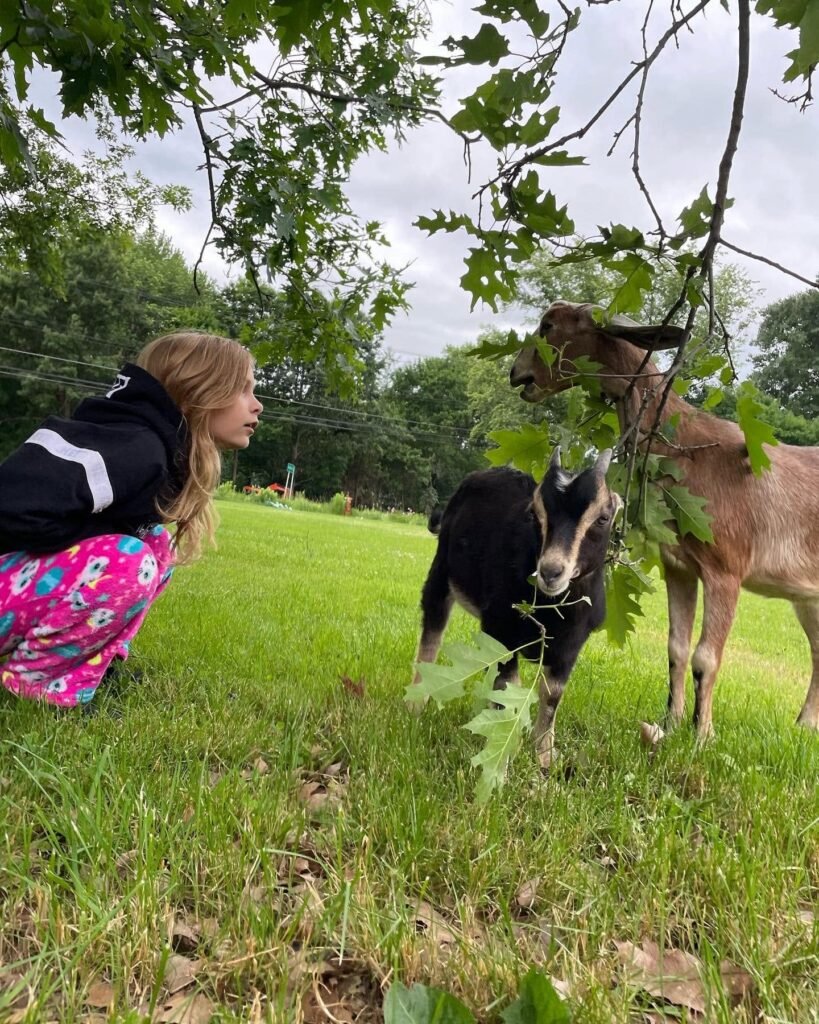
Goats are usually friendly and manageable, especially if they are handled often. Many goats love attention, scratches, treats, and people. But they are also herd animals, which means they need other goats. A single goat will usually become stressed, loud, lonely, and harder to manage.
So yes, goats can be beginner-friendly, but only if you prepare first.
The biggest beginner mistakes usually come from weak fencing, poor parasite management, not feeding minerals, or buying goats before having a proper setup ready.
What Are Goats Used For?
Before getting goats, it helps to know why you want them.
Different goals may lead you toward different breeds, setups, and management choices.
Common reasons people get goats include:
- Pets
- Milk
- Brush clearing
- Meat
- Breeding
- 4-H or farm projects
- Goat yoga or farm events
- Homestead education for kids
- Weed control or goatscaping
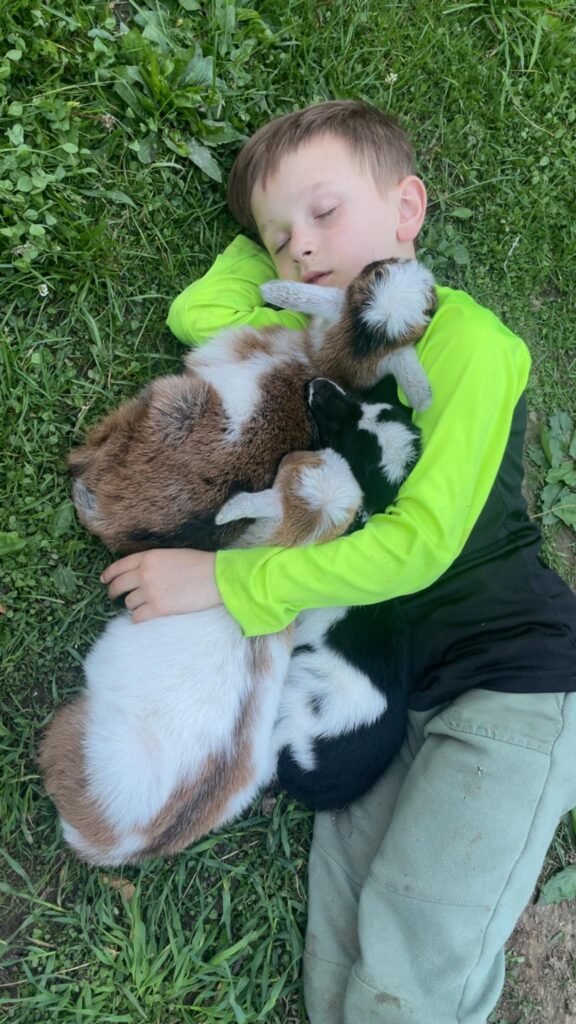
A goat that is perfect for a pet home may not be the best choice for a milk program. A tiny Nigerian Dwarf may be easier to handle than a large dairy goat, but a larger dairy breed may produce more milk. A wether can make a wonderful pet or brush-clearing goat, but he will not give you milk or kids.
Start with your goal first, then choose goats that match that goal.
Best Goat Breeds for Beginners
There is no single “best” goat breed for every beginner. The best breed depends on your space, experience level, and purpose. Do you want goats for meat, milk, or companionship? What you want will determine what you should get.
Nigerian Dwarf Goats
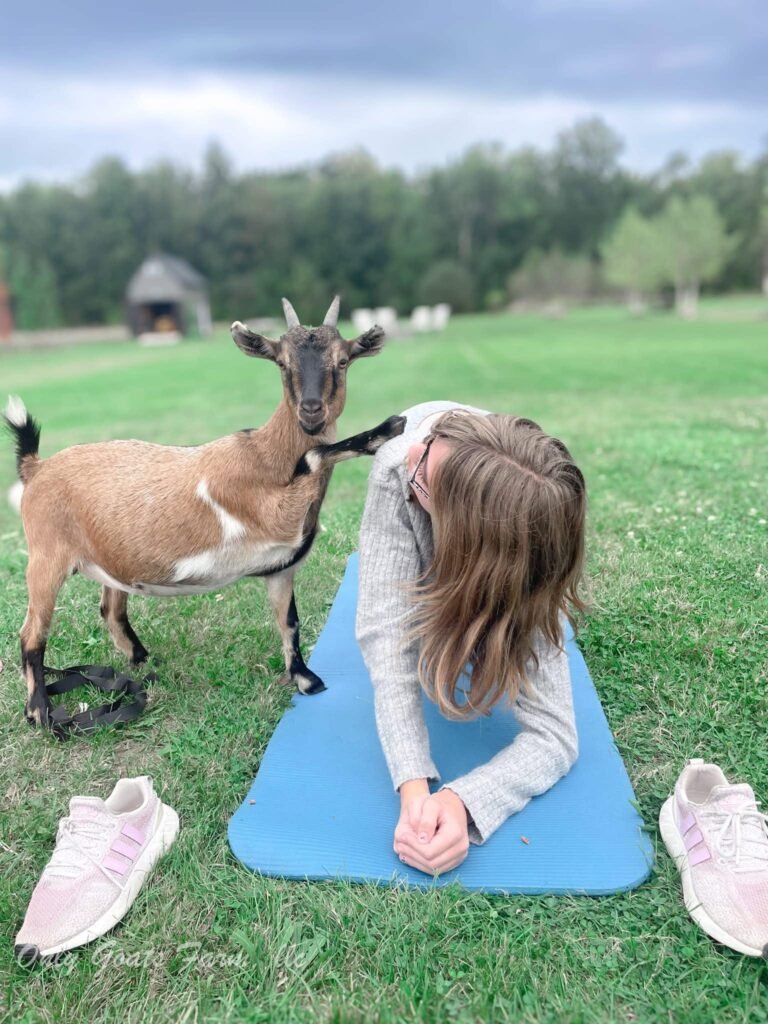
Nigerian Dwarf goats are popular for small homesteads because they are smaller, cute, and easier to physically manage than large dairy goats. They can also produce rich milk for their size.
They are a good option for people who want pets, small dairy goats, or family-friendly goats.
Mini Dairy Goats
Mini Nubians, mini Alpines, mini Lamanchas, and other mini dairy crosses can be a nice middle ground. They are often larger than Nigerian Dwarfs but smaller than full-size dairy goats.
They can be good for families who want milk but do not necessarily want a full-size dairy goat.
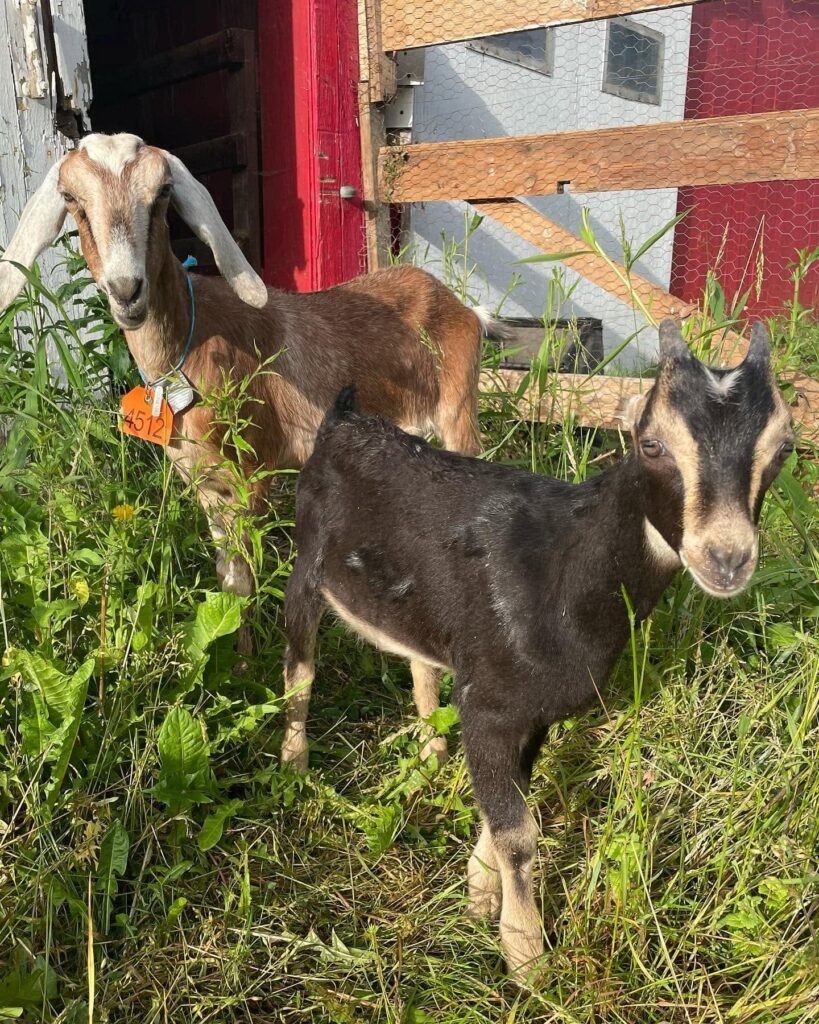
Nubians
Nubians are known for their long ears, loud voices, and friendly personalities. They can be wonderful milk goats, but they are bigger and can be very vocal.
They may be a great fit if you have more space and want a dairy goat with personality.
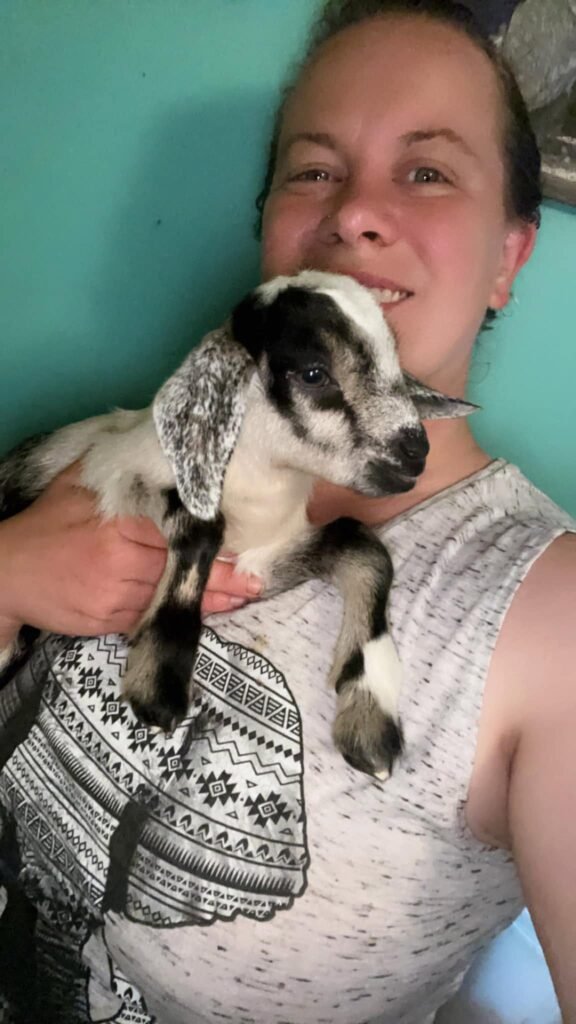
Alpine, Saanen, and Other Full-Size Dairy Goats
Full-size dairy goats can produce a lot of milk, but they require more space, stronger fencing, more feed, and more handling confidence.
They are not impossible for beginners, but you should be prepared for their size and needs.
Wethers
A wether is a castrated male goat. Wethers are often great beginner goats because they are usually cheaper than does and do not come with the management challenges of breeding, kidding, or milking.
They are commonly used as pets, companion animals, brush goats, and pack goats.
How Many Goats Should You Start With?
Start with at least two goats.
Goats are herd animals. They need another goat friend to feel safe and settled. A goat kept alone may cry constantly, try to escape, become anxious, or bond too strongly to people in a way that becomes difficult.
For most beginners, two or three goats is a good starting number.
Two goats gives them companionship. Three goats can sometimes make herd dynamics easier because if one goat is pushy, the other two still have company. But do not start with a large herd until you understand daily goat care, fencing, feeding, and health needs.
A good beginner setup might be:
- Two wethers as pets or brush goats
- Two Nigerian Dwarf does
- One doe and one wether companion
- Three young goats from a reputable farm
Avoid starting with an intact buck unless you already understand goat breeding, fencing, and buck management. Bucks can be useful, but they are usually not ideal for brand-new goat owners.
Goat Fencing Basics
Fencing is one of the most important parts of keeping goats.
Goats are smart, curious, and surprisingly determined. If your fence has a weak spot, they will find it. If your gate latch is easy to open, they may figure it out. If your fence is too low, they may climb or jump it.
Good goat fencing options include:
- Woven wire fencing
- Cattle panels
- No-climb horse fence
- Strong electric netting
- Electric wire added to existing fencing
For permanent areas, woven wire or no-climb fencing is often a strong choice. Cattle panels can work well for pens, kidding areas, and smaller spaces. Electric netting can be useful for rotational grazing or brush clearing, but goats need to be trained to it and it must stay properly charged.
Do not rely on weak garden fencing, loose pallets, flimsy chicken wire, or decorative fencing.
Goats can get caught, climb out, push through, or break poorly built fences.
A good fence should be tight, sturdy, and safe. Check for gaps where small goats could squeeze through and places where horns could get stuck.
Goat Shelter Basics
Goats do not need a fancy barn, but they do need shelter.
At minimum, goats need a dry, draft-protected place to get out of rain, snow, wind, and extreme weather. They hate being wet and can become stressed if they do not have a dry place to rest.
A basic goat shelter should include:
- A dry roof
- Good ventilation
- Protection from wind and rain
- Dry bedding
- Enough room for all goats to lie down
- A secure door or gate
- No sharp edges, exposed nails, or unsafe gaps
The shelter does not need to be huge, but overcrowding can lead to stress, fighting, parasite issues, and dirty bedding.
In winter, goats usually handle cold better than wet drafts. Good ventilation matters because a tightly sealed shelter can trap moisture and ammonia. You want fresh air without cold wind blowing directly on them.
Deep bedding can help keep goats comfortable in cold weather, but it still needs to be managed so it does not become wet, smelly, or unhealthy.
What Do Goats Eat?
One of the biggest goat myths is that goats eat anything.
Goats are browsers, not garbage disposals.
They prefer leaves, brush, weeds, vines, bark, and woody plants more than short grass. They may nibble many things, but that does not mean everything is safe or nutritious for them.
A basic goat diet usually includes:
- Good quality hay
- Browse or pasture if available
- Loose goat minerals
- Clean water
- Grain only when needed
Hay is the foundation for most goats, especially when browse or pasture is limited. Grass hay or mixed grass hay works for many goats. Alfalfa may be useful for growing kids, pregnant does, or milk goats, but the right hay depends on your goats and your management.
Grain is not always necessary. Many pet wethers and dry does do not need grain if they have good hay and minerals. Milking does, growing kids, and late-pregnancy does may need extra nutrition.
Too much grain can cause digestive problems, so do not feed grain just because goats like it.
Also, be careful with toxic plants. Goats may avoid many unsafe plants, but they can still get into trouble, especially if they are hungry or trapped in an area with limited options.
Minerals, Baking Soda, and Water
Goats need loose minerals made for goats.
This is one of the most important beginner tips.
Do not rely only on a mineral block. Goats have soft tongues and usually cannot consume enough from a hard block. Loose minerals are easier for them to eat as needed.
Goat minerals help support overall health, reproduction, coat condition, immune function, and growth. Make sure the minerals are labeled for goats, not just sheep and goats, because sheep minerals usually do not contain enough copper for goats.
Clean water should be available at all times.
Goats can be picky about dirty water, and they may drink less if the bucket is gross. In winter, make sure water is not frozen. In summer, keep it clean and fresh.
Some goat owners also offer baking soda free-choice to support rumen health, especially when goats are eating grain. Not every farm manages this the same way, but it is common in many goat setups.
Basic Goat Health Care
Goat health care can feel overwhelming at first, but beginners should learn a few basics before bringing goats home.
Important goat health skills include:
- Checking eyelid color for anemia
- Watching body condition
- Trimming hooves
- Knowing normal goat behavior
- Monitoring poop consistency
- Checking for coughing, limping, swelling, or isolation
- Understanding parasite risk
- Having a farm vet contact before an emergency
Parasites are one of the biggest health concerns for goats, especially in warm, wet areas. A goat can look fine one week and go downhill quickly if parasites are not managed.
Do not deworm randomly on a constant schedule without understanding what you are treating. Overuse of dewormers can contribute to resistance. Many goat owners use tools like FAMACHA checks, fecal testing, and targeted treatment to manage parasites more responsibly.
Hoof trimming is another basic skill. Some goats need trimming often, while others wear their hooves down naturally depending on the ground they live on. Overgrown hooves can cause pain and lameness.
You should also find a livestock vet before you need one. Not every vet treats goats, so it is better to know who to call before you have a sick animal.
How Much Do Goats Cost?
The purchase price of the goat is only one part of the cost.
Beginner goat expenses may include:
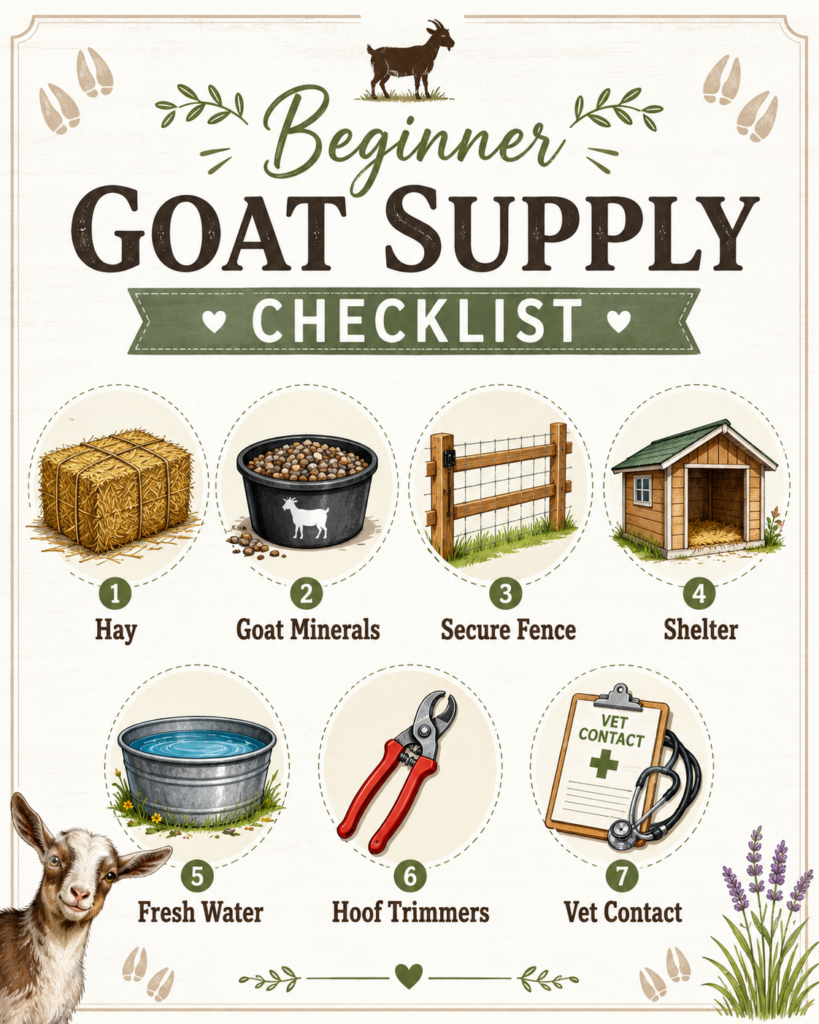
- The goats
- Fencing
- Shelter materials
- Hay feeders
- Water buckets
- Minerals
- Hay
- Bedding
- Hoof trimmers
- Medical supplies
- Vet care
- Dewormers or fecal testing
- Grain if needed
- Transport crates or trailer setup
A cheap goat is not always cheap in the long run.
Sometimes a low-priced goat comes with health problems, parasite issues, poor genetics, or no handling. That does not mean every affordable goat is bad, but beginners should be careful.
It is often better to buy healthy goats from a reputable farm than to buy the cheapest goats you can find.
Ask the seller questions like:
- How old are they?
- Are they handled?
- What are they eating now?
- Have they been disbudded or do they have horns?
- Are they up to date on herd health care?
- Have they had recent parasite issues?
- Are they tested for common herd diseases?
- Why are they being sold?
You do not need the fanciest goats, but you do want healthy goats from someone honest.
Things I Wish Beginners Knew Before Getting Goats
Goats are fun, but they are not effortless.
Here are some things beginners should know:
Goats Need Better Fencing Than You Think
If you are wondering whether your fence is strong enough, assume it probably needs improvement.
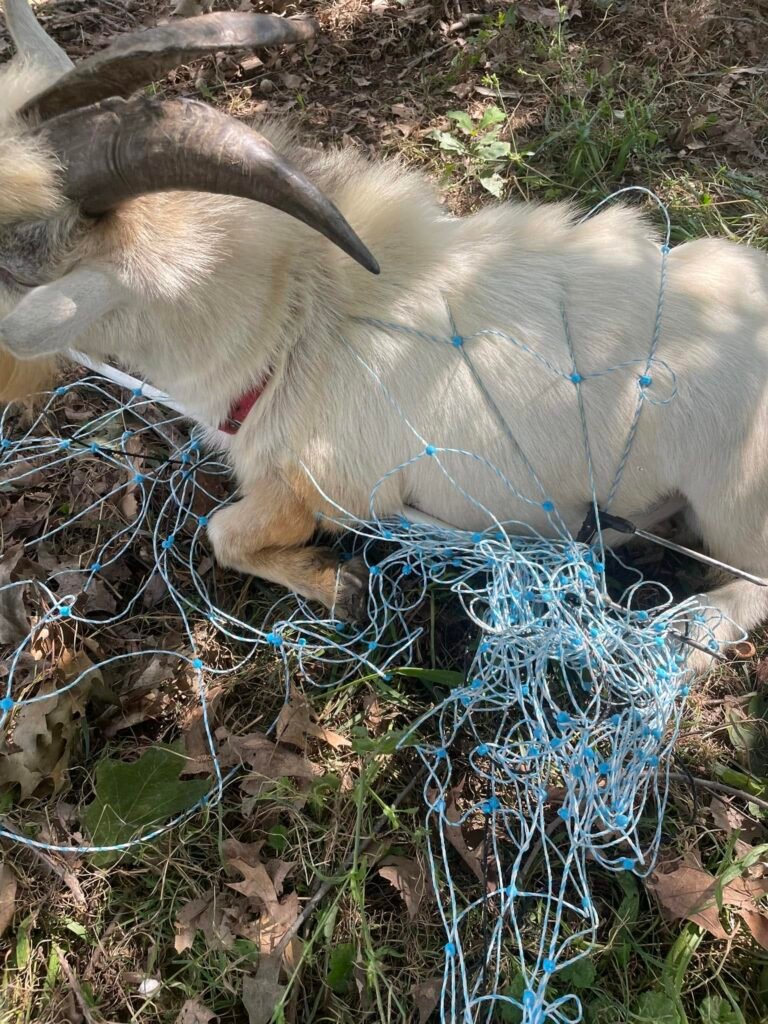
The following image contains a buck in rut…viewer discretion is advised…
No, but seriously, we have definitely learned hard lessons the hard way. Not all fencing works for all goats. What works for you, might not work for someone else. We had one particular buck who was VILE. He would tear down fencing, head butt doors and walls until they broke, he literally destroyed EVERYTHING (Note- I said we HAD a goat like this, we no longer have him, and I think it’s obvious why).
We learned the hard way that electric goat netting did NOT work for him.
Other goats may do well in this, all of my other goats do fine with electric netting (I don’t recommend it for babies).
If you have a large area and want to fence it in on a budget, you might even look into virtual fencing.
Check out this guide for different fencing options.
Goats Are Loud When They Want Something
Some goats are quiet. Others announce every feeling they have. Hunger, loneliness, heat cycles, boredom, and seeing people can all lead to yelling.
I have personally noticed that my nubians and nubian crosses tend to be the loudest, but they make up for it with their cute little floppy ears and amazing milk.
Goats Waste Hay
No matter how carefully you feed hay, goats will waste some. A good hay feeder helps, but hay waste is part of goat life. If you want to keep that waste down, these DIY goat hay feeder ideas are designed with that problem in mind.
Goats Need Daily Observation
You do not have to hover over them all day, but you should look at your goats closely every day. Appetite, attitude, poop, walking, and herd behavior can tell you a lot.
They will get stuck in things. They will find themselves places you would prefer them not to go. For example, I have one goat that if she is able to, she will climb to the top of the hay elevator and jump off (ummm hello heart attack). Last year, we were moving the elevator to the back of the property and while it wasn’t connected to the barn, she started a new game. All of the goats climbed to the top of the elevator until it moved like a teeter-totter, and they would run from top to bottom playing their new game. I’ve had goats get their heads stuck in buckets, fences, and empty chicken feeders they found in the storage area.
Check your goats, especially while you’re learning about owning goats and about their own personalities.
Goats Are Addicting
Most people start with two and quickly start planning for more. Build your setup with room to expand if you think goats may become a long-term part of your homestead.
But don’t get more than you plan on getting…you don’t need every goat you see on Facebook, Craigslist, or your auction. Make a plan and commit to it. There are way too many people out there who are just hoarding animals like it’s their mission. This has become a real problem.
Milking Goats Are a Bigger Commitment
Milk goats are wonderful, but they tie you to a schedule. If you want dairy goats, make sure you understand breeding, kidding, milking, milk handling, and daily chores.
Baby Goats Grow Fast
Tiny kids can squeeze through gaps you thought were safe. They also climb, jump, and get into things. Kid-proof your setup before bringing them home.
Beginner Goat Supply Checklist
Before you bring goats home, try to have these basics ready:
- Secure fencing
- Safe shelter
- Hay feeder
- Water buckets
- Loose goat minerals
- Hay
- Bedding
- Hoof trimmers
- Basic first aid supplies
- Collar or lead
- Feed storage container
- Vet contact
- Quarantine area if adding goats to an existing herd
If you are getting kids, you may also need smaller feeders, safer fencing gaps, and a kid-safe shelter setup.
If you are getting milk goats, you will need milking supplies, a stanchion, udder care products, and a clean milk handling routine.
You may want to create a fun little playground for them to use, too. Here are some ideas for playground DIY ideas, or check out the DIY goat toys!
Check out this video, and I’ll show you what I keep on hand!
Should You Get Goats?
You should get goats if you are excited to care for them, willing to build strong fencing, ready to learn basic health care, and prepared for daily chores.
You may want to wait if you do not have fencing yet, do not have shelter, are not sure whether goats are allowed where you live, or are only getting them because you heard they are easy lawnmowers.
Goats are amazing animals, but they do best with owners who are prepared.
Start small. Learn your goats. Build a safe setup. Keep good minerals available. Watch their health. Find a vet. And do not be surprised when two goats somehow turn into a whole goat herd.
Conclusion
Getting goats can be one of the most rewarding parts of starting a homestead.
They are funny, useful, social, and full of personality. They can provide milk, help clear brush, teach kids responsibility, and bring a lot of joy to your farm.
But goats also need real care. They need good fencing, dry shelter, proper minerals, safe feed, parasite management, and daily attention.
If you prepare before bringing them home, your first goats will be much easier to enjoy.
Start with a small herd, choose healthy goats, build your setup first, and keep learning as you go.
Your future goats will thank you.


Post your Comment About This Product